



Why Is Everyone Talking About Fibre?
For years, protein was the star of the nutrition world. But now, fibre is taking centre stage, and for good reason. Dietary fibre, the indigestible part of plants, is crucial for our overall health. It comes in two forms: soluble, which dissolves in water
to form a gel, and insoluble, which adds bulk. Together, they are a powerhouse for the body. A high-fibre diet aids digestion, prevents constipation, and helps maintain a healthy gut microbiome by feeding beneficial bacteria. Beyond digestion, it plays a key role in managing weight by promoting a feeling of fullness, regulating blood sugar levels, and even lowering cholesterol.
The Millet Renaissance
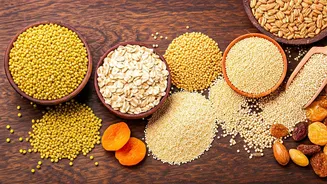
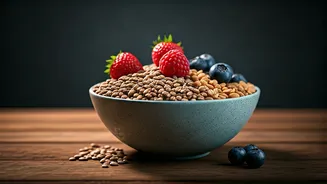
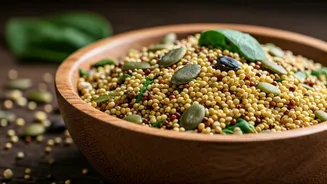
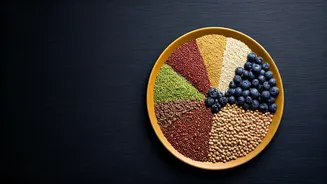
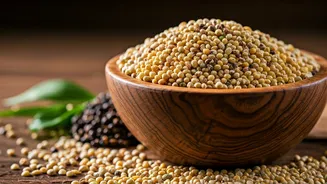
Once humble staples, millets are now celebrated as superfoods. Grains like jowar (sorghum), bajra (pearl millet), and ragi (finger millet) are making a huge comeback. Naturally gluten-free and packed with insoluble fibre, they are becoming a preferred alternative to refined grains like white rice and maida. Their low glycemic index ensures a slow release of energy, preventing sugar spikes and keeping you fuller for longer. This shift is supported by the availability of millets in modern, convenient forms, from ready-to-cook dosa mixes to snacks, making it easier for urban consumers to incorporate them into their busy lives.
The Unsung Heroes: Pulses and Legumes
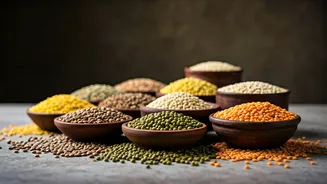
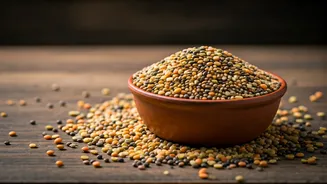
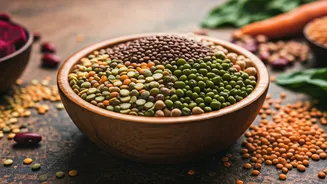
The foundation of countless Indian meals, dals, pulses, and legumes are finally getting the recognition they deserve as fibre giants. Lentils like moong and masoor, and legumes like chickpeas (chana) and kidney beans (rajma) are rich in both fibre and protein. They act as prebiotics, nourishing the good bacteria in your gut and contributing to a healthy digestive system. The versatility of these ingredients allows them to be used in everything from classic dal tadka and chana masala to salads and sprouts, making them an easy and delicious way to boost your daily fibre intake.
Embracing Whole Grains
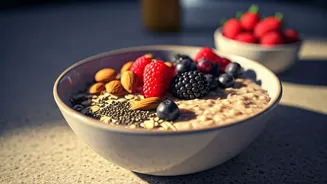
The trend also involves a conscious move away from refined carbohydrates towards their whole, unprocessed counterparts. Simple swaps like choosing whole wheat atta over maida, or brown rice instead of white rice, can significantly increase the fibre content of a meal. Traditional Indian breads like bhakri, made from millets like jowar or bajra, are also gaining popularity over refined flour-based breads. This return to whole grains respects traditional eating patterns while providing the sustained energy and digestive benefits that are often lost in modern, processed foods.
Fruits and Vegetables: The Fibre Staples
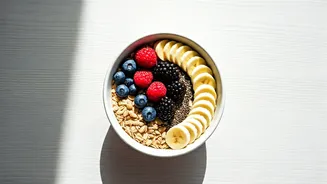
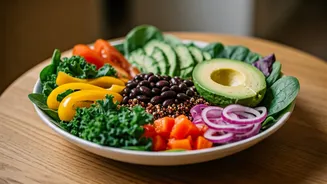
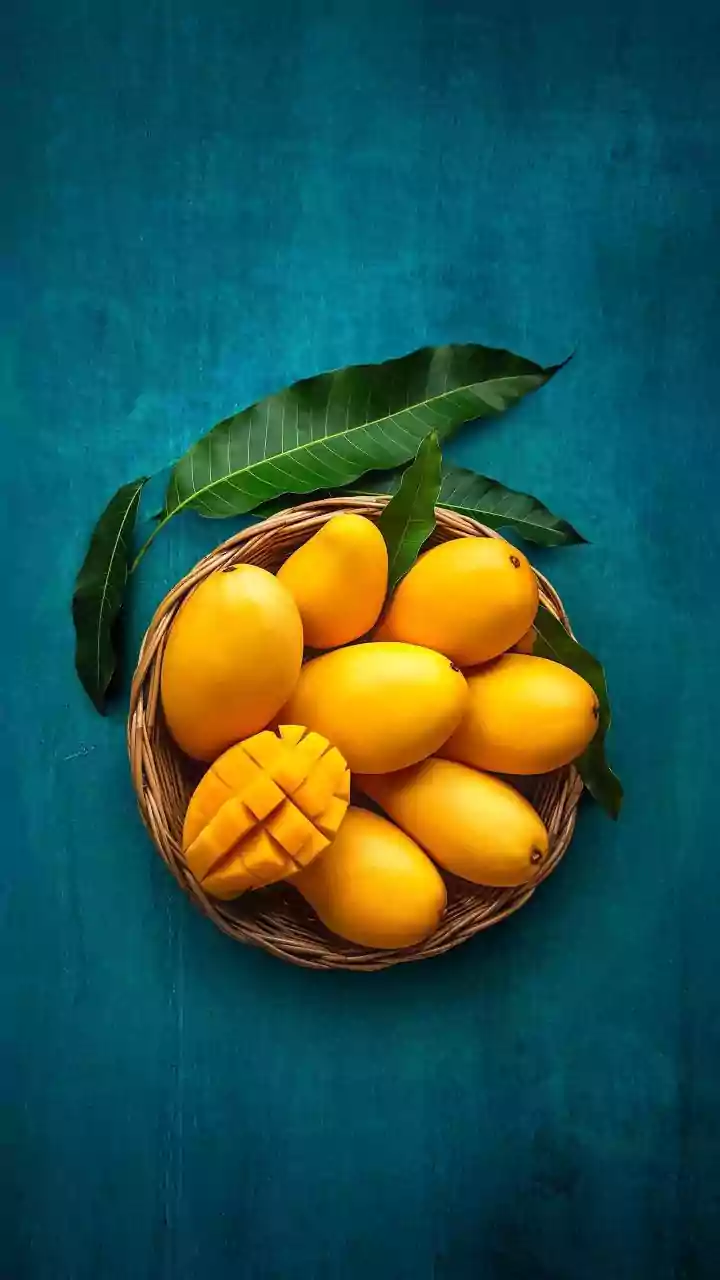
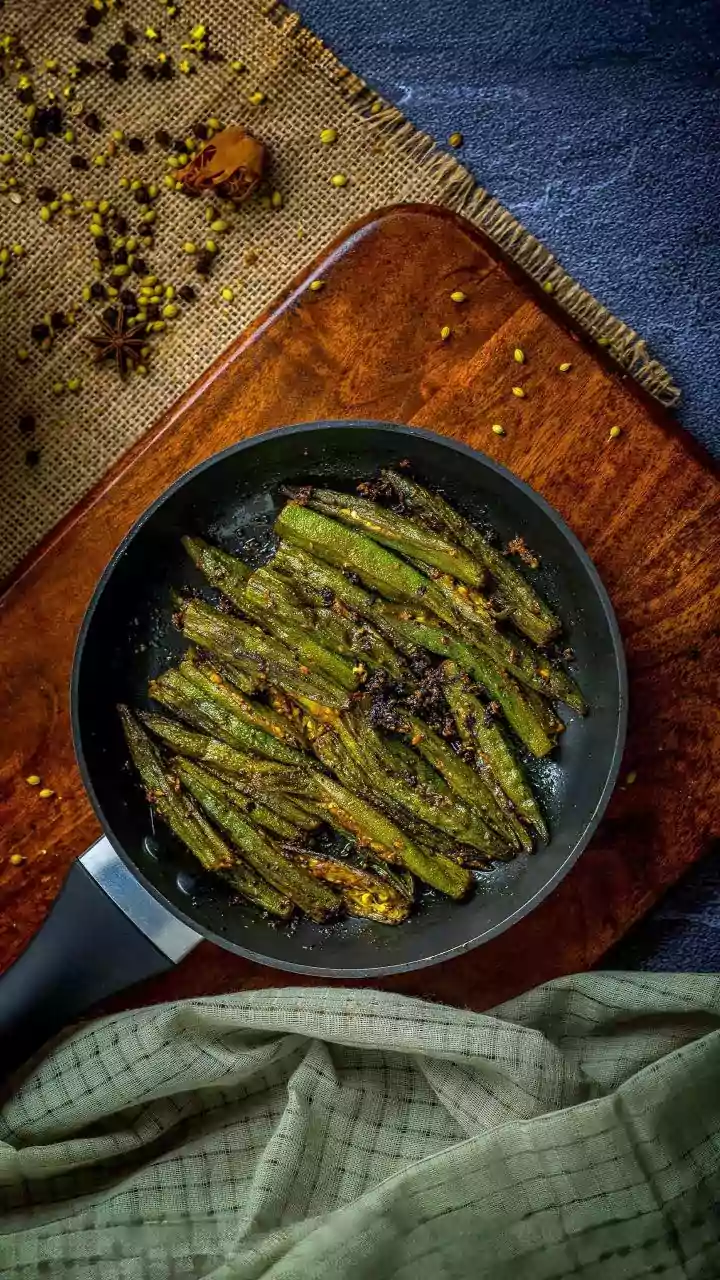
Of course, no discussion about fibre is complete without vegetables and fruits. Traditional Indian cuisine excels at incorporating a wide variety of produce. Leafy greens like spinach and methi, and vegetables like okra (bhindi) and bottle gourd (lauki) are excellent sources of fibre. Fruits, especially those eaten with their skin like apples and guavas, provide both soluble and insoluble fibre along with essential vitamins. The advice is simple: fill half your plate with vegetables at every meal and snack on whole fruits to effortlessly meet your fibre goals.