





The Hidden Costs of Convenience
That colourful, foil-wrapped bar in your bag might promise protein, fibre, and a quick energy boost, but its ingredient list often tells a different story. Many mass-market 'health' or 'energy' bars are highly processed foods disguised as virtuous snacks.
They can be laden with various forms of refined sugar, such as high-fructose corn syrup, which deliver a rapid spike in blood sugar followed by an inevitable crash. Beyond the sugar, you might find a cocktail of artificial sweeteners, preservatives, soy protein isolates, and palm oil. While they offer convenience, the nutritional return is often minimal. They fill a gap, but they don't truly nourish. Over time, a diet high in these ultra-processed products can contribute to inflammation and other metabolic issues, leaving you feeling tired and reaching for another quick fix.
The Wholesome Power of Gur
Enter jaggery, or 'gur', the unrefined block of culinary gold that has been a staple in Indian households for generations. Unlike white sugar, which is stripped of all nutrients during processing, jaggery retains the natural goodness of sugarcane juice or palm sap. It is a powerhouse of essential minerals, including iron, which is vital for haemoglobin production and fighting fatigue; magnesium, which supports muscle and nerve function; and potassium, which helps regulate blood pressure. Jaggery also contains antioxidants that help combat oxidative stress in the body. Its complex carbohydrates provide a slower, more sustained release of energy compared to the sharp peak and valley from refined sugars. This means you get the sweetness you crave without the dramatic energy slump, making it a far superior choice for a midday pick-me-up.
A Sweet but Balanced Choice
While jaggery is nutritionally superior to its processed counterparts, it's important to approach it with a balanced perspective. At its core, jaggery is still a form of sugar, primarily composed of sucrose. Therefore, moderation is key. The goal isn't to consume unlimited amounts of jaggery but to use it as a strategic replacement for refined sugars and synthetic snacks. A small piece of gur can satisfy a sweet craving effectively while providing bonus minerals that a spoonful of white sugar or a processed candy bar simply cannot. Think of it as a 'whole food' sweetener. By choosing jaggery, you are opting for a food that is closer to its natural state, which is a fundamental principle of healthy eating. It's not a 'free pass' to eat sugar, but a smarter, more mindful way to include sweetness in your diet.
Simple Ways to Make the Swap
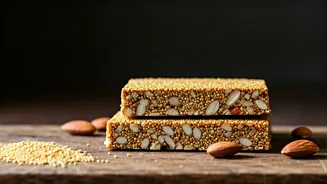
Integrating jaggery into your daily routine is easier than you think and requires no complicated recipes. The simplest swap is to replace your go-to energy bar with a small piece of jaggery paired with a handful of roasted chana (chickpeas) or peanuts. This classic combination delivers a perfect mix of carbohydrates, protein, and healthy fats for sustained energy. Feeling a sweet craving after a meal? A small bite of jaggery can act as a delicious and digestive-aiding dessert. You can also grate or melt it into your morning oatmeal, tea, or coffee as a replacement for sugar. For those who enjoy cooking, jaggery can be used to make homemade energy balls (ladoos) with nuts, seeds, and whole-grain flour, giving you complete control over the ingredients and ensuring your snack is genuinely healthy.