



The Importance of Airflow
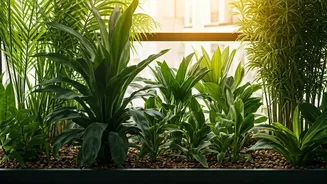
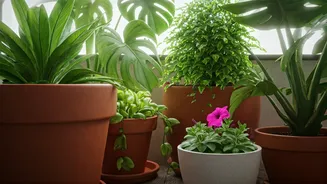
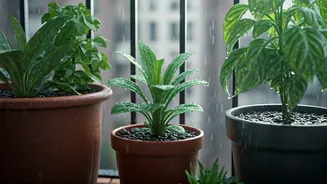
Plants, much like people, need personal space. When containers are crammed together, air circulation around the foliage becomes stagnant. This creates a humid microclimate that is a perfect breeding ground for fungal diseases like powdery mildew. Proper
spacing allows air to move freely, drying leaves more quickly after watering or rain and significantly reducing the risk of disease. Good airflow also helps plants exchange gases more efficiently, taking in the carbon dioxide they need for photosynthesis and strengthening their stems as they gently move in the breeze. A well-ventilated balcony garden is a healthier, more resilient one.
Sunlight and Unfair Competition
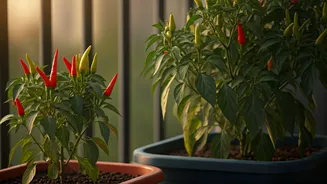
In any garden, plants compete for resources, and on a balcony, that competition can be fierce. When plants are packed too tightly, their leaves overlap and block sunlight from reaching lower or less aggressive neighbours. This can lead to stunted growth, yellowing leaves, and a general failure to thrive for the plants that lose the battle for light. Before planting, it's wise to understand the specific sunlight needs of each plant. By providing adequate space, you ensure that each plant receives the light it needs to flourish, resulting in more balanced and robust growth across your entire collection.
The Trouble with Crowded Roots
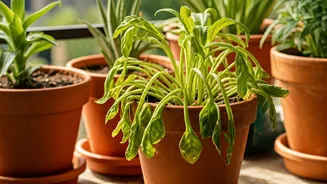
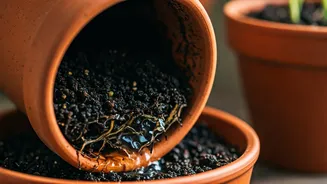
What happens above the soil is often a reflection of what's happening below. When a pot is too small or contains too many plants, the roots have nowhere to go. They begin to circle the inside of the container, eventually forming a dense, tangled mass. This condition is known as being 'root-bound' or 'pot-bound'. A root-bound plant struggles to absorb water and nutrients efficiently because the roots have displaced most of the soil. This leads to a plant that dries out quickly, wilts even with regular watering, and shows stunted growth. There is simply not enough soil left to hold the moisture the plant needs.
Choosing the Right Containers
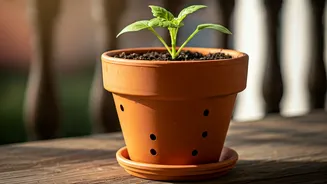
Giving plants room to breathe starts with choosing the right container. A pot that is too small will inevitably lead to a root-bound plant, restricting its development. As a general rule, a new pot should be about twice the diameter of the plant's current root ball to allow for healthy growth. However, a container that is too large can also cause problems. Excess soil can retain too much moisture, creating the perfect conditions for root rot, especially for smaller or slow-growing plants. The key is to match the pot size to the plant's mature size and root system, ensuring it has adequate drainage holes to let excess water escape.
Smart Spacing Strategies
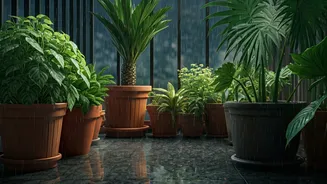
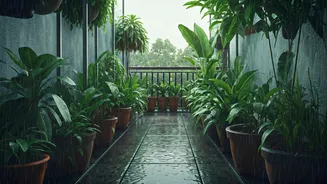
Creating a beautiful and healthy balcony garden isn’t about filling every inch of space, but about thoughtful arrangement. Start by leaving a few inches between each container to ensure good airflow. Consider the mature size of your plants, not their size when you first buy them. Group plants with similar water and light needs together to make care easier. Think vertically by using railing planters, hanging baskets, and shelving to draw the eye upward and save precious floor space. Most importantly, ensure your layout leaves a clear path for you to move, water, and enjoy the space. A balcony that is difficult to use is difficult to maintain.