






What Is This Trending Morning Drink?
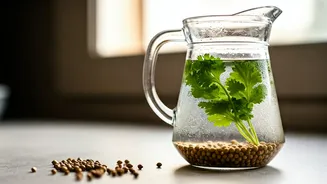
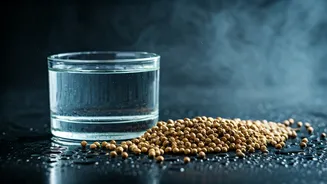
At its core, coriander water is exactly what it sounds like—an infusion made by soaking coriander seeds (sabut dhania) in water. This simple concoction, often consumed first thing in the morning on an empty stomach, is being hailed across social media
and wellness circles as a natural solution for digestive discomfort, particularly bloating and gas. While it may seem like a new wellness 'hack', its roots are deeply embedded in traditional Indian practices, especially Ayurveda, where it has been used for centuries to support digestive health and overall well-being. The renewed interest is driven by a collective shift towards natural, kitchen-based remedies that are both accessible and affordable.
The Ayurvedic Perspective on Dhania
In Ayurveda, coriander is revered for its cooling properties (sheeta virya) and its ability to balance all three doshas (Vata, Pitta, and Kapha), particularly Pitta. It is classified as a 'deepaniya' and 'pachaniya' herb, which means it helps kindle the digestive fire (agni) and aids in the proper digestion of food, preventing the formation of ama (toxins). According to Ayurvedic texts, improperly digested food is a primary cause of bloating, gas, and indigestion. Coriander seeds are traditionally believed to have carminative properties, meaning they help relieve flatulence and soothe gut inflammation. By preparing it as a simple water infusion, the medicinal properties of the seeds are gently extracted, creating a decoction that is easy for the body to absorb and use.
What Does Modern Science Say?
While large-scale human trials on 'coriander water' specifically are scarce, modern science does offer clues that support its traditional use. Coriander seeds contain essential oils, including linalool and geranyl acetate, which are known to have properties that can relax digestive muscles. This relaxation may help alleviate the cramping and discomfort associated with indigestion and gas buildup. Some studies suggest that coriander extract can stimulate appetite and aid in digestion. Furthermore, coriander seeds act as a mild diuretic, which can help the body flush out excess sodium and water, potentially reducing water retention-related bloating. They are also a rich source of antioxidants, which combat cellular damage throughout the body, including in the digestive system. However, it's crucial to view this as a supportive remedy, not a medical treatment for chronic digestive disorders.
How to Make Coriander Water at Home
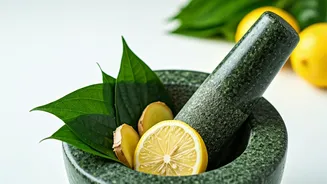
Preparing this remedy is incredibly simple. You don't need any special equipment, just the coriander seeds that are likely already in your masala dabba. The Overnight Soak Method (Recommended): 1. Take one to two teaspoons of whole coriander seeds. 2. Lightly crush them using a mortar and pestle or the back of a spoon. This helps release the essential oils. 3. Add the crushed seeds to one large glass of water (about 250 ml). 4. Cover the glass and let it steep overnight at room temperature. 5. In the morning, stir the water well, strain out the seeds, and drink the water on an empty stomach. The Quick Boil Method: If you forget to soak the seeds overnight, you can use this faster method. 1. Add one to two teaspoons of crushed coriander seeds to a pot with one and a half glasses of water. 2. Bring the water to a boil and let it simmer for 5-7 minutes, until the water reduces slightly and takes on a pale, yellowish-brown hue. 3. Turn off the heat, let it cool to a drinkable temperature, strain, and drink.
Are There Any Side Effects to Consider?
For most people, coriander water is considered very safe, especially when consumed in moderation. It is, after all, made from a common culinary spice. However, there are a few things to keep in mind. Since it can have a mild diuretic effect, it’s important to maintain your overall hydration throughout the day. People with allergies to plants in the carrot family (like fennel, dill, and celery) might have a higher chance of being allergic to coriander. Additionally, because it may have a mild effect on lowering blood sugar levels, individuals with diabetes or those on blood sugar medication should consult their doctor before making it a regular part of their routine. As with any remedy, it's best to start with a small amount to see how your body reacts.