

The Perfect Trio for Indian Winters
Starting a garden can feel intimidating, but beginning with just a few pots is a simple and rewarding journey. For the Indian home, especially during the milder winter months, there's no better starting point than Tulsi, mint (pudina), and coriander (dhania).
These three herbs are not just culinary staples; they are remarkably beginner-friendly and thrive in containers. They represent the core of home-grown freshness, offering flavour for your food, wellness for your family, and a touch of green to brighten your space. Winter provides a favourable climate for these herbs, with reduced pest problems and cooler temperatures that many plants prefer. This makes it the ideal season to dip your toes into home gardening.
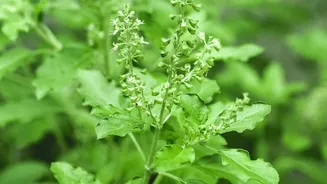
Tulsi: The Queen of Herbs
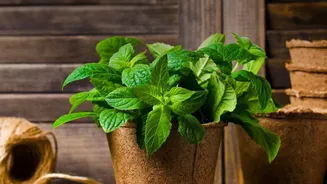
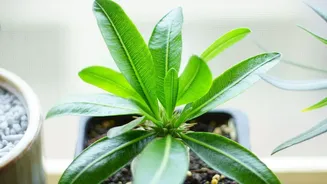
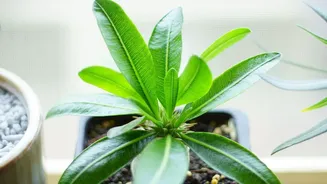
No Indian home garden feels complete without Tulsi, or Holy Basil. Revered for its immense cultural and spiritual significance, it is also a powerhouse of medicinal benefits. Known to boost immunity, reduce stress, and act as a natural air purifier, having a Tulsi plant is like having a living pharmacy at home. For winter care, especially in colder North Indian regions, it's best to move your Tulsi pot indoors to a spot that receives 4-6 hours of sunlight, like a south-facing window. It's a tropical plant that dislikes frost. Use a well-draining potting mix, ideally in a terracotta pot that allows the roots to breathe, and be careful not to overwater, as the soil dries slower in winter. Water only when the top inch or two of soil feels dry to the touch.
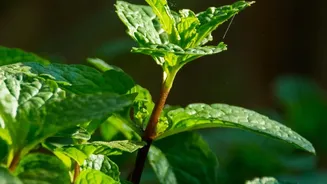
Mint: The Resilient All-Rounder
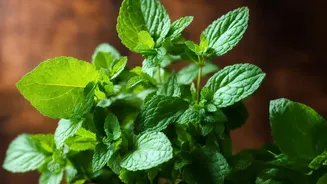
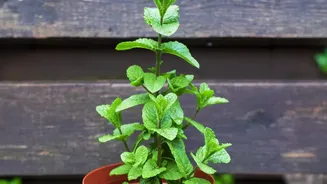
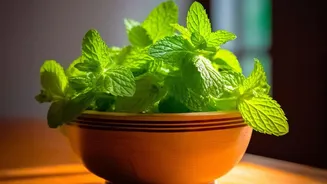
If you're looking for an almost foolproof plant, start with mint (pudina). This herb is famously vigorous and grows so readily that containing it in a pot is the best way to manage it. Mint is incredibly versatile, perfect for everything from refreshing chutneys and raitas to soothing teas. It thrives in pots and enjoys consistently moist soil, though it still requires good drainage to prevent root rot. While it loves sun, it can tolerate partial shade, making it adaptable to various spots on your balcony or windowsill. You can easily grow it from a cutting; simply place a healthy stem in a glass of water, and once roots appear, plant it in a pot with a rich potting mix.
Coriander: The Flavour of Home
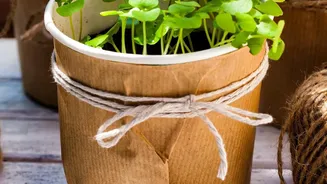
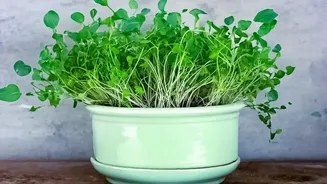
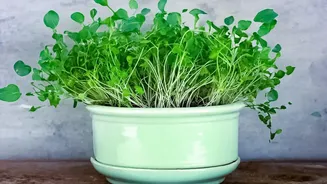
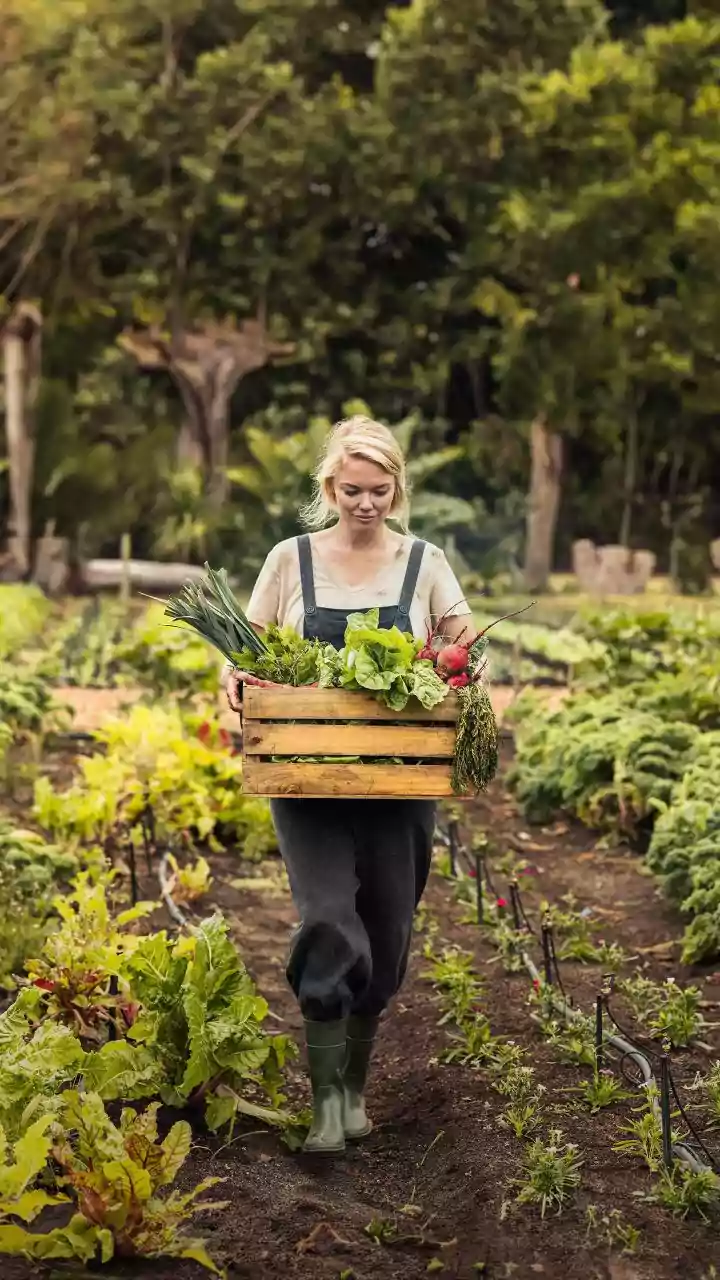
Freshly chopped coriander, or dhania, is the final flourish on countless Indian dishes. While store-bought bunches often wilt quickly, growing your own ensures a constant supply. Coriander prefers the cooler weather of winter, making it a perfect seasonal choice. It can be grown easily from the whole coriander seeds found in your kitchen masala box. For better germination, gently split the seeds into two halves, then sow them in a wide, shallow pot. Keep the soil consistently moist and provide it with morning sun. The leaves should be ready to harvest in just a few weeks. Regular harvesting from the outer leaves encourages the plant to become bushier and produce more foliage.
Your Simple Starter Kit
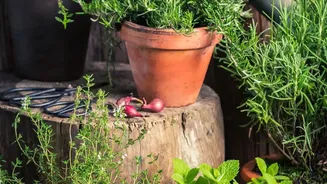
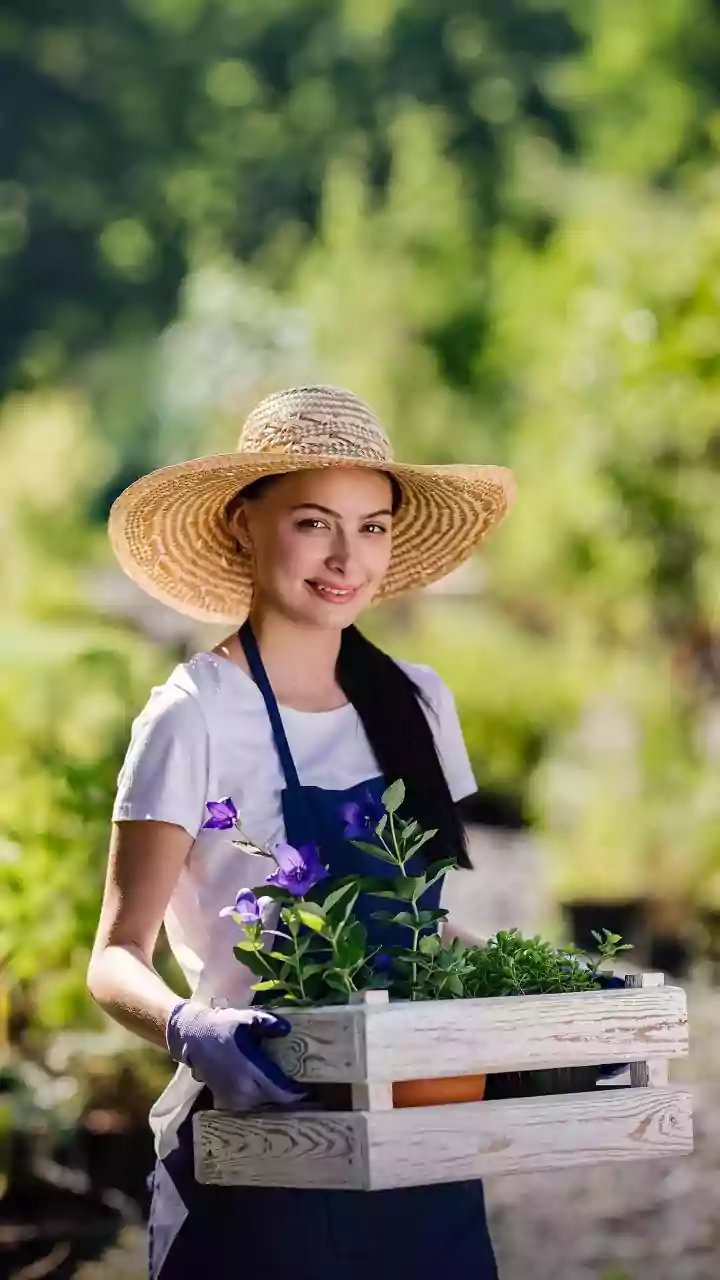
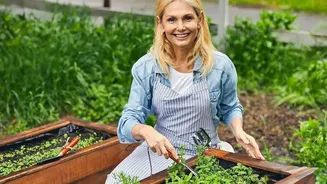
You don’t need expensive equipment to get started. All it takes is a few basic items. First, select your pots; terracotta pots are excellent as they are porous and prevent waterlogging, which is a common problem for beginners. Next is the soil. Avoid using heavy garden soil, which compacts easily in pots. Instead, opt for a light, well-draining potting mix. You can buy a ready-made organic mix or create your own by combining garden soil, cocopeat (for moisture retention), and compost or vermicompost (for nutrients). Finally, you'll need your plants—either seeds for coriander or small saplings or cuttings for Tulsi and mint, which are often available at local nurseries.