





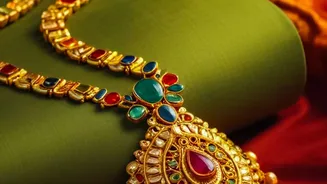
Gold loans are a financial lifeline for many in India, but the loan amount you receive hinges entirely on one crucial step: valuation. Understanding how lenders assess your jewellery is key to unlocking its true worth and making a smart borrowing decision.
The Science Behind the Shine
When you pledge your gold jewellery for a loan, its value isn't based on the price you paid or its sentimental worth. Lenders follow a standardised process to determine its intrinsic monetary value. This assessment is the foundation for your entire loan. The final figure depends on three core factors: the purity of the gold, its net weight, and the prevailing market price. This valuation is conducted by certified appraisers, often in your presence, to ensure transparency. They use precise methods to calculate exactly how much your gold is worth as collateral, which might be very different from its retail price tag that included making charges and taxes.
Purity is Paramount
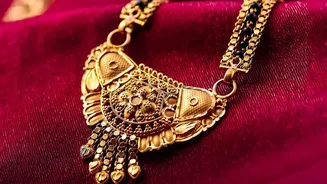
The most significant factor in valuation is the gold's purity, measured in karats (K). Pure 24K gold is the most valuable, but most Indian jewellery is made from 22K (91.6% pure gold) or 18K (75% pure gold) for durability. Lenders use modern equipment like X-ray fluorescence (XRF) machines or traditional acid tests to verify the exact karatage of each piece. A higher karat means a higher value per gram. This is why hallmarked jewellery, which carries a certification of purity from the Bureau of Indian Standards (BIS), is often preferred as it makes the verification process smoother and more reliable.
Weight and the Matter of Stones
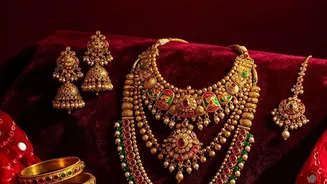
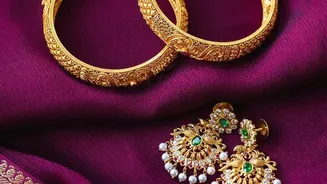
After determining purity, the valuer assesses the weight. A critical point for borrowers to understand is that lenders are only interested in the net weight of the gold. Any embedded stones, gems, diamonds, enamel, or other non-gold materials are carefully excluded from the calculation. An appraiser will weigh the entire ornament (gross weight) and then deduct the estimated weight of these additions to arrive at the net gold weight. This means that a heavy, ornate necklace studded with many stones may have a lower loan value than a simpler, plain gold chain of the same total weight.
The Role of Market Rates
The third piece of the puzzle is the current market price of gold. Gold is a commodity with a fluctuating price. To ensure fairness and stability, lenders don't just use the live price of the day. As per Reserve Bank of India (RBI) guidelines, they typically use the average price of gold over the last 30 days. This average rate, adjusted for the purity of your gold (e.g., the rate for 22K gold), is multiplied by the net weight to arrive at the final appraised value of your jewellery.
Understanding the Loan_to_Value Ratio
The appraised value is not the final loan amount you receive. Lenders provide a percentage of this value as the loan, a metric known as the Loan_to_Value (LTV) ratio. The RBI sets the maximum LTV to protect both lenders and borrowers. Generally, the LTV ratio is capped at 75%, meaning you can get a loan of up to ₹75,000 against gold valued at ₹1 lakh. Some lenders may offer tiered LTVs, for instance, a slightly higher ratio for smaller loan amounts, but these always operate within the RBI's framework. This ratio serves as a safety margin for the lender against gold price fluctuations.
How to Ensure a Fair Valuation
As a borrower, you can take steps to ensure you get the best possible value. First, clean your jewellery before taking it for appraisal. If you have the original purchase receipts, carry them along, as they can sometimes help in the assessment. Always insist that the valuation is done in your presence and ask for a detailed valuation certificate. Don't hesitate to get quotes from multiple lenders—banks and Non_Banking Financial Companies (NBFCs)—as their appraisal charges and specific policies might differ slightly. Pledging hallmarked jewellery without many stones will generally yield the highest value relative to its weight.