






A Time for Spiritual Reflection
Chaturmas, which literally translates to 'four months', is a deeply significant period for Hindus. It begins on Devshayani Ekadashi and concludes on Devutthana Ekadashi. For 2026, this sacred period starts on July 25 and ends on November 20. According
to religious belief, this is the time when Lord Vishnu enters a state of cosmic sleep, or 'Yoga Nidra'. Consequently, these four months—Shravan, Bhadrapad, Ashwin, and Kartik—are dedicated to inner reflection, prayer, and spiritual practices. During this time, major auspicious ceremonies like weddings and housewarmings are traditionally avoided, shifting the focus from grand celebrations to personal discipline and devotion.
The 'Why' Behind the Diet
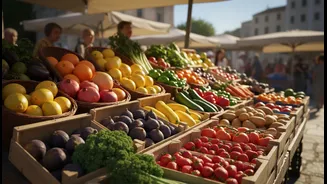
A central aspect of observing Chaturmas is adherence to a specific diet, which is typically sattvic—meaning pure, light, and easy to digest. Devotees often avoid tamasic foods like onion, garlic, meat, and alcohol, as they are believed to cause mental inertia and distract from spiritual focus. There's an Ayurvedic and scientific logic to these practices as well. The four months of Chaturmas coincide with the monsoon season, a time when the digestive system is considered to be weaker. The humid weather also encourages the growth of bacteria and microbes, especially in leafy green vegetables. The dietary restrictions are designed to cleanse the body, prevent illness, and align one's lifestyle with the rhythms of nature, thereby boosting immunity and aiding meditation.
Stocking Your Sattvic Pantry
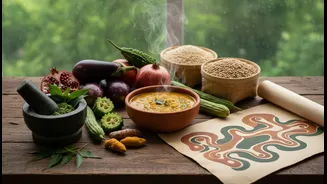
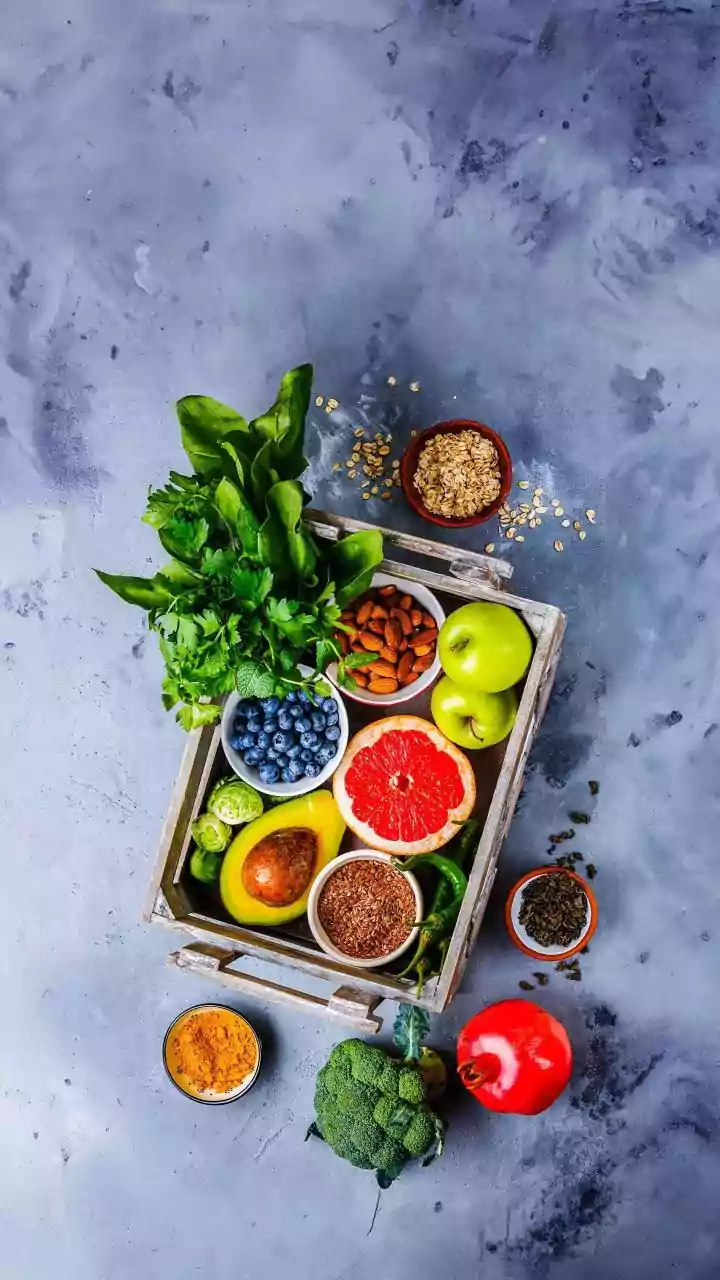
Preparing your kitchen for Chaturmas involves a thoughtful restocking of your pantry. Traditional restrictions often vary by month and community. For instance, some avoid green leafy vegetables in Shravan, curd in Bhadrapad, milk in Ashwin, and certain lentils like urad dal in Kartik. Key staples to have on hand include flours like amaranth (rajgira) and water chestnut (singhara), which are popular for fasting. Rock salt (sendha namak) replaces regular table salt. Light and easy-to-digest lentils like moong dal become a go-to protein source. Spices that are generally permitted include cumin, black pepper, and ginger, which can be used to add flavour in the absence of onion and garlic. Ghee and buttermilk are also favoured for their health benefits and purity.
Creative and Mindful Meals
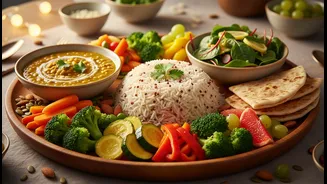
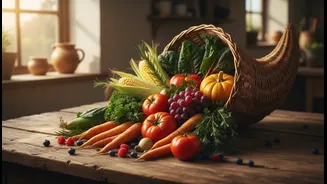
Observing the Chaturmas diet is far from a sentence to bland food. Instead, it can be an opportunity for culinary creativity. It’s a chance to explore a different spectrum of flavours and ingredients. You can experiment with vegetables like pumpkin, bottle gourd, and sweet potatoes. Paneer can be prepared in delicious gravies using tomato and ginger-based purees instead of the usual onion and garlic. Snacks can be reinvented with sabudana (sago), which is a high-energy and easily digestible option perfect for fasting days. Simple dishes like fruit chaats, steamed sweet potato, and porridges made from fasting flours provide both nutrition and variety, proving that a restricted diet can still be a delicious one.
Adapting Tradition to Modern Life
In today's fast-paced world, observing traditional practices requires some planning. Meal prepping can be a lifesaver. You can prepare base gravies with tomatoes and spices over the weekend to use in various vegetable dishes during the week. Making a large batch of sabudana khichdi or roasted makhana (fox nuts) ensures you have healthy snacks ready. Many families also use this time to connect, with different members taking turns to cook or discover new recipes that fit the dietary guidelines. Ultimately, embracing the Chaturmas diet is not just about abstaining from certain foods; it's about practicing self-discipline, fostering mindfulness in eating, and using the time for a physical and spiritual reset.