


The Problem with Processed Sugar
We love our sweets. From the morning chai to festive mithai, sugar is woven into the fabric of our daily lives. But the ubiquitous refined white sugar found in our homes and in countless packaged foods is a modern invention with significant downsides.
When sugarcane is heavily processed to create these uniform white crystals, it is stripped of all its natural minerals and nutrients. What’s left is pure sucrose, providing 'empty calories'—energy with zero nutritional benefit. Overconsumption of processed sugar is linked to a host of health issues. It causes rapid spikes in blood sugar and insulin levels, which over time can contribute to insulin resistance, metabolic syndrome, and an increased risk of type 2 diabetes. It also promotes inflammation, can lead to weight gain, and negatively impacts heart health. In essence, that sweet spoonful is doing more harm than good, offering a fleeting moment of pleasure at a long-term cost to our well-being.
Rediscovering Nature’s Sweetener
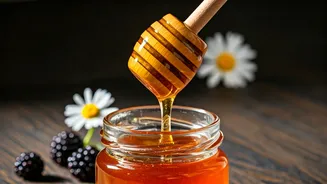
Long before refined sugar became a staple, honey was humanity’s original sweetener. In India, it holds a place of reverence in Ayurveda and traditional home remedies, valued for both its taste and its medicinal properties. Unlike processed sugar, honey is a natural substance, a complex mixture of sugars (mainly fructose and glucose), water, vitamins, minerals, enzymes, and amino acids. Raw, unpasteurised honey is particularly rich in phytonutrients and antioxidants, such as flavonoids and phenolic acids. These compounds help combat oxidative stress in the body, which is a key driver of chronic diseases and ageing. Furthermore, honey possesses natural antibacterial and anti-inflammatory properties, which is why a spoonful of honey with ginger or tulsi is a go-to remedy for a sore throat or cough in many Indian households.
Why 'Wild' and 'Organic' Matter
Not all honey is created equal. The mass-produced honey sold in many supermarkets is often pasteurised (heated to high temperatures), which destroys many of its beneficial enzymes and antioxidants. It may also be sourced from bees that pollinate a single crop (monoculture), resulting in a less diverse nutritional profile. This is where 'organic wild honey' stands apart. 'Wild' honey is harvested from the hives of bees that forage freely in natural forests, gathering nectar from a wide variety of wildflowers and medicinal plants. This biodiversity translates into a more complex flavour and a richer, more potent nutritional profile. 'Organic' certification further ensures that the honey is free from pesticides and antibiotics, and that the bees and their environment are treated sustainably. This is honey as nature intended—pure, unadulterated, and full of life.
A Smarter Impact on Blood Sugar
One of the most important differences between sugar and honey lies in their effect on our blood sugar. The Glycemic Index (GI) is a scale that ranks carbohydrates on how much they raise blood glucose levels. Refined sugar (sucrose) has a GI of around 65. Honey, on the other hand, typically has a lower GI, ranging from 45 to 64 depending on the floral source. Wild honey, with its higher fructose content, often falls on the lower end of this spectrum. This means that honey raises blood sugar levels more gradually than refined sugar. This slower, more controlled release of energy avoids the sharp 'sugar rush' and subsequent 'crash' associated with processed sweets. While it's crucial to remember that honey is still a sugar and should be consumed in moderation, its lower GI makes it a metabolically smarter choice, especially for those managing their weight or blood sugar levels.
How to Make the Switch
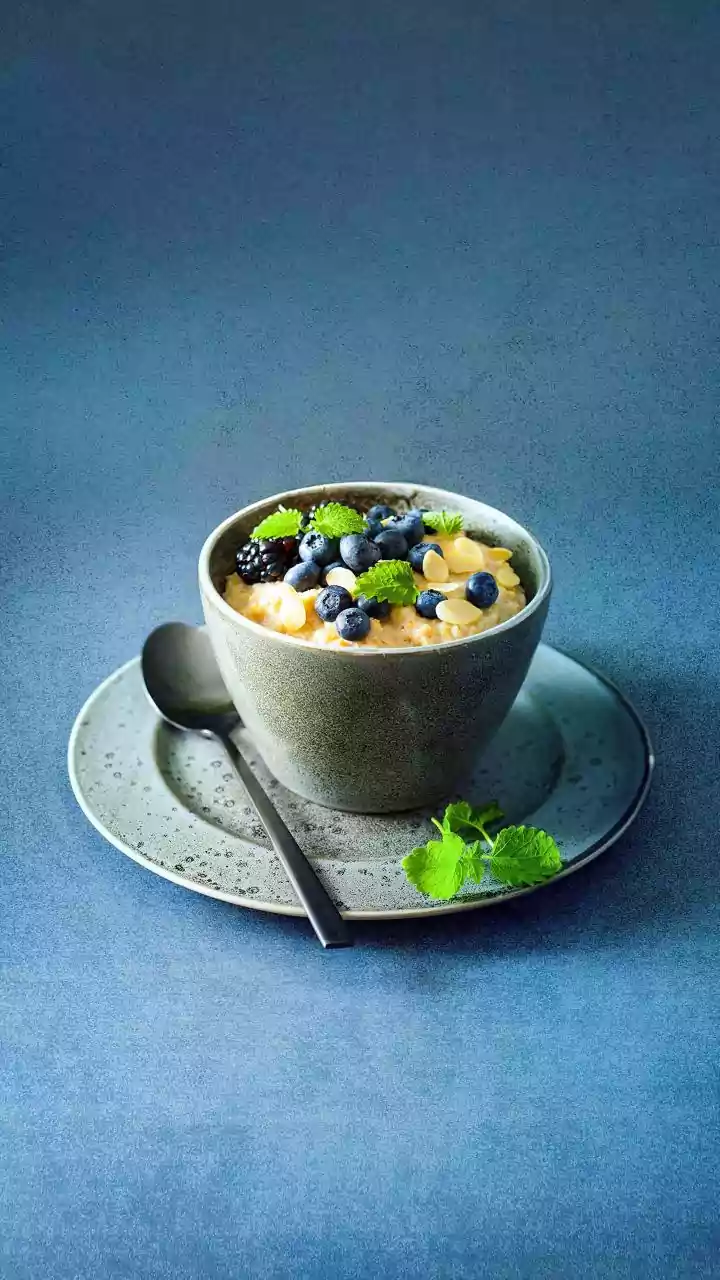
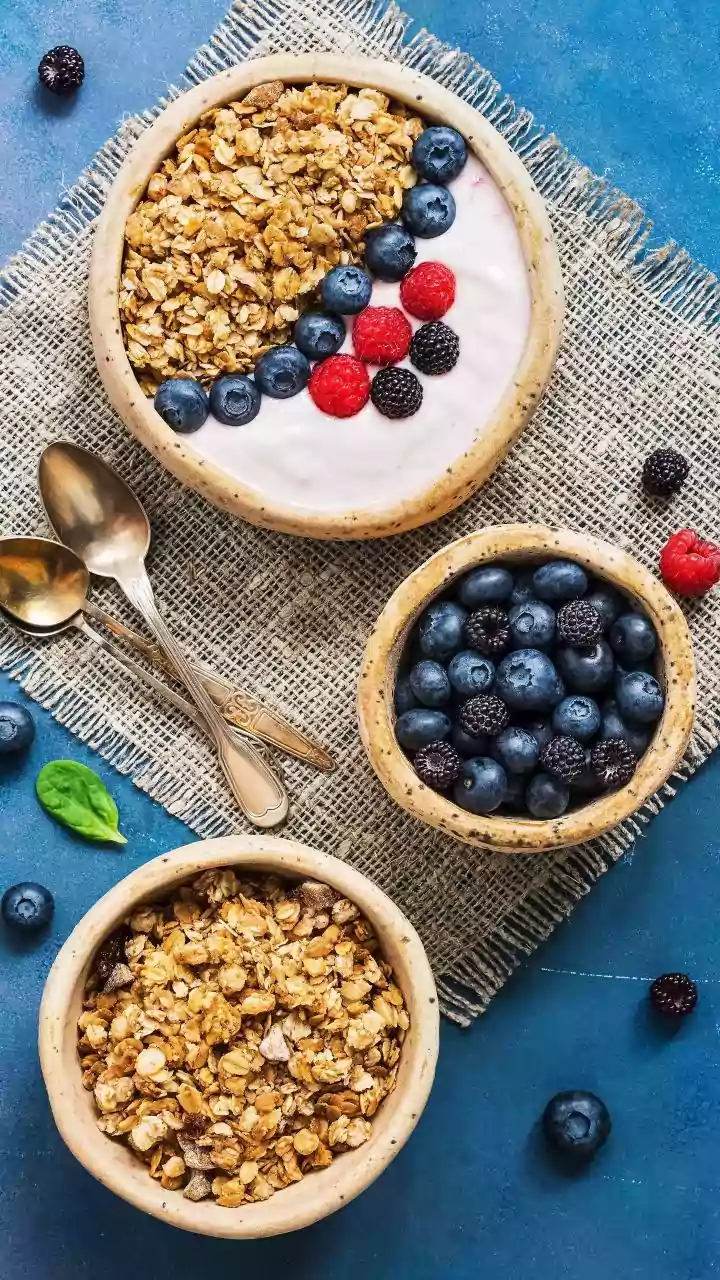
Making the change from sugar to wild honey is simple and rewarding. Start by replacing sugar in your daily tea or coffee. A teaspoon of wild honey dissolves easily and adds a beautiful, complex flavour that white sugar lacks. Drizzle it over your morning porridge, yoghurt, or a slice of toast. Use it to make a simple and healthy dressing for salads with lemon juice and a pinch of salt. When shopping, look for honey that is labelled 'raw,' 'unprocessed,' or 'wild.' It will often be darker and may crystallise over time—a natural process that is a sign of good quality. Avoid cooking or baking with honey at very high temperatures, as this can diminish its nutritional benefits. Instead, add it towards the end of the cooking process or use it in its raw form to get the most out of this liquid gold.