






A New Culinary Horizon
For years, the Indian diner’s experience with vegetarian Asian food was largely defined by a comforting but limited menu of Gobi Manchurian, Hakka noodles, and chilli paneer. This localised version of Chinese cuisine became a staple, a go-to for family
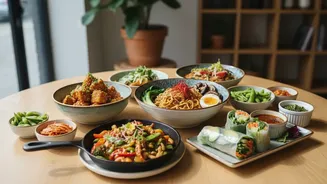
dinners and quick takeaways. While beloved, it barely scratched the surface of what Asia’s diverse culinary landscape has to offer. Today, that is changing rapidly. A quiet revolution is underway in urban cafes across India, from Mumbai and Delhi to Bengaluru. Menus are diversifying, moving beyond the familiar Indo-Chinese framework to embrace a wider Pan-Asian identity. Diners are now finding sophisticated vegetarian and vegan options that were once rare, including dishes inspired by Japanese, Korean, Vietnamese, and Thai traditions. This shift signals a maturing of the Indian palate and a growing curiosity for authentic global experiences.
What’s Whetting the Appetite?
Several factors are fueling this trend. Increased international travel, the explosion of food-focused social media, and rising disposable incomes have made Indians more adventurous eaters. People are returning from trips abroad with a taste for ramen, sushi, and pho, and they want to find those flavours back home. This growing demand is being met by a new generation of chefs and restaurateurs who are eager to experiment. They recognise that India’s large vegetarian population, which has a long and sophisticated culinary history, is ready for something new. It’s no longer enough to simply offer a few token vegetarian sides; diners expect creative, ingredient-forward main courses that stand on their own. Cafes are responding by crafting entire menus dedicated to plant-based Asian fare, proving that vegetarian food can be exciting and globally inspired.
From Ramen to Baos
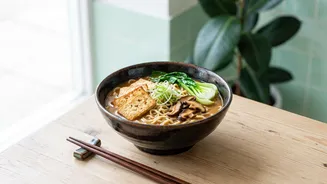
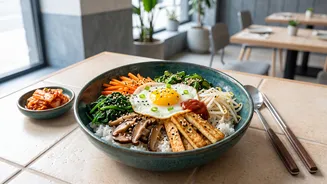
The new menus are a testament to this creative spirit. You can now find vegetarian ramen with rich, umami-packed miso or mushroom broths, a far cry from simple noodle soups. Sushi, once seen as a primarily non-vegetarian delicacy, is being reimagined with fillings like avocado, cream cheese, tempura-fried yam bean, and exotic vegetables. Vietnamese summer rolls with fresh herbs and rice noodles offer a light, healthy alternative. Korean influences are appearing in dishes like spicy gochujang-glazed cauliflower and kimchi rice bowls, often adapted with paneer or tofu. Even dumplings are getting an upgrade, with cafes offering everything from delicate Cantonese cheung fun with mushroom fillings to Tibetan momos with inventive vegetable stuffings. Baos filled with teriyaki mushrooms or spicy jackfruit have also become a cafe favourite across the country.
The Art of Adaptation
This isn't just about importing recipes. The most successful cafes are skillfully adapting these global dishes to suit local tastes while preserving their authentic spirit. Chefs are using high-quality, locally sourced ingredients to create these international flavours. For instance, some restaurants are making their own plant-based versions of traditionally non-vegetarian staples like fish sauce, using ingredients that are fresh and seasonal. This thoughtful approach ensures the dishes feel both new and familiar. It also caters to the specific dietary needs of Indian diners, with many places offering dedicated vegan and even Jain options. The goal is not to simply replicate a dish from another country, but to interpret it in a way that resonates with the Indian diner, creating a fusion that is both respectful and innovative.