


A Paradise Under Pressure
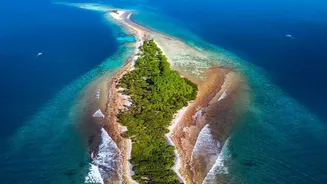
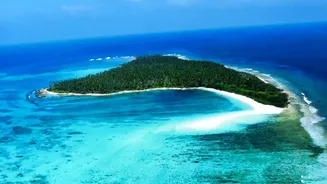
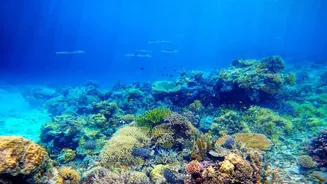
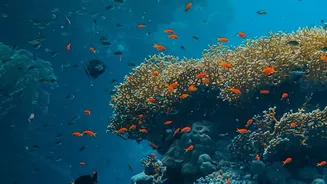
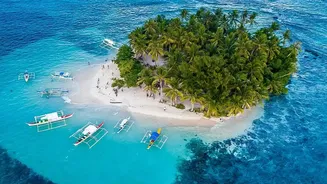
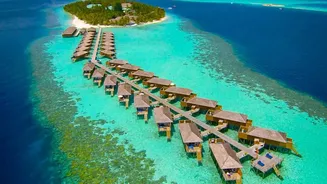
Lakshadweep, an archipelago of 36 islands in the Arabian Sea, is built upon a foundation of coral. These vibrant underwater ecosystems are not just a tourist attraction; they are the literal bedrock that sustains the islands, protecting them from the sea
and nurturing a rich diversity of marine life. This includes over 100 species of coral and 600 species of fish. However, this delicate paradise faces immense pressure. Climate change is a primary culprit, with rising sea temperatures causing catastrophic coral bleaching events. In early 2024, record-setting heat stress severely impacted the reefs. On top of this, the threats from human activity are growing. Pollution, including marine litter and microplastics, chokes the ecosystem, while unsustainable fishing practices and the potential for over-tourism add to the strain.
The Promise of Low-Volume, High-Value Tourism
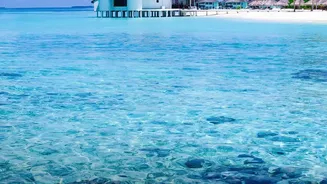
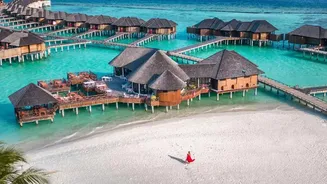
Recognizing these dangers, the Lakshadweep administration is championing a model of 'low-volume, high-value' tourism. The core idea is to move away from mass tourism and its destructive footprint, instead attracting travellers who are environmentally conscious and willing to invest in a premium, sustainable experience. This strategy is managed by the Society for Promotion of Nature Tourism and Sports (SPORTS), which acts as the nodal agency for promoting eco-friendly tourism. The approach is supported by national initiatives like the Swadesh Darshan 2.0 scheme, which provides funding for sustainable infrastructure that complies with strict environmental regulations. The goal is to ensure that any development does not come at the cost of the fragile environment that makes Lakshadweep unique.
What Are the Sustainable Protocols?
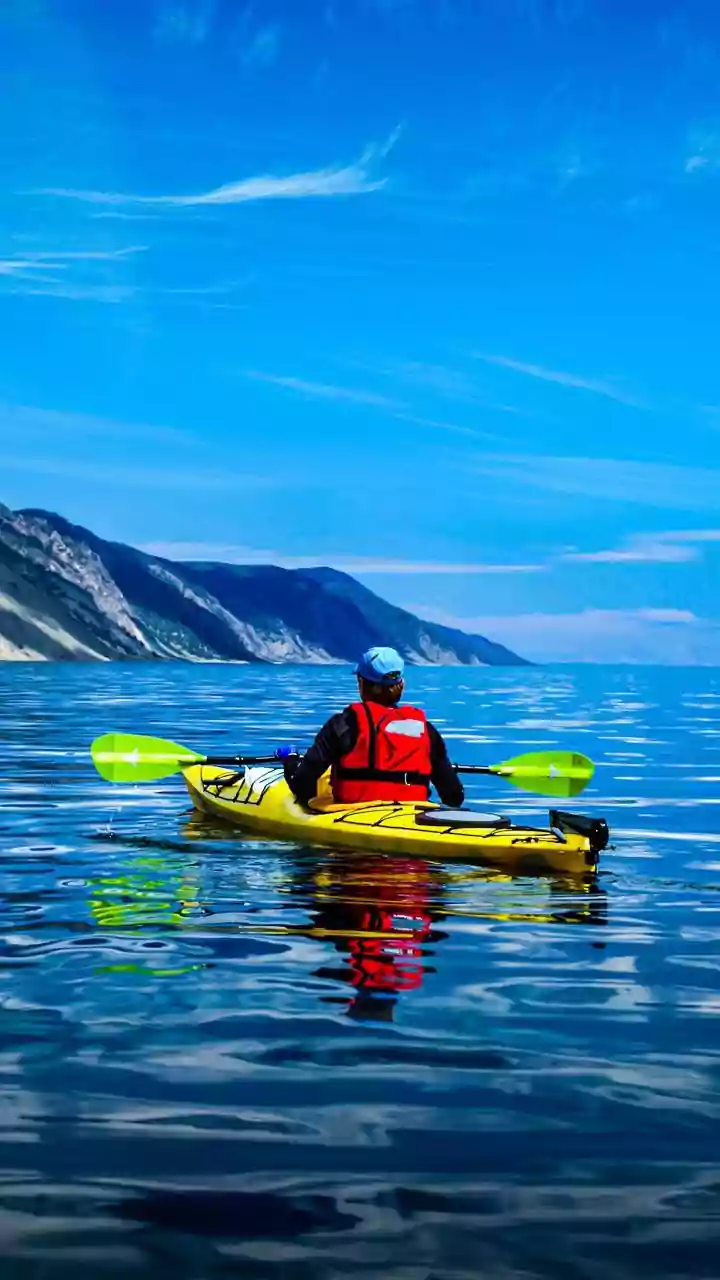
The new eco-tourism model is built on a framework of specific, enforceable protocols. A cornerstone of this policy is a strict ban on single-use plastics across the islands, a move that has already significantly reduced waste on beaches and in the lagoons. Visitor access is also carefully managed through a permit system, which helps limit the number of tourists on any given island at one time, adhering to the principle of 'carrying capacity'. For recreational activities, there are stringent guidelines. Sports like scuba diving and snorkeling, which bring tourists into direct contact with the reefs, are conducted under supervision with an emphasis on responsible practices to prevent damage to the coral. Tourists are given training and educational tours to foster a deeper appreciation for conservation.
Community at the Core
A key feature of Lakshadweep's approach is the deep involvement of local communities. Instead of being passive bystanders to tourism development, islanders are positioned as active participants and stewards of their own environment. Community-based ecotourism initiatives are encouraged, from running homestays and guiding snorkeling trips to selling local crafts. This not only ensures that the economic benefits of tourism flow directly to the local population but also helps preserve the unique cultural fabric of the islands. The administration is also investing in capacity-building programs to equip islanders with the skills needed to work in and manage the growing tourism sector, making them central to its sustainable success.
Challenges and the Road Ahead
Despite these promising initiatives, significant challenges remain. A robust waste management system is crucial to handle the refuse generated by both residents and tourists. The scarcity of fresh water is another major concern, as an influx of visitors could strain the islands' reliance on rainwater harvesting and desalination plants. Furthermore, some recent policy changes, such as the introduction of a new excise framework to allow alcohol sales in designated tourism zones, will require careful implementation to balance economic goals with local sensitivities and environmental rules. The success of this model ultimately depends on a steadfast commitment to enforcing regulations and prioritizing ecological health over unchecked growth, ensuring that Lakshadweep can serve as a blueprint for sustainable island tourism worldwide.