
What is Functional Strength?
Functional strength training is a style of exercise designed to prepare your body for the movements you perform in daily life. Instead of isolating one muscle at a time, like in traditional bodybuilding, it focuses on compound exercises that train multiple
muscle groups and joints to work together as an integrated system. Think about the actions you do every day: sitting and standing, bending to pick things up, carrying heavy bags, or placing something on a high shelf. These are all complex movements. Functional training mimics these real-world activities to build strength that is practical and usable outside the gym, improving your overall efficiency and reducing strain. The goal is to move powerfully and safely, whether you're climbing stairs or playing with your kids.
Quality Over Quantity: The Core Principle
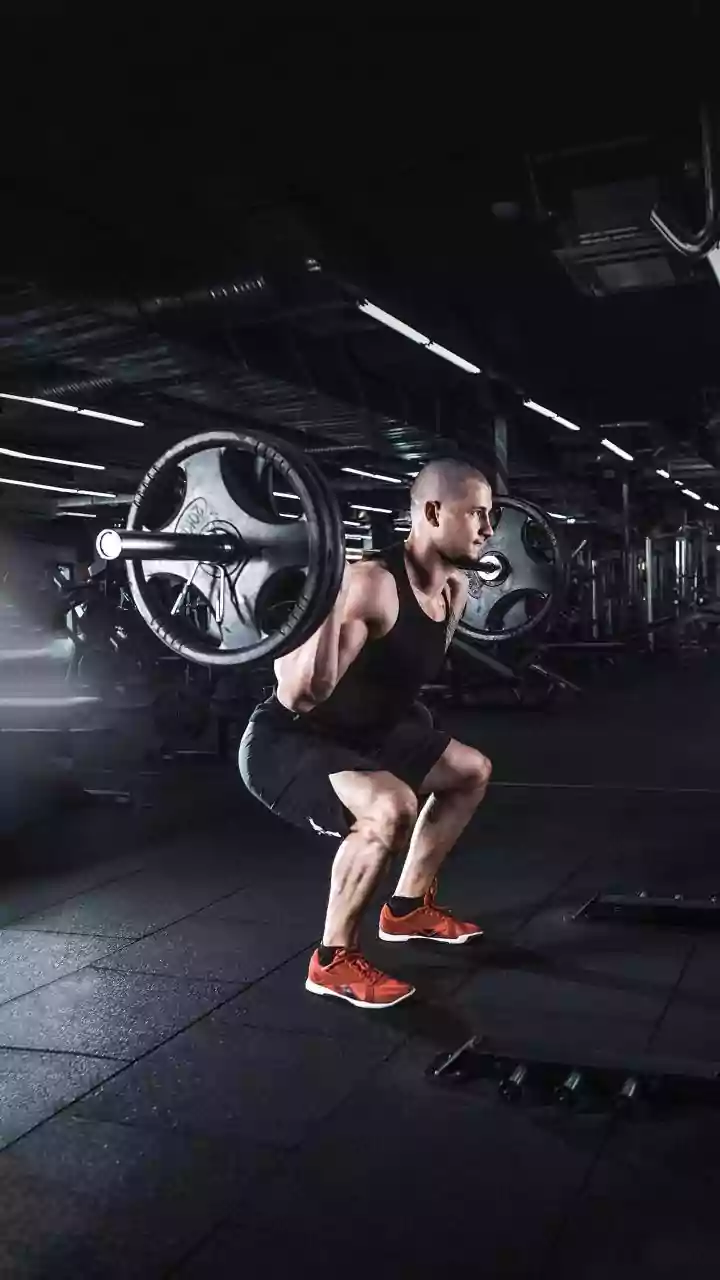
The most important rule in functional fitness is prioritising the quality of your movement over the quantity of reps or the amount of weight. Performing an exercise with incorrect technique places unnecessary stress on your joints, ligaments, and tendons, which can lead to injury. A poorly executed squat, for example, might overload your knees or strain your lower back instead of strengthening your legs and glutes. When your form is correct, you ensure the targeted muscles are doing the work, which maximizes the effectiveness of the exercise. This creates a better mind-muscle connection, helping you engage your muscles more effectively and build strength that truly supports your body. Good form reinforces healthy movement patterns, improving your posture, balance, and coordination in the long run.
The Seven Foundational Movement Patterns
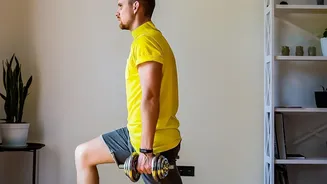
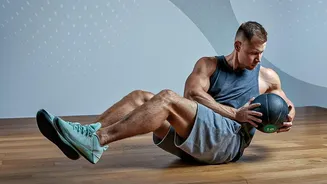
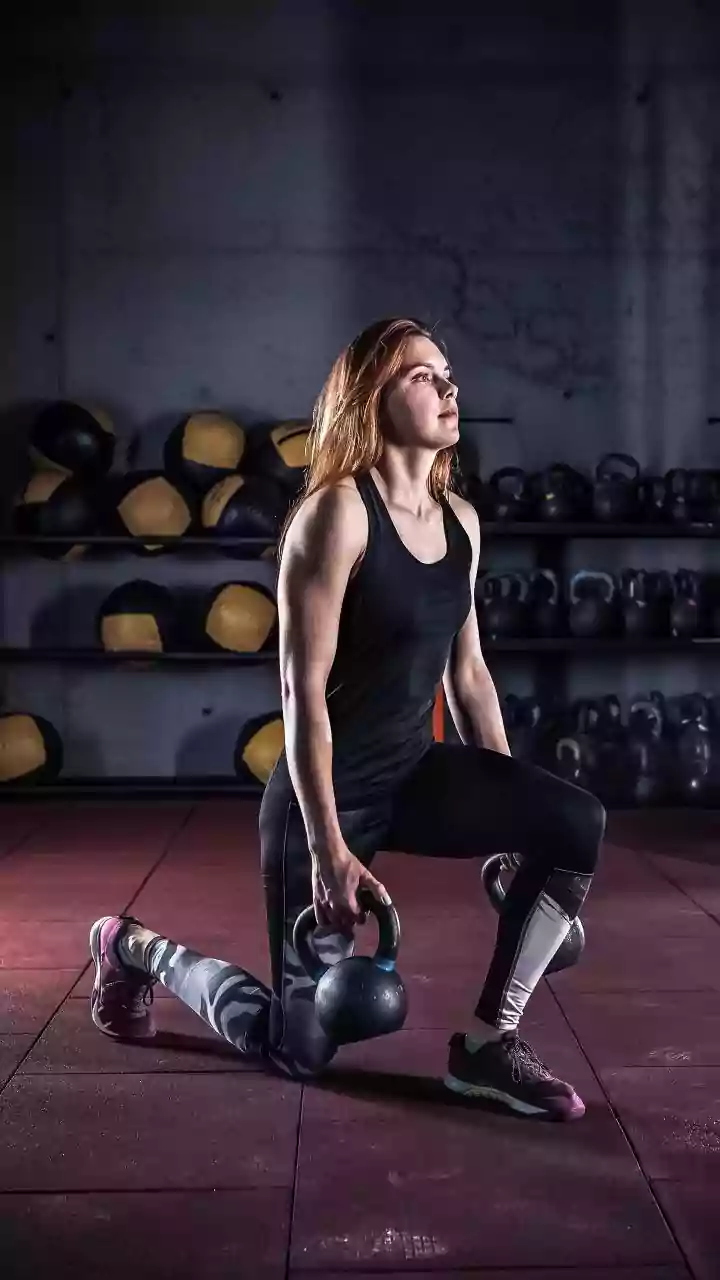
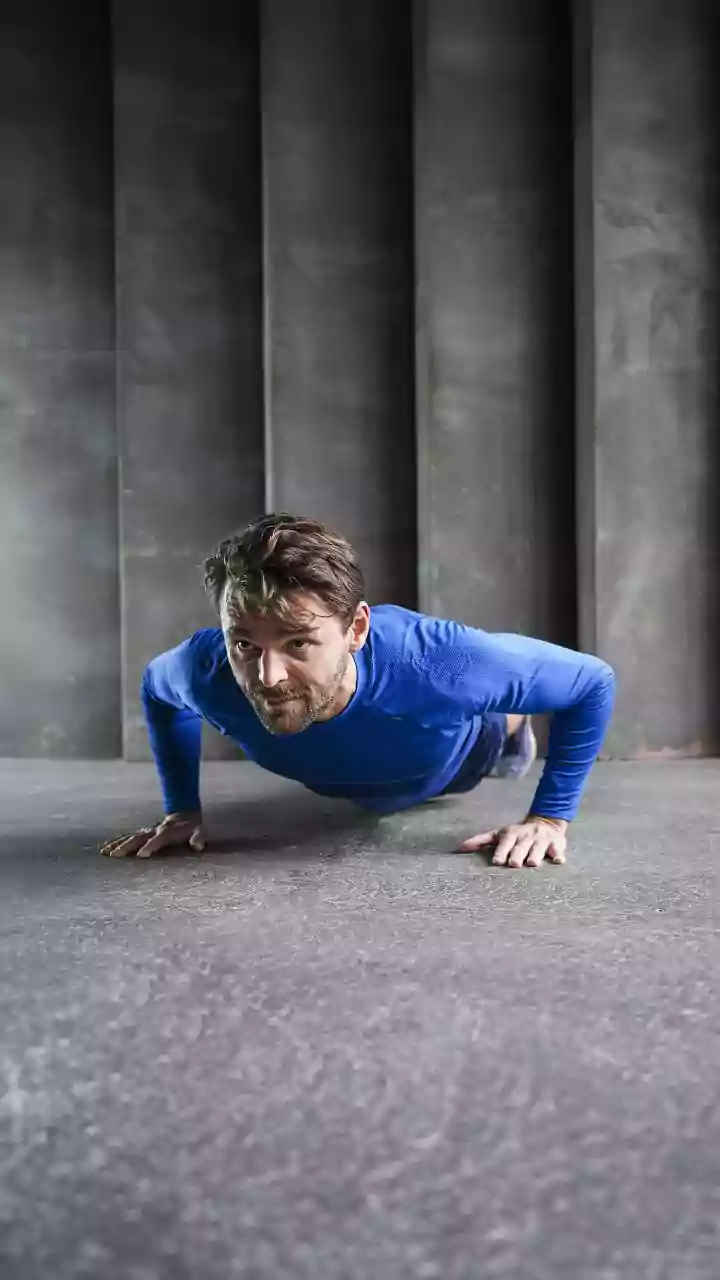
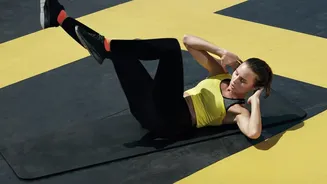
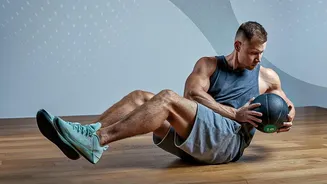
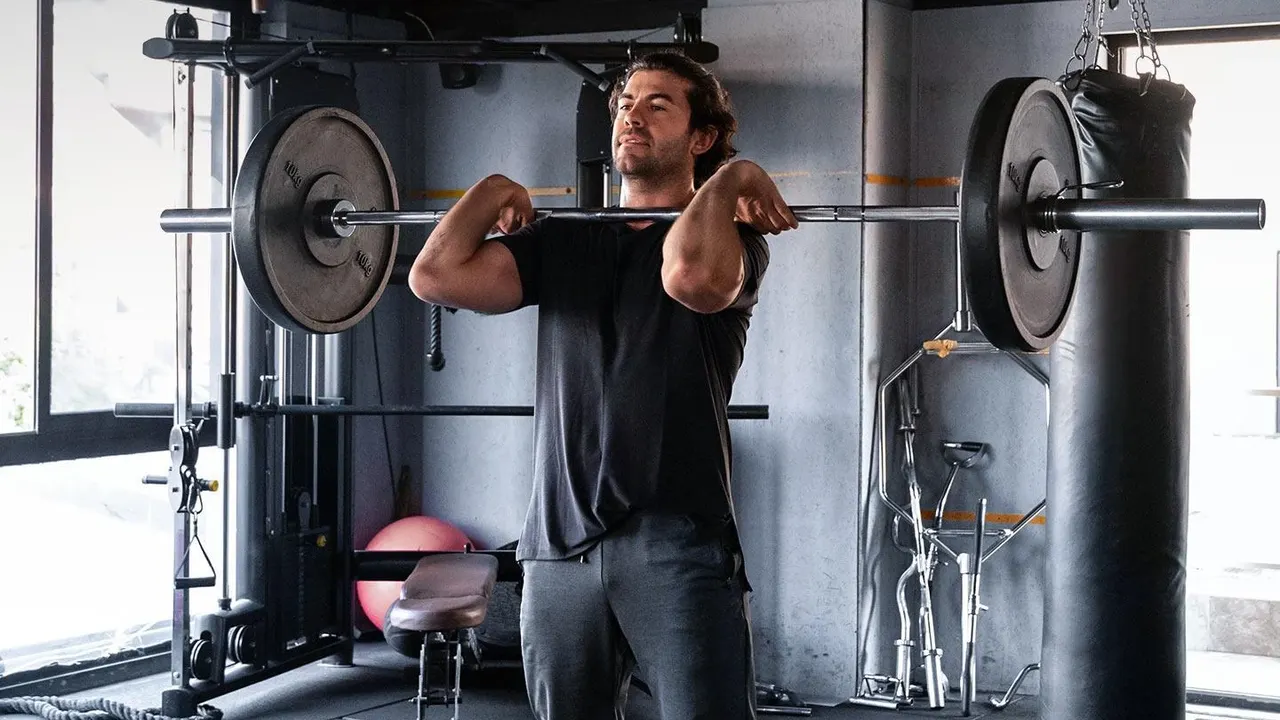
Experts have identified seven basic movement patterns that form the building blocks of nearly all our daily activities. By training these patterns, you build a well-rounded, resilient body. They are: Squat (sitting and standing), Lunge (walking, climbing stairs), Hinge (bending and lifting), Push (pushing a door or getting up from the floor), Pull (pulling a door or starting a lawnmower), Carry (carrying groceries or luggage), and Twist (rotating your torso). A good functional routine will incorporate exercises from each of these categories. For example, a bodyweight squat trains the muscles used to get out of a chair, while a farmer's carry builds the grip and core strength needed to haul heavy shopping bags.
How to Improve Your Movement Quality
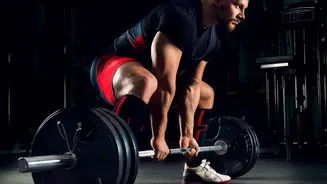
Improving your form doesn't require a personal trainer, though professional guidance is always beneficial. Start by focusing on your body's alignment. Maintaining a neutral spine during exercises like deadlifts and squats is crucial for protecting your back from injury. Engaging your core muscles acts like an internal brace, providing stability. Slow down your repetitions. Moving in a controlled manner helps prevent jerky motions that can cause injury and allows you to focus on the muscle doing the work. It can also be incredibly helpful to use a mirror or even record yourself with your phone. Video feedback turns abstract cues like “keep your chest up” into concrete, visual lessons that are easier to apply. If a movement feels wrong or causes pain, it’s a sign to stop, reduce the weight, or check your technique.