


The Lifeline Under Pressure
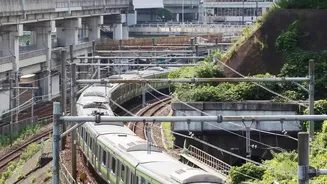
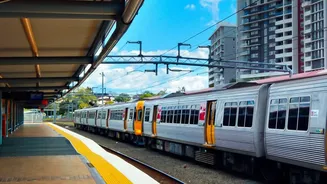
Mumbai's suburban railway is often called the city's lifeline, and for good reason. It moves over seven million people every single day. But this lifeline is stretched to its breaking point. During peak hours, trains operate at a 'super-dense crush load',
with carriages designed for 1,700 passengers often carrying over 5,000. This extreme overcrowding is not just a matter of discomfort; it leads to delays, safety hazards, and a significant strain on the city's productivity. For decades, the core problem has been a simple lack of capacity. There are too many people and not enough trains, leading to a system that is constantly struggling to keep up with the demands of a growing metropolis.
A Shared Battlefield on the Tracks
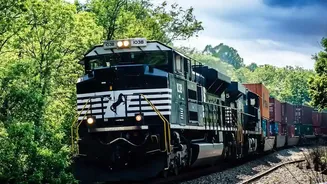
A major, often overlooked, reason for this congestion is that passenger and freight trains have historically shared the same tracks. Every time a long, slow-moving goods train lumbers through the network, it occupies precious track space that could otherwise be used by a local commuter service. This conflict creates a ripple effect of delays across the system. It forces passenger trains to wait, disrupts timetables, and severely restricts the number of new local services that can be introduced. In essence, Mumbai’s local trains and the nation's goods trains have been fighting for the same limited railway lines, a situation that has made meaningful expansion of commuter services nearly impossible.
The Solution: Dedicated Freight Corridors
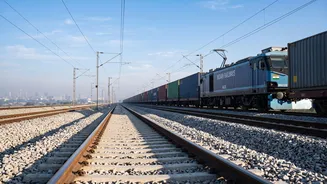
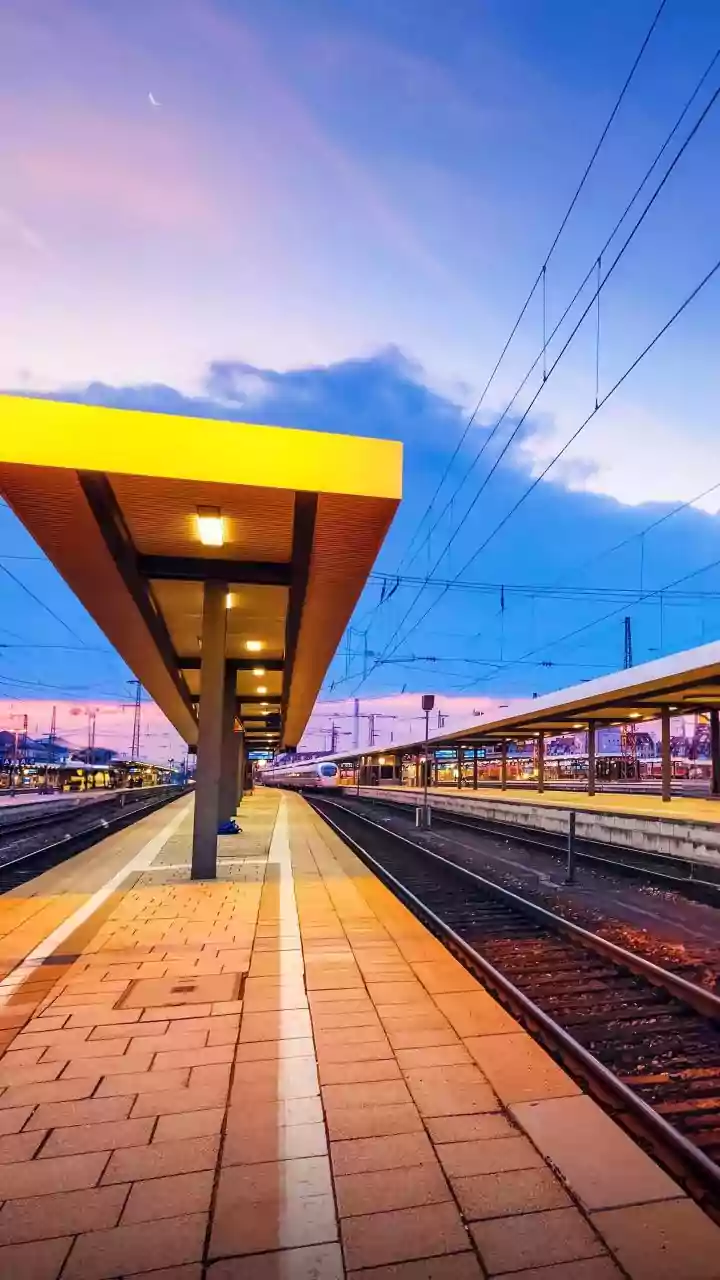
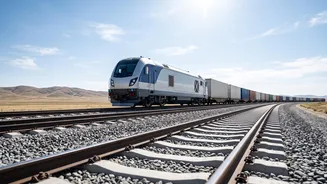
The answer to this decades-old problem is the Dedicated Freight Corridor (DFC) project. As of September 2026, the Western Dedicated Freight Corridor (WDFC) is now fully operational. This 1,506-km high-capacity, electrified railway line runs from Dadri near Delhi directly to Jawaharlal Nehru Port (JNPT) in Navi Mumbai. It is, in simple terms, a dedicated highway for goods trains. By creating a completely separate path for freight, the DFC removes goods trains from the existing passenger network, freeing up the tracks for what they are most needed for in a city like Mumbai: moving people.
Unlocking Capacity for Commuters
The single biggest benefit of the WDFC for Mumbai is the massive release of track capacity. With freight traffic shifted to its own dedicated corridor, the existing railway lines are now available for expanding suburban services. This allows railway authorities to introduce more local trains, increase the frequency of existing services, and improve punctuality. The Mumbai Railway Vikas Corporation (MRVC) is already planning the next phase of the Mumbai Urban Transport Project (MUTP), which includes adding new lines, extending platforms for longer 15-car trains, and introducing more air-conditioned rakes. These crucial upgrades are only possible because the DFC has cleared the way, literally. Without it, adding more local trains would just add to the existing bottleneck.
Beyond the Daily Commute
The impact of the DFC extends far beyond a more comfortable train ride. Economically, it's a game-changer. Faster, more reliable goods movement to and from JNPT, one of India's busiest ports, reduces logistics costs for businesses. This makes industries in and around the Mumbai Metropolitan Region more competitive. By enabling double-stack container trains to run at higher speeds, the WDFC significantly improves supply chain efficiency, which can help control inflation and boost economic growth. Environmentally, shifting freight from diesel-powered trucks and trains to an electrified rail corridor helps reduce carbon emissions, contributing to cleaner air. This single infrastructure project, therefore, delivers a triple benefit: easing commuter woes, boosting the economy, and promoting sustainability.