

The End of a Landmark Era
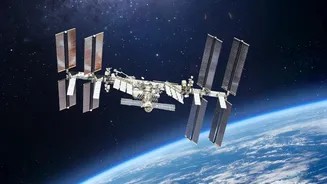
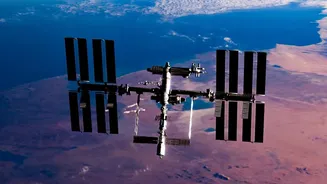
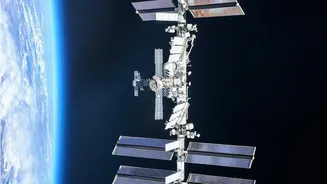
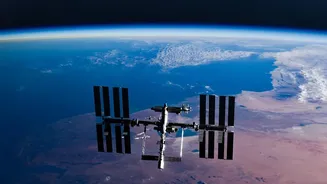
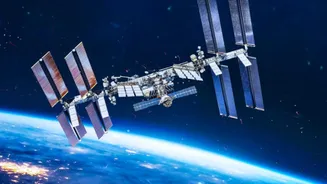
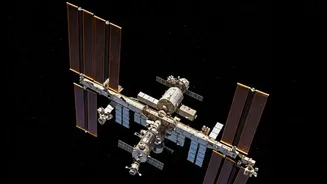
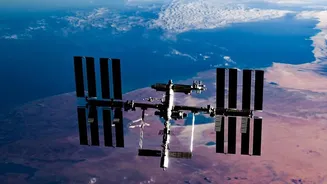
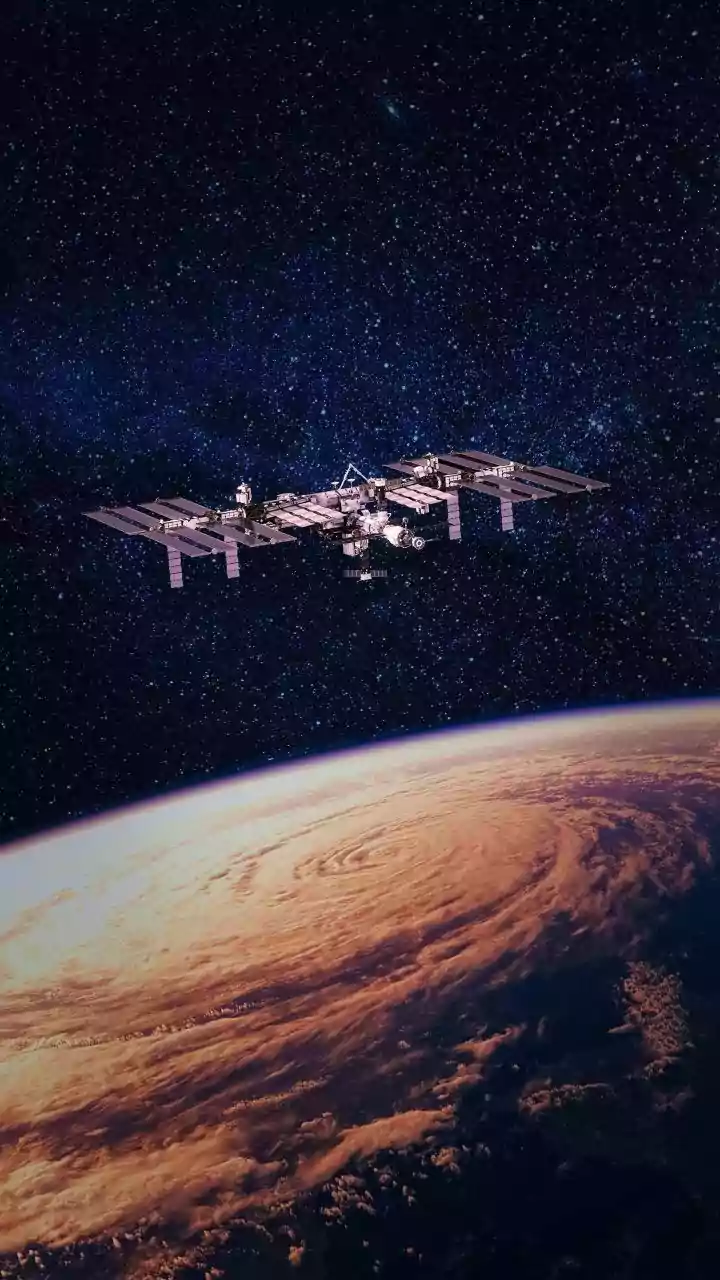
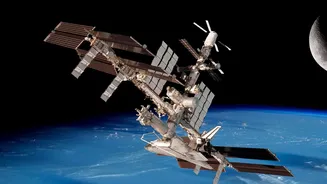
Since November 2000, the International Space Station has been continuously inhabited, serving as a unique laboratory in low Earth orbit (LEO). It has hosted astronauts from dozens of countries and enabled groundbreaking research in fields from medicine
and materials science to astronomy. But the aging orbital outpost is showing its wear, and its international partners have agreed to deorbit the station around the end of this decade. Rather than build a government-funded successor, NASA is spearheading a transformative new strategy: turn to the private sector.
NASA's Strategic Shift: From Owner to Customer
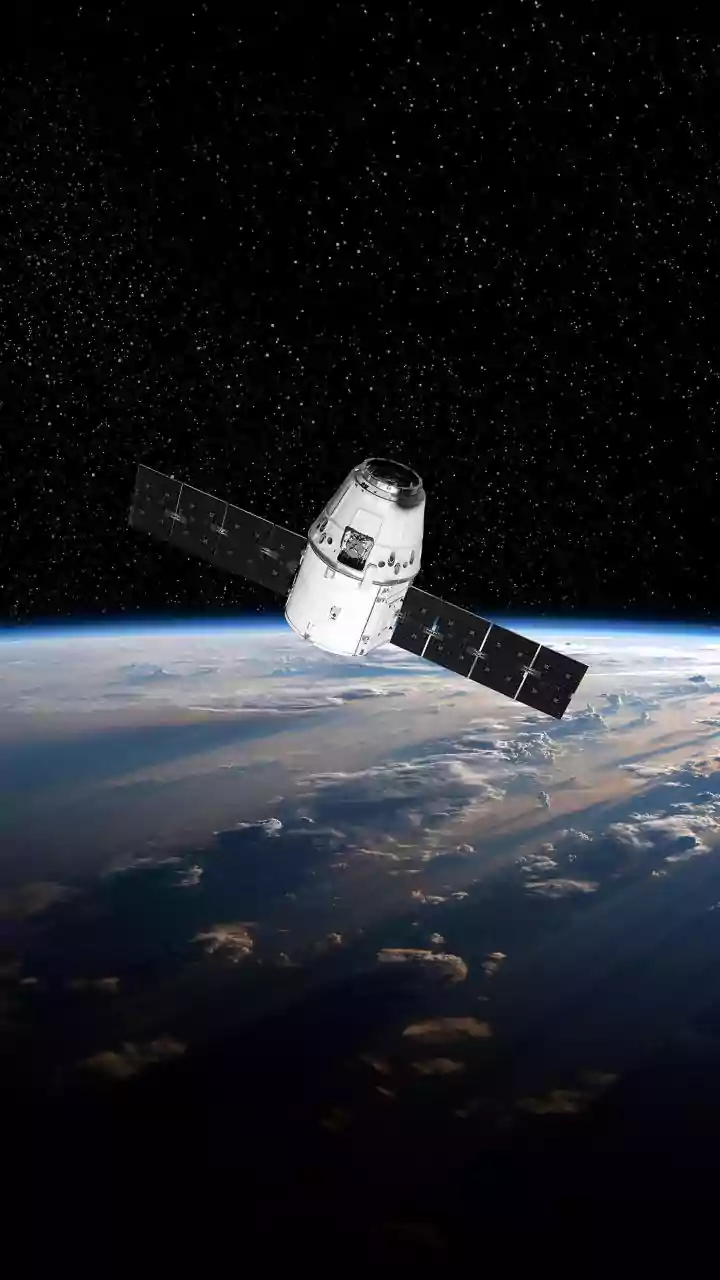
NASA's plan is to transition from being an owner and operator of a space station to becoming just one of many customers. Through its Commercial Low Earth Orbit Destinations (CLD) program, the agency is providing funding and technical expertise to several private companies to help them develop their own space stations. This model is based on the success of its commercial cargo and crew programs, which used companies like SpaceX to resupply and transport astronauts to the ISS, saving costs and stimulating a new market. By becoming a reliable anchor tenant for these future commercial outposts, NASA ensures its astronauts and researchers will have continued access to space without bearing the full cost of ownership.
The Race to Build the Future in Orbit
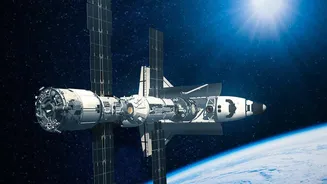
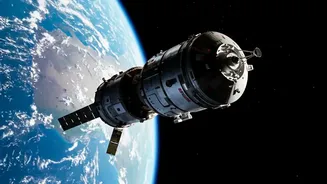
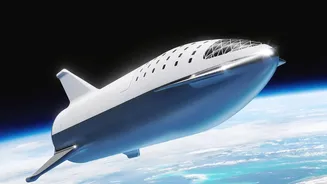
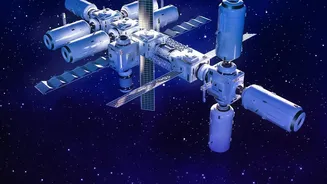
Several key players are leading the charge to build the successors to the ISS. Axiom Space is taking a unique approach by first building modules that will attach to the ISS. These modules will eventually detach to form a free-flying independent station, Axiom Station, with the first module launch planned for 2027 and a free-flying capability by 2028 or 2029. Another major contender is Orbital Reef, a joint venture from Blue Origin and Sierra Space, envisioned as a "mixed-use business park in space" that can host science, manufacturing, and even tourism. Meanwhile, Starlab, a project from Voyager Space and Airbus, is developing a station with a large habitat and advanced laboratory, aiming for a single launch aboard a super heavy-lift rocket around 2029. Vast, a newer player, aims to launch its smaller Haven-1 station as early as 2027.
Unlocking New Frontiers for Innovation
This commercial transition promises more than just a replacement for the ISS; it represents an expansion of possibilities. Private stations are being designed from the ground up to serve a diverse client base. This opens the door for pharmaceutical companies to develop new drugs in microgravity, for tech firms to manufacture novel materials like flawless fiber optics, and for a host of other industries to conduct proprietary research without the constraints of a government-run facility. By lowering the cost of access and providing more frequent flight opportunities, these commercial platforms are expected to accelerate the pace of innovation and create a robust LEO economy.
Challenges and the Dawn of a New Economy
The path forward is not without challenges. Timelines for these ambitious projects have shifted, and ensuring there is no gap in U.S. human presence in orbit after the ISS retires is a critical concern. There was even a brief period in early 2026 when NASA questioned the commercial business case, before industry pushback reaffirmed the original strategy of supporting free-flying commercial stations. However, the commitment from both NASA and the private sector remains strong. These companies are not just building laboratories; they are creating the foundational infrastructure for a future where living and working in space is a routine part of the human experience. The success of these ventures will determine whether low Earth orbit evolves from a government-run frontier into a thriving, self-sustaining ecosystem of science and commerce.