


The Ancient Art of Fermentation
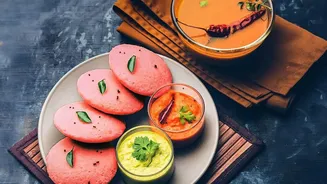
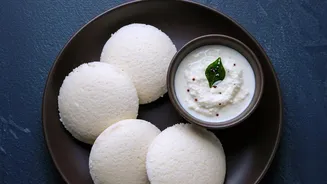
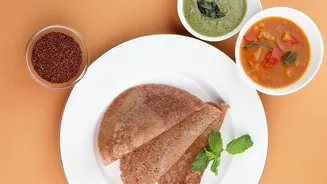
For centuries, the practice of soaking, grinding, and leaving a batter of rice and lentils to rest overnight has been central to South Indian cuisine. This isn't just a waiting game; it's a transformative process called fermentation. At its core, fermentation uses
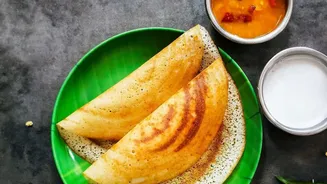
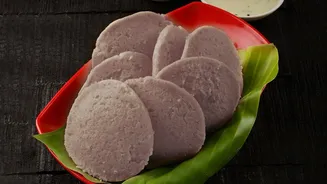
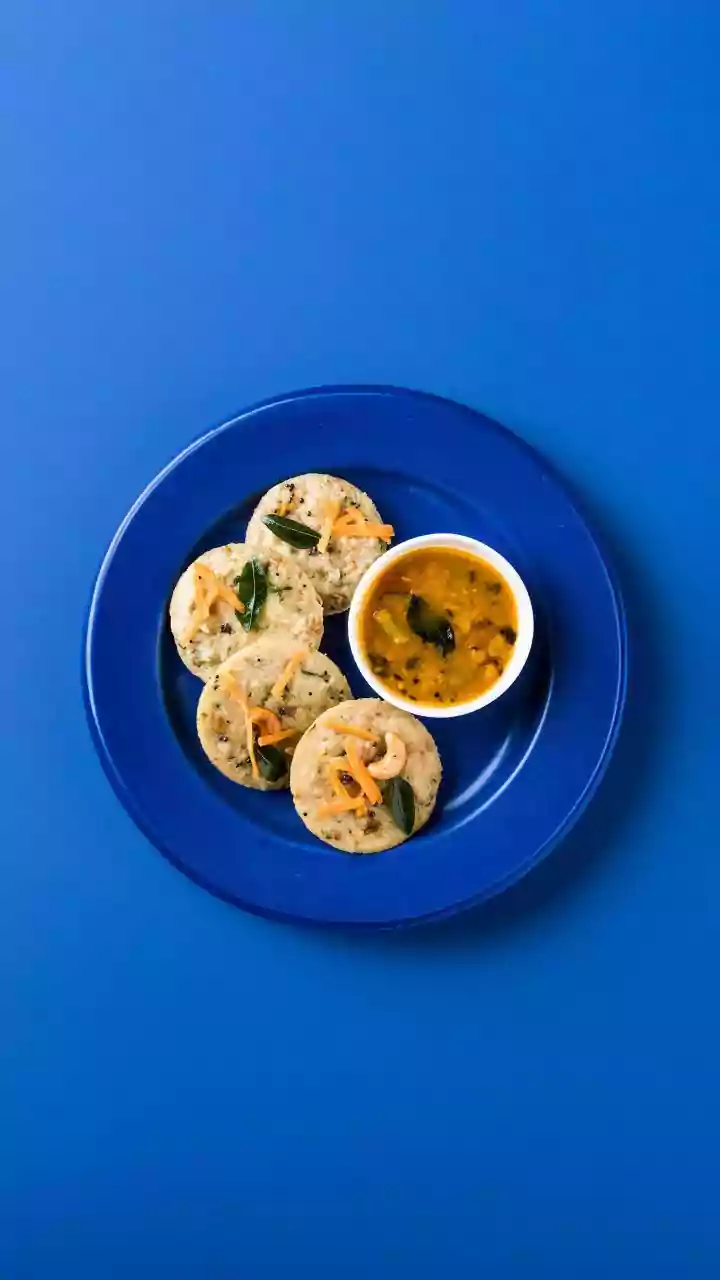
beneficial microorganisms, like bacteria and yeast, to break down complex components in food. In the case of idli and dosa batter, naturally occurring microbes on the surface of the grains, particularly urad dal (black gram), kickstart this process. As these microbes feast on the starches and sugars, they produce lactic acid and carbon dioxide gas. The gas causes the batter to rise, creating the light, airy texture of idlis, while the lactic acid imparts a characteristic subtle sourness and helps preserve the batter.
Meet the Microbial Powerhouses
The stars of this fermentation show are Lactic Acid Bacteria (LAB). Genera like Lactobacillus, Leuconostoc, and more recently identified Weissella, are the primary workers. These are the same types of 'good bacteria' celebrated as probiotics. When you consume foods made from a properly fermented batter, you are introducing these beneficial microbes to your digestive system. Research indicates that idli and dosa batter is teeming with these microorganisms, which can help balance the good and bad bacteria in your gut. A healthy gut microbiome is the foundation of good digestion, preventing issues like bloating and indigestion. While the intense heat of steaming kills the live bacteria in cooked idli, the benefits don't disappear entirely. The food remains a potent 'prebiotic' and contains 'postbiotic' compounds.
Unlocking Superior Digestion and Nutrients
The magic of fermentation lies in its ability to 'pre-digest' your food. The bacteria break down complex carbohydrates and proteins into simpler, more easily absorbable molecules. This means your digestive system doesn't have to work as hard, making foods like idli incredibly easy on the stomach. Furthermore, fermentation neutralises 'anti-nutrients' like phytic acid, which are naturally present in grains and legumes. Phytic acid can bind to minerals like iron, calcium, and zinc, preventing your body from absorbing them. By breaking down this compound, fermentation makes these essential minerals more bioavailable. Studies have also shown that the fermentation process can increase the content of essential B vitamins, including B12, folic acid, and riboflavin.
Beyond the Classics: A Fermented Feast
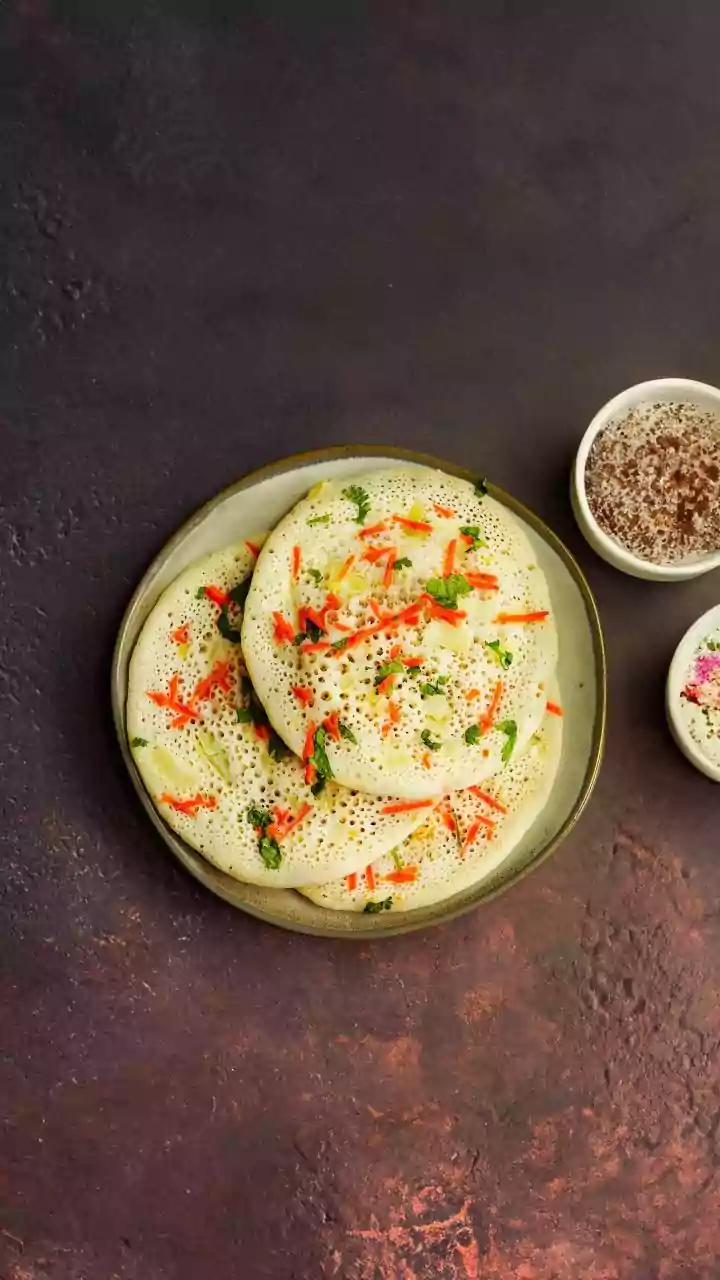
While idli and dosa are the most famous examples, the tradition of fermentation runs deep throughout South India. Appam and kallappam use a fermented batter of rice flour, sometimes with coconut, to create a soft, lacy pancake. Curd rice (thayir sadam) and spiced buttermilk (neer mor) are staples that use the fermentation of dairy to deliver probiotics that soothe the digestive system. Another traditional gem is fermented rice, known as Pazhaya Sadam in Tamil Nadu or Pakhala Bhaat in Odisha. Soaking cooked rice in water overnight allows for natural fermentation, creating a dish rich in probiotics that has been shown to support gut health and even boost immunity. These dishes show how culinary heritage has intuitively harnessed microbial power for both flavour and function.
More Than Just a Gut Feeling
The benefits of these fermented foods extend beyond digestion. A healthy gut microbiome, supported by a diet rich in fermented foods, is linked to a stronger immune system, as a significant portion of our immune cells reside in the gut. By strengthening the gut lining, these foods help prevent harmful pathogens from entering the bloodstream. Some research also suggests that regular consumption of fermented foods can help regulate inflammation and support a healthy metabolism. For those managing blood sugar, the low glycemic index of foods like idli makes them a beneficial choice, providing sustained energy without sharp spikes in glucose levels.