



What Is the Shoulder Season?
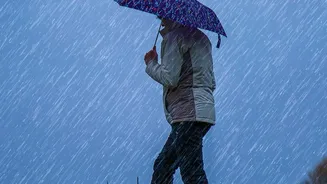
Think of the shoulder season as the sweet spot in travel. It’s the period nestled just between a destination's chaotic high season and its often-unpredictable low season. For much of India, this translates to the post-monsoon months of September and October,
and the pre-summer window of March and April. These are the times when the weather is turning, the landscapes are lush from recent rains or blooming in spring, and the intense crowds of winter or summer have yet to arrive. It’s not about finding the absolute lowest prices of the off-season, but rather about finding the perfect balance of good weather, fewer people, and better value.
Why Is It Gaining Popularity Now?
Several factors are driving this shift. The traditional travel calendar is becoming less rigid, with travellers no longer waiting for one big annual holiday. Recent data from travel industry leaders shows that September and October have transformed from a quiet period into a significant travel window, spurred by a cluster of festivals and public holidays that allow for easy long-weekend trips. Furthermore, after years of dealing with overcrowded tourist spots, many travellers are now actively seeking more space and authenticity. This shift is also economic; as travel costs rise, the shoulder season offers a welcome respite with more reasonable prices for flights and hotels, often with discounts of 30-50%. This allows a traveller's budget to stretch further, perhaps securing a stay at a boutique hotel that would be prohibitively expensive during peak times.
The Post-Monsoon Window: September to November
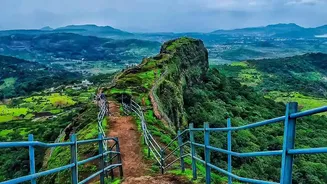
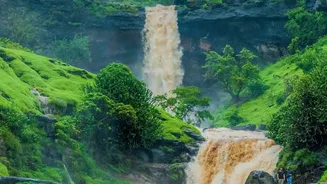
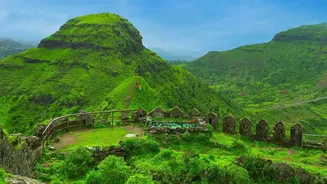
As the monsoon recedes, much of India is left refreshed and vibrantly green, making it an ideal time for nature-focused trips. In the south, Kerala's backwaters are tranquil and lush, while hill stations like Coorg and Munnar are misty and aromatic with blooming flowers and fresh tea leaves. In Rajasthan, cities like Udaipur and Jaipur are pleasant for sightseeing before the peak winter crowds descend. For those seeking adventure, Rishikesh offers thrilling river rafting as the Ganga swells post-monsoon. Up north, this is the last chance to access high-altitude regions like Spiti Valley before winter snows close the roads. It's a period defined by clear skies, comfortable temperatures, and a sense of calm.
The Pre-Summer Window: March to April
This period marks the transition from cool winter to hot summer, offering a final window of pleasant weather in many regions. The hills of Himachal Pradesh and Uttarakhand, including destinations like Shimla and Mussoorie, are beautiful and accessible before the summer holiday rush begins. In Kashmir, spring is a magical time as tulip gardens burst into colour and the valleys come alive. This is also a prime time for wildlife spotting in national parks like Ranthambore and Kaziranga, as animals are more likely to be seen near water sources before the intense summer heat sets in. In the south, hill stations like Ooty and Kodaikanal offer a cool escape with blooming flowers and scenic beauty.
The Smart Traveller's Advantage
Opting for the shoulder season is about more than just saving money. It’s about experiencing a destination on your own terms. With fewer tourists, you can immerse yourself in the local culture more deeply, from enjoying a quiet morning at a famous monument to having a more personal interaction at a local eatery. However, it’s wise to plan ahead. While crowds are smaller, the rising popularity of shoulder season means booking flights and unique homestays in advance is still recommended. The weather can also be transitional, so packing layers is always a good idea. Ultimately, the trade-off for a little unpredictability is a more relaxed, authentic, and often more memorable journey.