


The Air Quality Question
For decades, the idea that indoor plants are powerful air purifiers has been a widely accepted piece of common knowledge. This belief stems largely from a landmark 1989 NASA study which found that plants in sealed chambers could remove volatile organic
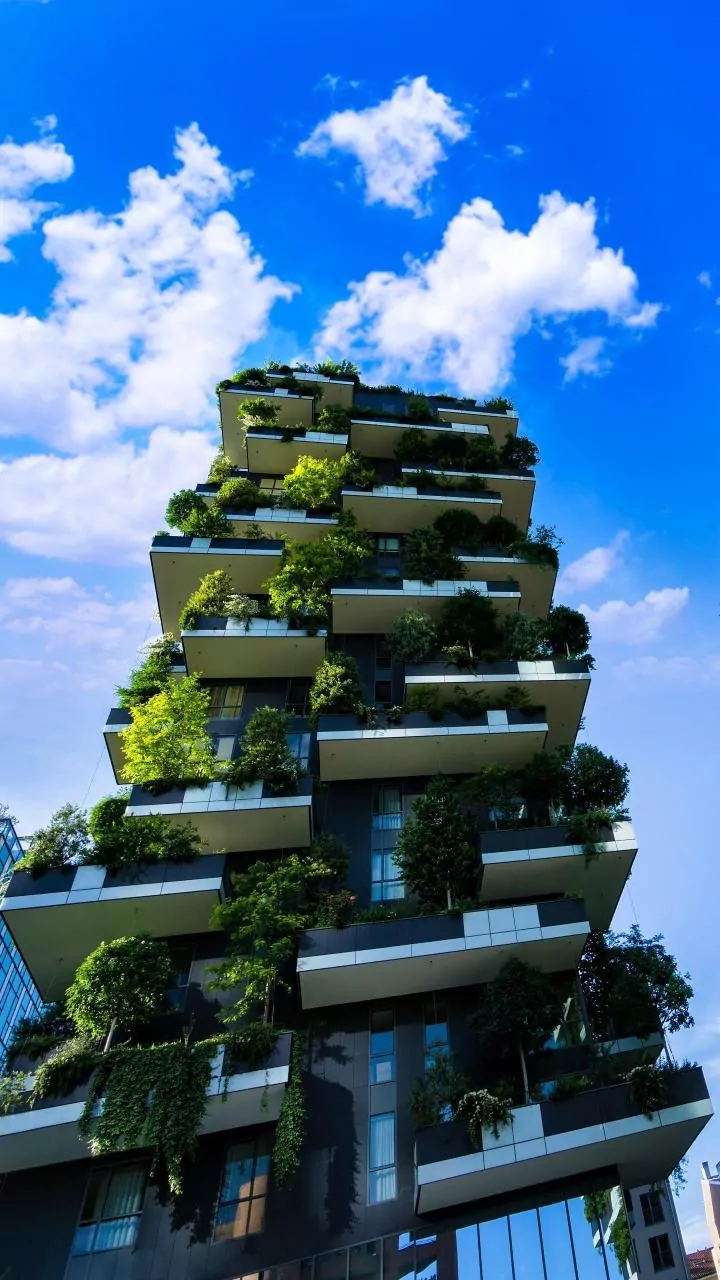
compounds (VOCs) like formaldehyde and benzene from the air. However, modern research has added significant context to these findings. A 2019 review of decades of research concluded that while plants do absorb pollutants, their effect in a typical home or office is minimal compared to a building's natural ventilation. The original NASA experiments were conducted in small, sealed environments, unlike the dynamic airflow of a real room. To replicate the cleaning power seen in the lab, you would need an impractically large number of plants—anywhere from ten to a thousand per square metre. While some advanced, engineered systems like living walls can have a more noticeable effect on air quality, the average potted plant is not a substitute for good ventilation.
A Boost for Your Brain
Where indoor plants truly shine, according to a wealth of research, is in their psychological benefits. Their presence has been consistently linked to reduced stress, improved mood, and increased feelings of calm and happiness. This connection is rooted in a concept known as biophilia—the innate human tendency to connect with nature. Studies have shown that interacting with plants, even just by having them in your line of sight, can lower levels of the stress hormone cortisol, reduce blood pressure, and slow your heart rate. People simply feel more comfortable and relaxed in environments that contain natural elements. This effect is so pronounced that plants are increasingly being used in office design, where they have been linked to higher productivity, better concentration, and greater job satisfaction. One study found that enriching an office with plants increased productivity by as much as 15%.
More Than Just Good Looks
The influence of indoor plants extends beyond passive viewing. The very act of caring for a plant can be a form of therapy. A 2015 study found that young adults who were given a task of transplanting a plant showed a decrease in blood pressure and reported feeling more at ease compared to those who performed a computer-based task. This hands-on interaction suppresses the body's 'fight or flight' stress response. Furthermore, research suggests that the visual attractiveness of a room significantly affects our mood. Plants, with their varied shapes, textures, and colours, are a simple way to enhance the aesthetic of a space, making it feel more restorative and welcoming. Recent research has also explored how indoor greenery can enrich the indoor microbiome by introducing more environmentally derived microbes, potentially creating a healthier indoor ecosystem.
Choosing the Right Green Companion
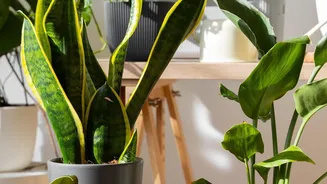
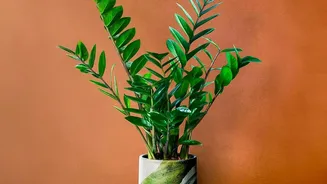
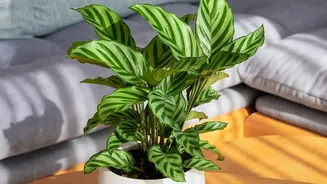
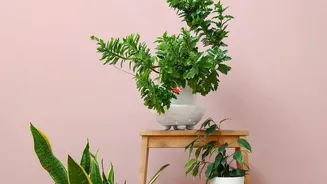
While you may not be able to turn your living room into a pristine air-purified bubble, the psychological rewards are well within reach. To maximize the benefits, consider placing plants in rooms where you spend the most time, such as a home office or living room. The good news is that you don't need an exotic or high-maintenance species to feel the effects. Studies suggest that even small plants with simple green foliage can have a noticeable impact on making people feel happier. For those concerned with air quality, some plants like English Ivy, Peace Lilies, and Snake Plants were identified in the original NASA research as being particularly effective at absorbing certain chemicals in a controlled setting. However, the most important factor is choosing a plant that you enjoy and that thrives in your specific environment, ensuring your green addition is a source of joy rather than stress.