




Why Start With What You Have?
Before you pin a single new sofa or paint swatch, take stock of what’s staying. A moodboard is a visual planning tool meant to bring clarity and direction to your project. Ignoring the existing elements—the floor you aren't replacing, the sofa you love,
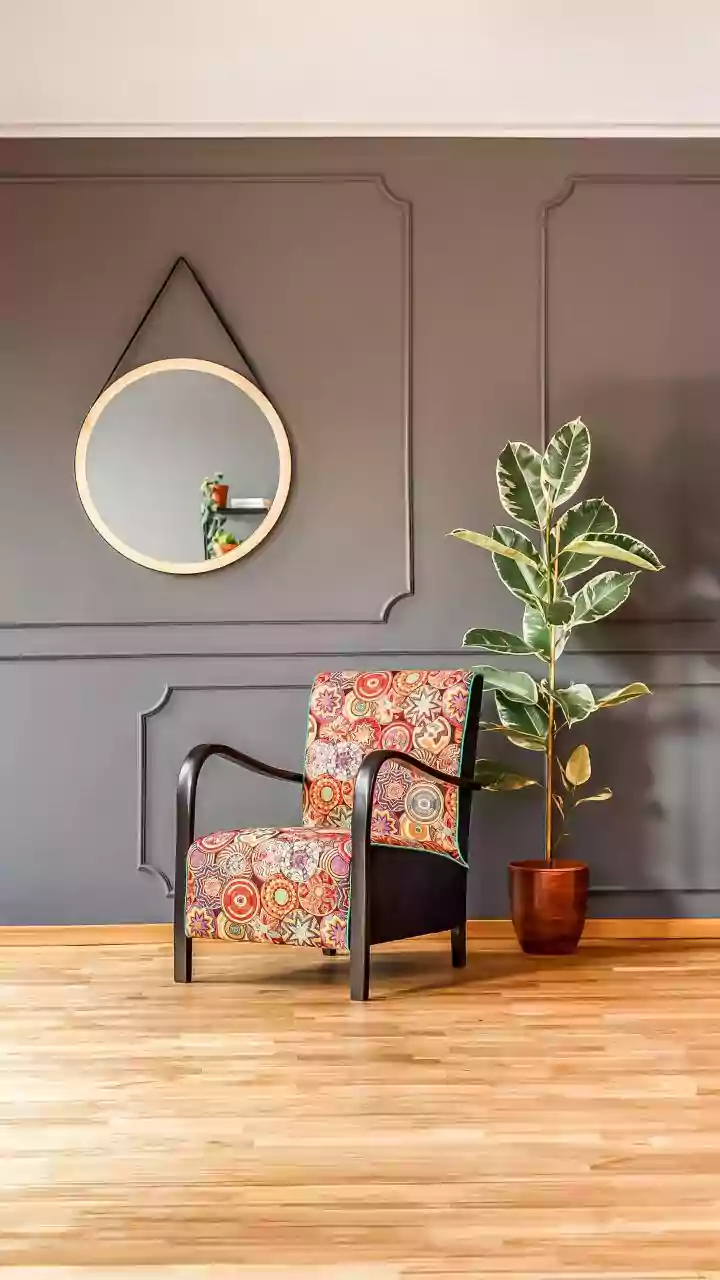
or the heirloom armchair from your grandmother—is a recipe for a disjointed design. Including these items from the very beginning grounds your vision in reality. It ensures that new purchases will harmonise with what you already own, preventing costly mistakes and creating a cohesive, layered look. This approach respects your budget and creates a space that feels authentically yours, blending old and new seamlessly.
Conduct a Thorough Inventory
The first step is to create a detailed inventory. For each item that is staying in the room, take clear, well-lit photographs from multiple angles. Note down the dimensions of larger pieces like sofas, tables, and cabinets. For textiles, try to get a fabric swatch if possible, or at least a close-up photo that accurately captures its colour and texture. Don't forget fixed elements. Take pictures of your flooring, window frames, existing light fixtures, and any architectural details like a fireplace mantel or built-in shelving. This collection of images and notes becomes the foundation of your moodboard, serving as a non-negotiable starting point for every other decision.
Building a Physical Moodboard
A physical or tactile moodboard is excellent for understanding how textures and colours interact in real life. Start with a foam board or corkboard. Print the photos of your existing furniture and pin them to the board. Then, gather real-world samples. Add a paint chip of your current wall colour if it's staying, or swatches of fabrics from your existing chairs and curtains. Having these tangible pieces allows you to hold a new fabric sample or paint colour up against what you already have, giving you a much more accurate sense of how they will look together than a screen can provide. It turns the abstract idea of your room into something you can see and touch.
Creating a Digital Moodboard
Digital moodboards offer flexibility and are easy to edit and share. Tools like Canva, Pinterest, or even simple presentation software can be highly effective. Create a new board or slide and start by uploading the photos of your existing furniture and fixtures. Many tools allow you to remove the background from these images, which helps you place them on a new background colour or alongside other items more cleanly. You can then browse retailer websites and save images of potential new items—rugs, lamps, artwork—and layer them into your digital collage. This allows you to quickly swap options in and out to see how they pair with your foundational pieces before you commit to a purchase.
Let the 'Givens' Guide Your Choices
With your existing items firmly in place on your board, they can now act as a guide. Does your current sofa have a warm or cool undertone? That should influence your new colour palette. Is the wood on your bookshelf dark and traditional? Perhaps a modern, metallic lamp would create a compelling contrast. Use the pieces that are staying to inform the scale, style, and colour of everything new. This process helps you make intentional choices, ensuring that each new addition doesn't just fill a space, but actively complements the items you already have and love. A moodboard built on this principle is more than just a collection of nice ideas; it's a practical roadmap to a beautiful, cohesive, and realistically achievable space.