



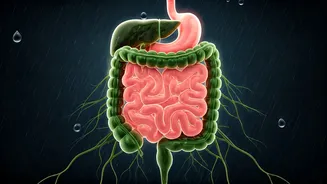




The Monsoon Health Challenge
The rainy season creates a perfect storm for illness. High humidity and moisture in the air allow bacteria, viruses, and fungi to thrive and multiply rapidly. [13, 14] Waterlogging can lead to the contamination of municipal water supplies, increasing
the risk of water-borne diseases like typhoid, cholera, gastroenteritis, and hepatitis A. [8, 18] This is also the prime breeding season for mosquitoes, which spread vector-borne diseases such as malaria and dengue. [5, 8, 11] Furthermore, the damp conditions weaken our digestive system, making us more susceptible to stomach infections. [15, 17] This combination of environmental factors and compromised immunity means we need to be extra vigilant about what we eat and drink.
Your First Line of Defence: The Home Kitchen
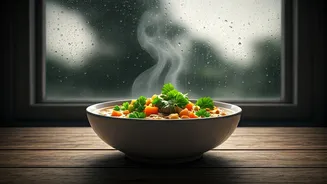
This is where freshly cooked meals become your best form of insurance. When you cook at home, you have complete control over hygiene and ingredients. [4] You can ensure that vegetables are washed thoroughly, potable water is used for cooking, and all surfaces are clean. [3, 22] Eating freshly prepared, hot food is one of the most effective ways to avoid illness. [23, 26] The high temperatures used in cooking kill most harmful bacteria and other pathogens that may be present in raw ingredients. [2] Consuming meals soon after they are prepared prevents the risk of spoilage, which happens much faster in the damp monsoon weather. [4, 26]
The Perils of Eating Out
While the craving for a hot snack on a rainy day is understandable, street food is particularly risky during the monsoon. [13, 19] Vendors often work in open areas where food is exposed to dust, flies, and polluted rainwater. [13] The water used for making chutneys or washing vegetables may be contaminated. [2, 18] Popular items like pani puri, pre-cut fruit salads, and various chaats often contain raw ingredients that can harbour dangerous microbes. [6, 19] Even deep-fried snacks, which might seem safer, can be problematic if the oil is reused or if they are left to cool in the humid air, allowing bacteria to grow. [19]
An Ayurvedic Approach to Monsoon Diet
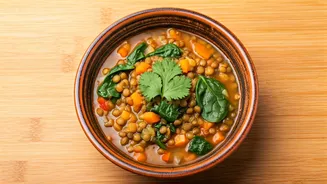
Traditional Indian wisdom, particularly Ayurveda, offers specific dietary guidance for the rainy season. Ayurveda suggests that digestion (Agni) is naturally weaker during this time. [17] To support it, the focus should be on warm, light, and easily digestible meals. [12, 24] It's recommended to include spices like turmeric, ginger, garlic, and cumin in your cooking, as they have immunity-boosting and antimicrobial properties. [4, 21, 23] Warm soups, steamed vegetables, and lentils like moong dal are considered ideal. [7, 12] Ayurveda advises against consuming an excess of leafy green vegetables, which can be difficult to clean, and heavy or cold foods like curd, which can aggravate the system. [7]
Simple Habits for a Healthy Monsoon
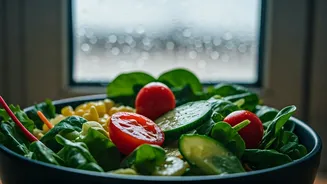
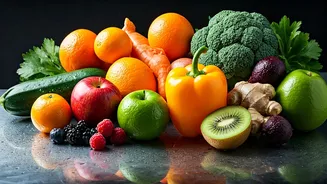
Beyond just eating hot meals, a few simple kitchen practices can make a big difference. Always wash fruits and vegetables thoroughly, perhaps by soaking them in salt or vinegar water for a few minutes. [3, 6] It's best to cook food in smaller batches to be consumed fresh, avoiding leftovers where possible. [3] If you do have leftovers, refrigerate them promptly in airtight containers and reheat them thoroughly until steaming hot before consumption. [10, 21] Ensuring your drinking water is either boiled or properly filtered is non-negotiable. [10] These small but consistent habits provide a strong defence against the common health hazards of the season.