




The Land of Rock and Resilience
The Dang region of Karauli is a landscape of stark beauty, defined by its arid terrain and hardy vegetation. This is not a lush, tropical jungle but a tough, semi-arid forest where life has adapted to challenging conditions. It’s within this environment
that the wild Beri plant, known locally as Jharber, thrives. Identified botanically as Ziziphus nummularia, this thorny shrub grows naturally without any need for farming, irrigation, or fertilisers. It stands as a testament to nature's ability to flourish even in harsh climates, producing a bounty of fruit during the winter months that sustains both the local communities and the area's fauna. This region, part of the larger ecological tapestry of Rajasthan, is home to communities like the Gujjars, who have lived in and around these forests for centuries, developing a profound understanding of its rhythms.
Nature's Small But Mighty Offering
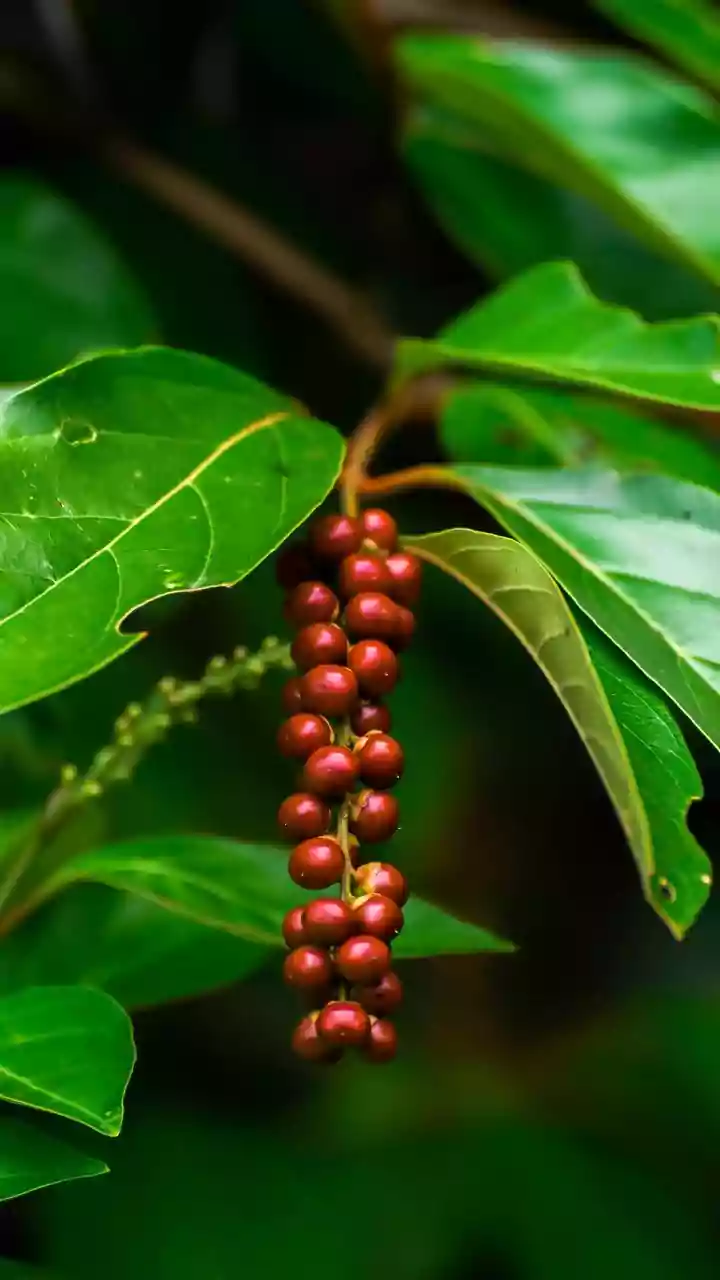
The wild Beri is often affectionately called the 'apple of the forest'. It is a small, berry-like drupe, typically less than a centimetre in diameter, with a distinctive sweet and sour taste. Packed with nutrients, the fruit is celebrated as a powerhouse of Vitamin C and dietary fibre, acting as a natural immunity booster and aiding digestive health. As the fruit ripens under the winter sun, it becomes a highly anticipated seasonal delicacy. But its value extends beyond simple nutrition. The leaves of the Ziziphus nummularia shrub provide excellent fodder for livestock, a crucial resource in a pastoral economy. The plant itself is a survivor, adept at stabilising soil and preventing erosion, playing a quiet but vital role in the health of the local ecosystem.
A Harvest Guided by Ancient Wisdom
The gathering of wild Beri is not a random act but a careful practice governed by traditional ecological knowledge passed down through generations. This wisdom, often held and transmitted by the women of the community, dictates the entire process. Gatherers know precisely when the berries are perfectly ripe and how to navigate the thorny bushes to collect them. The knowledge extends to sustainable harvesting—taking enough fruit while ensuring the plant is not damaged and leaving plenty for wildlife, which also depends on the berries for winter sustenance. This practice is a living example of the symbiotic relationship between the community and the forest. The forest provides for the people, and in return, the people act as its stewards, using their deep-seated knowledge to ensure its resources are managed for the long term.
More Than Just a Fruit
For the local communities, the Beri harvest is an important economic and cultural event. Many women and their families participate in plucking the berries, which are then consumed fresh, dried, or sold in local markets, providing a source of income. The dried and powdered fruit can be mixed with millet flour to make a type of bread or chapati, showcasing its versatility in the local cuisine. Culturally, the fruit holds a significant place, even finding mention in mythological narratives like the story of Mata Shabari's offering to Lord Ram, which symbolizes pure, humble devotion. This connection infuses the fruit with a spiritual significance that elevates it beyond a mere wild food source into a symbol of a simple, nature-based way of life.
Preserving a Fragile Heritage
Like many traditional practices, the art of Beri gathering faces modern pressures. The intergenerational transfer of oral knowledge is vulnerable as younger generations may seek different livelihoods. Furthermore, environmental changes and increasing pressure on forest lands threaten the delicate ecological balance that allows the wild Beri to thrive. The degradation of forest areas can lead to a decline in the availability of wild edible plants, eroding both a food source and a cultural tradition. The story of the Karauli Dang's wild Beri is therefore not just about a fruit, but about the urgent need to recognise and preserve the indigenous knowledge systems that foster sustainable living. These traditions represent a wealth of ecological wisdom that holds valuable lessons in resilience and respect for the natural world.