





Know Before You Go: Digital Reconnaissance
Your most powerful safety tool is the one in your pocket. Before heading out, use real-time traffic apps like Google Maps to check your intended route. These platforms often display alerts for road closures, diversions, and significant waterlogging based
on user reports. Beyond navigation apps, check the social media feeds of local traffic police and municipal corporations. They often provide the most current updates on which underpasses are flooded or which roads are completely blocked. Planning an alternate, safer route from the comfort of your home is far better than being stuck in a jam or, worse, a dangerously flooded street. This simple, two-minute check can save you hours of trouble and significantly reduce your risk.
Is Your Vehicle Monsoon-Ready?
A pre-drive check is non-negotiable during the rainy season. Your life depends on three key systems: tyres, wipers, and brakes. Worn tyres are a primary cause of skidding on wet roads. Ensure your tyres have adequate tread depth—at least 3mm is recommended for better water displacement and grip. Next, inspect your wiper blades. If they leave streaks or make a chattering noise, replace them immediately. Clear visibility is paramount in a downpour. Finally, get your brakes checked. Wet roads increase stopping distances, and brakes that felt fine in dry weather might be less effective when wet. Also, do a quick walk-around to ensure all your lights—headlights, tail lights, and indicators—are working. In low visibility, being seen is as important as seeing.
The Art of Navigating Waterlogged Roads
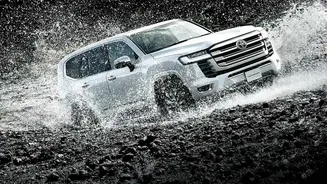
Encountering a flooded street is a common monsoon hazard. The first rule is to assess the depth; if the water seems deeper than the bottom of your car's doors, do not attempt to cross. It’s always safer to turn back. If you must proceed through shallow water, drive slowly and steadily in a low gear. This creates a small wave in front of your car, which helps keep water out of the engine bay. Try to stay in the centre of the road, where the surface is often highest. Avoid sudden acceleration or braking. If your car stalls, do not try to restart the engine, as this can suck water in and cause catastrophic damage known as hydrostatic lock. It's safer to abandon the vehicle and get to higher ground.
Combating Low Visibility and Hydroplaning
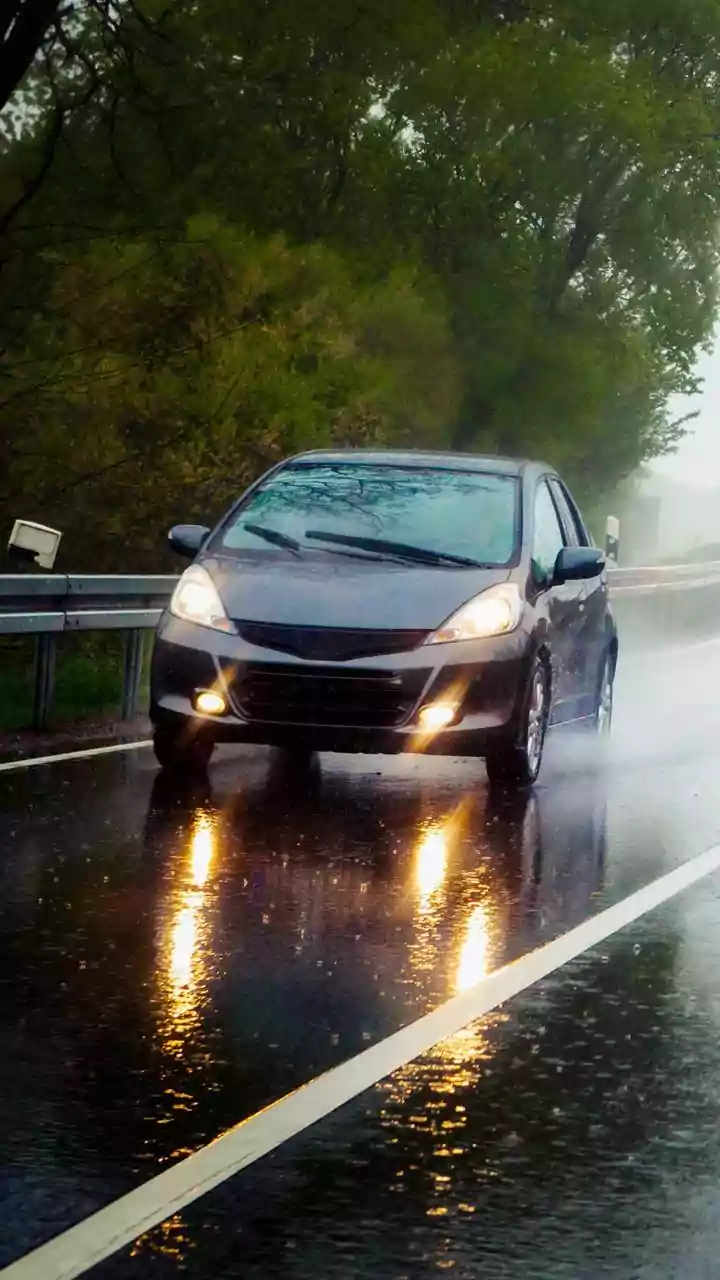
Heavy rain drastically reduces visibility and creates the risk of hydroplaning—where your tyres lose contact with the road and glide on a layer of water. To prevent this, reduce your speed significantly. Never use cruise control in the rain, as you need to be in complete control of your vehicle's speed. Maintain a much larger following distance from the vehicle in front of you to allow for longer braking times. Always drive with your low-beam headlights on to improve your visibility to others. If you feel the car starting to hydroplane, your instinct might be to slam the brakes, but this is the worst thing to do. Instead, ease your foot off the accelerator gently and steer straight until your tyres regain traction.