







Understanding the Core Guidance
Recent communications from the Ministry of Education have reaffirmed a core principle of the Pradhan Mantri Poshan Shakti Nirman (PM POSHAN) scheme, which provides hot cooked meals to students in government schools. The central tenet is that nutritional
outcomes are more important than mandating a rigid, nationwide menu. This means states and Union Territories have the flexibility to decide on their daily menus based on local food habits, cultural preferences, and the availability of ingredients. The 'latest update' is less about a new rule and more a reinforcement of this existing policy, empowering local authorities to make practical decisions while adhering to strict national standards. The goal is to ensure that no child misses a nutritious meal due to the temporary unavailability of a specific food item.
What Makes a Replacement 'Equivalent'?
The concept of an 'equivalent' replacement is rooted in clear, measurable nutritional standards set by the central government. For children in primary classes (I-VIII), a meal must provide approximately 450 calories and 12 grams of protein. For upper primary students, the target is higher: 700 calories and 20 grams of protein. Therefore, any substitution must meet these non-negotiable benchmarks. For instance, if eggs are unavailable or not part of the local diet, a state can replace them with other protein-rich foods like milk, paneer, soybeans, or an increased quantity of pulses to meet the protein requirement. The focus remains squarely on delivering the promised nutritional value, regardless of the specific components of the meal on any given day. This ensures the foundational health benefits of the scheme are always preserved.
Why This Flexibility Is Crucial
Allowing for ingredient substitution is a practical response to the diverse challenges faced across India. It helps insulate the meal program from supply chain disruptions, seasonal price fluctuations, and regional shortages. For example, if the cost of a particular vegetable spikes in one area, schools can substitute it with a more affordable, locally available, and nutritionally similar alternative without compromising the meal's quality. This approach also promotes dietary diversity and prevents menu fatigue among children. Furthermore, it respects local customs. Some states include eggs multiple times a week, while others have vegetarian traditions. The recent reversal of a decision to remove eggs in West Bengal, following feedback from parents and nutritionists, highlights how this flexibility allows state policies to align with community preferences.
A Look at a Standard Meal
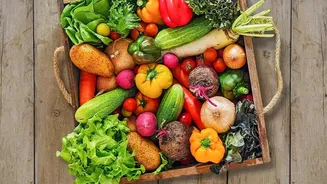
While menus can vary, the PM POSHAN guidelines provide a clear blueprint for the quantity of key food groups. A standard meal for a primary school child should contain around 100 grams of food grains (like rice or wheat), 20 grams of pulses, 50 grams of vegetables, and 5 grams of oil or fat. For an upper primary child, these quantities increase to 150 grams of grains, 30 grams of pulses, and 75 grams of vegetables. States are also encouraged to use fortified staples like iron-enriched rice and double-fortified salt to combat micronutrient deficiencies. Many are also establishing School Nutrition Gardens, using the fresh produce to supplement the meals and provide students with hands-on learning about food and agriculture.
Part of a Broader Health Push
This focus on the quality of school meals is part of a larger, nationwide effort to improve children's health and nutrition. In recent weeks, states like Karnataka and Maharashtra have taken strong measures to ban the sale and promotion of junk food—items high in fat, sugar, and salt (HFSS)—in and around school campuses. These state-level actions, which build on the Food Safety and Standards Authority of India (FSSAI) regulations from 2020, aim to create a healthier overall food environment for students. By simultaneously ensuring the hot cooked meal is nutritious and limiting access to unhealthy snacks, authorities are tackling the dual challenges of undernutrition and the rising tide of childhood obesity from multiple angles.