







The Kharif Lifeline
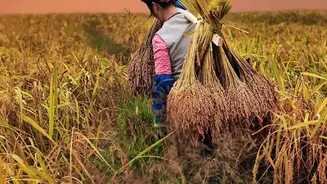
The Kharif season, which typically begins with the onset of the monsoon in June, is critical for India's food security and rural economy. Crops sown during this period, such as rice (paddy), maize, soybean, cotton, and various pulses, are heavily dependent
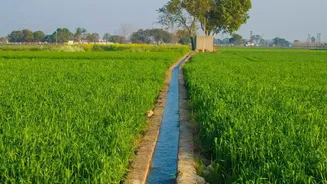
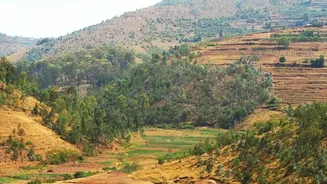
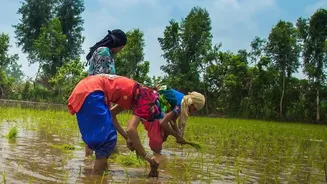
on rainfall. A significant portion of India's agriculture is rain-fed, meaning it lacks access to robust irrigation infrastructure. For millions of farmers, the monsoon is the primary source of water for their fields. The timing and distribution of these rains determine everything from when they can sow their seeds to the ultimate health and yield of their harvest. A strong, well-distributed monsoon revitalises the agricultural sector, while a weak or erratic one can trigger a cascade of negative consequences.
More Than Just Total Rainfall
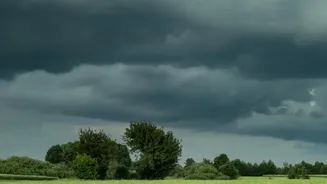
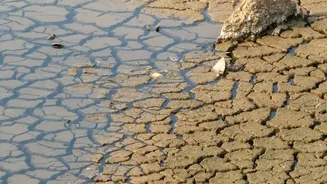
Monsoon 'variability' is a term that goes far beyond a simple deficit in total rainfall. The real risk lies in the monsoon's behaviour. This year, the pattern has been particularly erratic. After a significant rainfall deficit at the end of June, the monsoon has struggled to maintain momentum. The nationwide deficit stood at 12% as of mid-August. However, this national average masks severe regional disparities. Some districts have experienced flooding due to intense, short bursts of rain, while others continue to face drought-like conditions and prolonged dry spells. Experts emphasise that a few days of heavy rain cannot compensate for weeks of dryness, as soil moisture quickly declines. This uneven distribution is the core of the challenge, creating uncertainty and stress for crops at critical growth stages.
Risks on the Ground
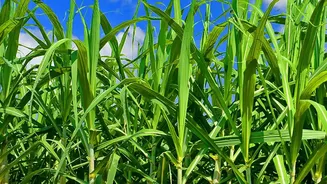
The tangible impacts of this variability are being felt in farms across the country. As of August 14, 2026, the total area sown with Kharif crops was about 2% lower than the previous year. Rice acreage was down by 3.7%, and maize by 4%. With the sowing season now virtually over, the focus shifts from acreage to yield. Crops like soybean, maize, and paddy are entering growth phases where consistent moisture is essential for development. Prolonged dry spells during this period can lead to moisture stress, hurting flowering and grain formation, which directly reduces the final output. For example, rain-fed rice is vulnerable during its tillering and grain-filling stages, while cotton faces risks from both dry conditions and waterlogging from sudden downpours.
The Broader Economic Ripple Effect
The fate of the Kharif harvest has implications that extend far beyond the farm gate. A poor harvest can lead to lower agricultural output, which in turn fuels food price inflation, affecting household budgets across the nation. Rural income is directly tied to crop performance, so a weak season reduces the purchasing power of a vast segment of the population. This has a knock-on effect on demand for goods and services, from fast-moving consumer goods to tractors and two-wheelers. Furthermore, a stressed agricultural sector can increase the number of non-performing assets (NPAs) for banks, as farmers may struggle to repay loans. The government also faces pressure, with potential needs for increased subsidies, relief packages, and imports to stabilise food supplies.
Adapting to a New Normal
The increasing frequency of erratic monsoons, influenced by phenomena like El Niño, suggests a long-term trend. In response, the government has been advising farmers to adapt by using short-duration and drought-tolerant crop varieties. Promoting crop diversification and intercropping helps hedge against the failure of a single primary crop. In the long run, building resilience requires a multi-pronged approach. This includes expanding micro-irrigation, improving water conservation practices, and leveraging technology for better weather forecasting and advisories to help farmers make informed decisions. These strategies are becoming essential tools, not just optional extras, to navigate the unpredictability of future monsoon seasons.