





Embrace Moderation, Not Deprivation
The thought of navigating a festive spread can feel daunting for the health-conscious. The good news is that you don't have to completely avoid your favourite gulab jamuns or crispy samosas. Nutrition experts agree that a few days of indulgence won't
derail a healthy lifestyle, especially if your eating habits are balanced throughout the rest of the year. The goal is to shift from an all-or-nothing mindset to one of mindful enjoyment. Instead of banning certain foods, focus on savouring smaller quantities. This approach allows you to partake in the cultural and social joy of food without overdoing it. Remember, the pleasure of a treat often comes in the first few bites, so eating slowly and intentionally can bring satisfaction from a smaller amount.
The Power of the Plate Method
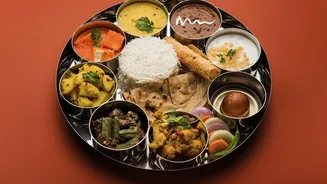
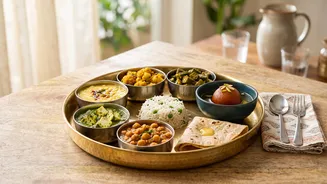
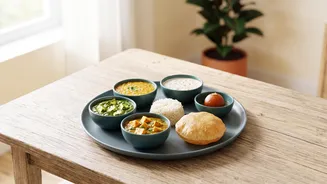
A simple and effective strategy for any buffet or thali is to structure your plate consciously. Nutritionists suggest a balanced plate rule to manage festive meals without feeling deprived. Aim to fill half of your plate with vegetables or a fresh salad first. These high-fibre options help you feel full and provide essential nutrients. Dedicate one-quarter of the plate to a protein source like dal, chana, paneer, or lean meat. Protein increases satiety, which helps prevent overeating. The final quarter can be for carbohydrates such as rice, roti, or pulao. By building your plate this way, you ensure a balanced intake and naturally limit the space for heavier, fried items.
Use Your Hands as a Guide
You don’t need a measuring cup or a weighing scale to manage portions effectively. Your own hand can be a surprisingly accurate and convenient tool. A common guideline for a single serving of cooked rice or other grains is what fits in your cupped hand, or about the size of your fist. A portion of protein like dal or paneer should be roughly the size of your palm. For fats like ghee or oil, a serving is about the size of the tip of your thumb. Using these visual cues makes it easier to gauge appropriate amounts, whether you're at home or a guest at a large gathering, helping you stay mindful without complex calculations. This method of intuitive eating can naturally help regulate your intake.
Navigating Sweets and Snacks Sensibly
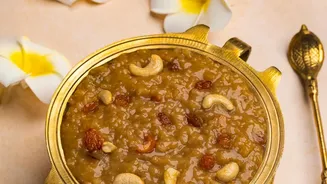
Festive snacks and sweets are often the biggest challenge. Instead of grabbing every item on the table, be selective. Choose one or two of your absolute favourites and commit to savouring them slowly. When it comes to snacks, opting for baked or roasted versions over deep-fried ones can make a significant difference. If you're hosting, consider preparing sweets with natural alternatives to sugar like jaggery or dates. Another simple trick is to have a small, healthy snack like a handful of nuts or a piece of fruit before heading to a party. Arriving slightly full can curb the urge to dive into the first plate of fried pakoras you see.
Hydrate and Eat Mindfully
Thirst is often mistaken for hunger, so staying hydrated is crucial. Sipping water, buttermilk, or coconut water throughout the day can prevent unnecessary snacking and help flush toxins from your system. When it's time to eat, practise mindful eating. Avoid distractions like your phone or the television and focus on the food itself—its aroma, texture, and taste. Chew slowly, as it takes about 20 minutes for your brain to register that you're full. This simple practice not only enhances your enjoyment of the meal but also gives your body time to send fullness signals, which is one of the most effective ways to prevent overeating.