
Taming the Data Deluge
Modern astronomy is a science of big data. Telescopes like the Vera C. Rubin Observatory in Chile are set to capture staggering amounts of information, generating around 20 terabytes of data every single night. To put that in perspective, its 10-year
survey will produce a data archive of about 500 petabytes, an amount comparable to all written works in human history. It is simply impossible for astronomers to manually sift through this cosmic haystack. AI algorithms are becoming essential partners, capable of processing and analysing these vast datasets at speeds no human team could ever hope to match. They are the tireless assistants that allow scientists to focus on interpretation and discovery rather than getting lost in the noise.
The Hunt for New Worlds
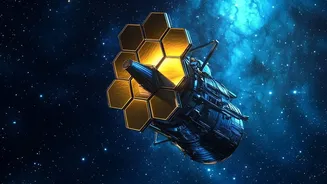
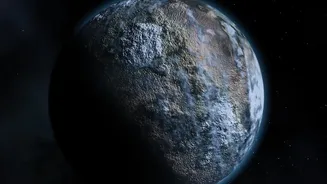
One of the most exciting frontiers in astronomy is the search for exoplanets—planets orbiting stars other than our own. These distant worlds are often found by detecting the tiny, periodic dip in a star's brightness as a planet passes in front of it. This signal can be incredibly faint and easily mistaken for other stellar activity. AI, particularly machine learning models known as neural networks, have proven exceptionally skilled at this task. By training on vast amounts of data from missions like NASA's Kepler and TESS, these algorithms learn to distinguish the tell-tale signature of a planet from false alarms, dramatically accelerating the rate of discovery. AI not only finds these planets but also helps scientists characterise their atmospheres and prioritise the most promising candidates for further study with powerful instruments like the James Webb Space Telescope.
Classifying the Cosmos
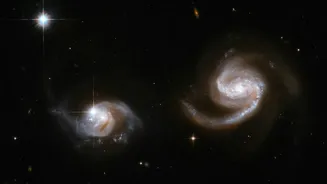
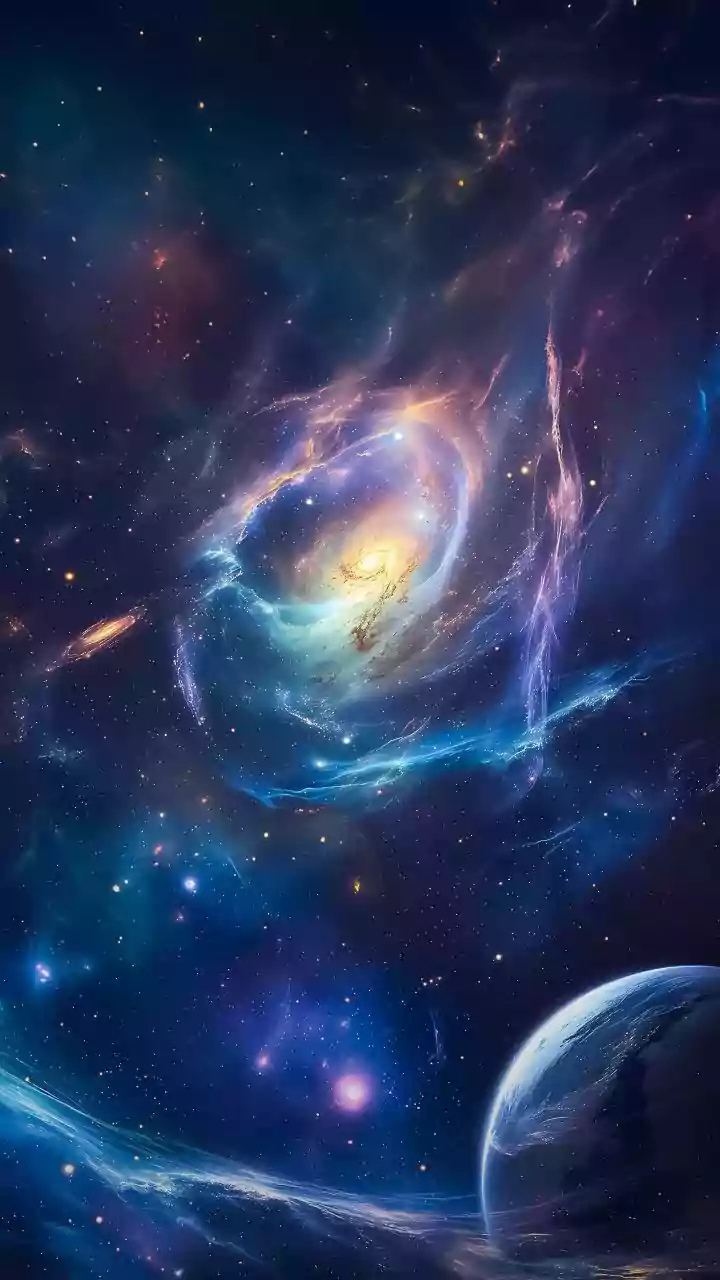
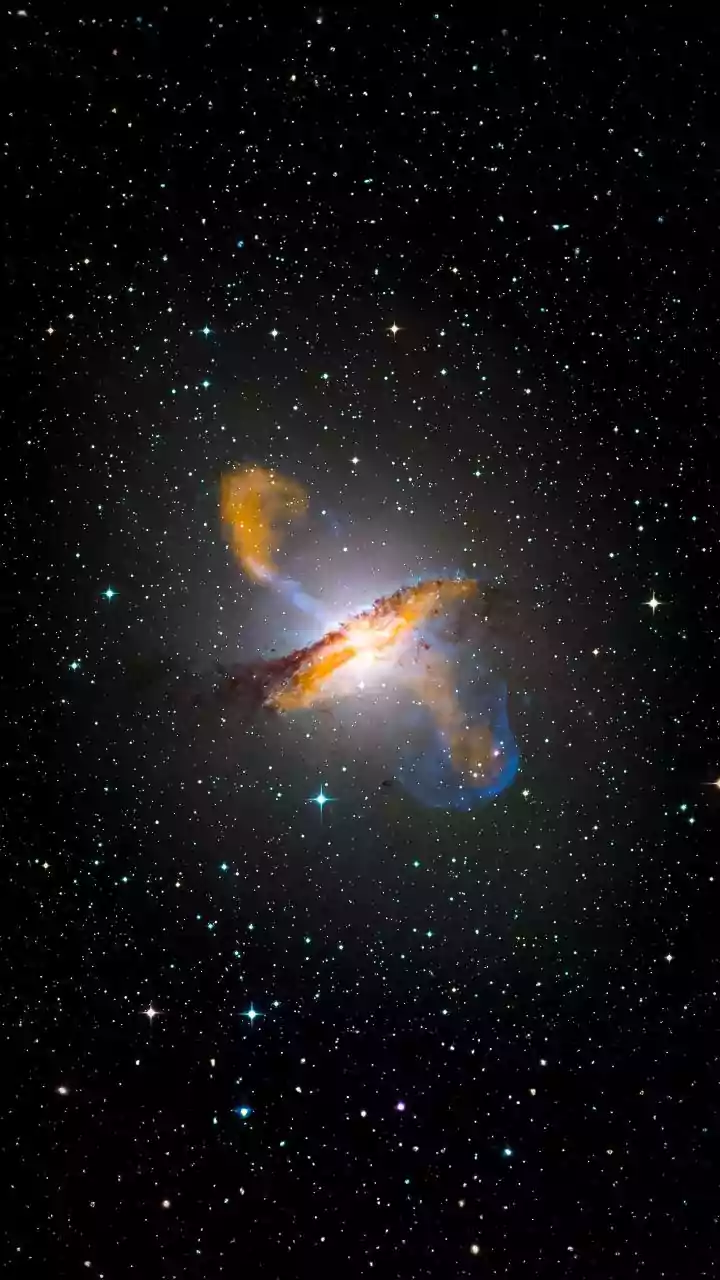
The universe is filled with billions of galaxies, each with its own unique shape and history. Classifying them as spirals, ellipticals, or irregulars is crucial for understanding how they form and evolve. For decades, this was a painstaking manual process. Today, AI has revolutionised galaxy classification. In projects like Galaxy Zoo, data from citizen scientists who classify galaxies by eye is used to train AI models. Once trained, these models can sort through hundreds of thousands of galaxy images with an accuracy rate of over 97%. This human-machine partnership allows astronomers to build massive catalogues that reveal the grand patterns of cosmic structure across billions of light-years.
Spotting the Unexpected
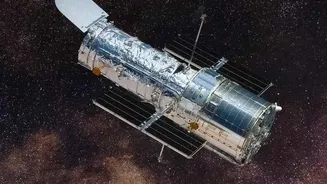
Perhaps AI's most powerful contribution is its ability to find things that scientists weren't even looking for. By training an AI to recognise what is 'normal' in an astronomical image, it can then be tasked with flagging anything that stands out as an anomaly. Recently, astronomers applied an AI model named AnomalyMatch to decades of archived data from the Hubble Space Telescope. In just a few days, it identified over 1,300 cosmic anomalies, including more than 800 that had never been documented. These included bizarre interacting galaxies, rare gravitational lenses, and objects that defy existing classification schemes. This ability to spot the 'weird stuff' opens the door to discovering entirely new astrophysical phenomena that might have otherwise remained hidden in the archives for decades.