






A Strategic Shift in the Indian Cosmos
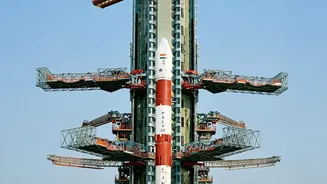
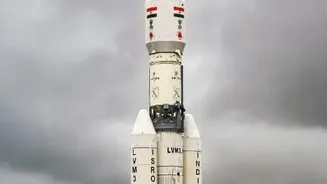
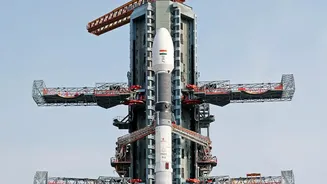
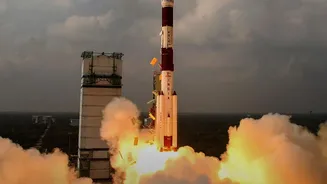
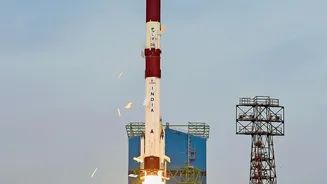
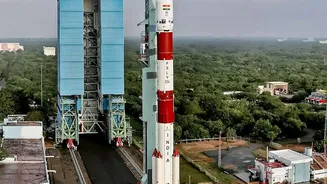
For over fifty years, the Indian Space Research Organisation (ISRO) was the undisputed leader of the nation's space ambitions, earning global acclaim for its cost-effective and complex missions, from reaching Mars to landing on the Moon's south pole.
Private companies were essential, but largely as suppliers of components. This model has now been fundamentally reshaped. In June 2020, the government initiated landmark reforms to open the sector, culminating in the Indian Space Policy of 2023. This policy created a new framework, not to replace ISRO, but to create a vibrant ecosystem where public and private entities collaborate. The goal is to move from an ISRO-centric model to a broader, more dynamic industry capable of capturing a larger share of the global space economy.
IN-SPACe: The New Mission Control
At the heart of this transformation is the Indian National Space Promotion and Authorisation Centre (IN-SPACe). Established as an autonomous single-window agency, IN-SPACe's mission is to promote, authorise, and supervise the activities of non-government entities (NGEs) in the space sector. Think of it as a bridge, connecting private startups with ISRO's vast resources. IN-SPACe facilitates access to ISRO’s world-class testing facilities, shares technical expertise, and streamlines the regulatory path for private missions. This support is crucial, allowing startups to focus on innovation rather than getting bogged down in bureaucracy, dramatically accelerating their development cycles.
Meet the New Titans of Indian Space
This new environment has led to a boom in private space ventures, with over 400 startups now active in India. Companies like Skyroot Aerospace, founded by former ISRO scientists, have already made history by launching India's first privately developed rockets. Agnikul Cosmos is another key player, pioneering 3D-printed rocket engines to make launches more affordable. Beyond launch vehicles, companies like Pixxel are building constellations of earth-observation satellites to provide valuable data analytics, while Dhruva Space offers full-stack space engineering solutions. These companies are not just building hardware; they are creating an integrated commercial ecosystem that covers everything from rocket launches to satellite services.
A Symbiotic Partnership for the Future
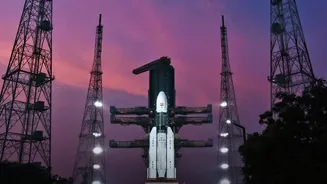
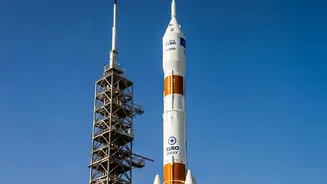
The new policy redefines ISRO's role. Rather than handling every aspect of space activity, ISRO can now transition its mature, operational systems to industry partners for commercial use. This frees up the agency to concentrate on what it does best: pioneering research and development, deep-space exploration, and ambitious national missions like the Gaganyaan human spaceflight program and a planned Indian space station. In this new dynamic, private companies provide the agility, innovation, and commercial drive needed for routine tasks like satellite launches, while ISRO provides the foundational expertise and infrastructure, acting as a mentor and enabler.
The Billion-Dollar Final Frontier
This collaboration is about more than just national pride; it's about significant economic opportunity. India's space economy, valued at around $8.4 billion, currently represents about 2-3% of the global market. With the new policies and the surge in private activity, the government aims to increase India's share to 8-10% by the next decade, with projections suggesting the domestic industry could be worth over $40 billion. To accelerate this, the government has introduced price-support schemes offering subsidies of 30-100% for using launch facilities, accessing ISRO technology, and purchasing satellite data, making the sector globally competitive. This growth will not only come from launches but also from downstream applications in communications, agriculture, disaster management, and navigation that benefit the entire economy.