

The Unquestionable Reign of the Classic Biscuit
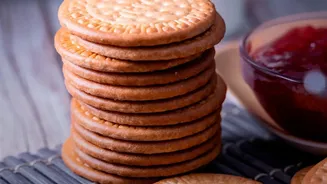
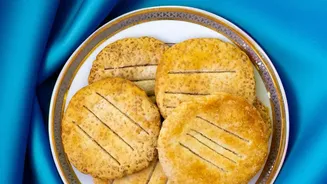
In India, biscuits aren't just a snack; they are a cultural staple. Brands like Parle-G and Britannia have been fixtures in households for decades, representing comfort, affordability, and nostalgia. Parle-G, in particular, has achieved a status few brands
can dream of, becoming the world's largest-selling biscuit by volume. Its success is built on a simple formula: consistency in taste and an almost unbelievable affordability, with its iconic small packs remaining a pocket-money-friendly purchase for nearly three decades. This mass-market dominance is staggering, with biscuits having a market penetration of over 83% in rural India and 94% in urban areas. The value segment of the biscuit market, driven by these low-cost options, accounts for more than half of all sales by volume, proving that for a vast portion of the population, the classic glucose or Marie biscuit is not just a choice, but the default.
The Rise of the Healthy Alternative
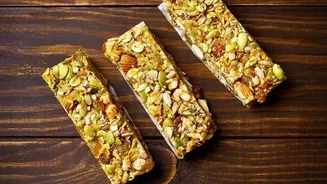
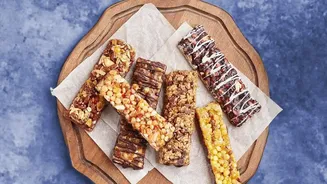
The Indian snack market is in the midst of a significant transformation. A growing awareness around health and wellness is steering consumers, especially in urban areas, towards alternatives that promise more than just taste. The healthy snacks market in India, valued at over USD 3 billion in 2025, is projected to grow steadily, with some estimates predicting a compound annual growth rate (CAGR) of nearly 8% or more in the coming years. This surge is fueled by concerns over lifestyle diseases and a desire for functional foods that offer benefits like high protein and fibre. A 2026 report found that a remarkable 86% of Indians consider protein an important factor when choosing a snack, and 61% prefer natural sweeteners over refined sugar. This has opened the floodgates for products like millet-based chips, makhana (fox nuts), granola bars, and oat-based cookies, which are rapidly gaining popularity.
It’s Not a Simple Replacement
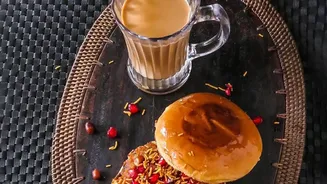
Despite the impressive growth of the healthy snack sector, traditional biscuits are far from being dethroned. The primary reason is a combination of cost and culture. There's a significant price gap between a basic Parle-G pack and a premium health bar or a bag of gourmet nuts. For a large, price-sensitive consumer base, this makes the healthier option an occasional treat rather than an everyday staple. Furthermore, the role of the biscuit is unique. It’s not just a snack but a companion to tea, a ritual deeply embedded in daily life. Healthier alternatives, while growing, often don't fit this specific cultural slot. Taste also remains a critical factor; while consumers want healthier options, they are often unwilling to compromise on flavour, a perception challenge that some healthy snacks still face.
How Legacy Brands are Adapting
The giants of the biscuit world are not standing still. Britannia, Parle, and ITC have astutely navigated this changing landscape by playing on both sides of the field. They continue to push their high-volume, low-cost legacy brands while simultaneously investing heavily in the health and wellness category. Britannia’s NutriChoice range, for instance, has become a formidable player in the healthy biscuit segment. These companies are introducing multigrain, high-fibre, and reduced-sugar versions of their products, directly catering to the health-conscious consumer. By expanding their portfolios, they are ensuring that whether a consumer reaches for a classic glucose biscuit or a digestive oat cookie, the money often ends up in the same corporate pocket. This strategy of diversification shows the market is not a zero-sum game but an expanding universe of choices.