


Choosing Your Statement Plant
The first step is selecting a plant that not only looks stunning but also suits your home's environment. For Indian homes, several tall varieties thrive indoors. The Fiddle Leaf Fig (Ficus lyrata) is a designer favourite, celebrated for its large, violin-shaped
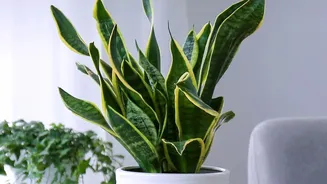
leaves that create a bold architectural statement. Another excellent choice is the Bird of Paradise (Strelitzia nicolai), which offers a lush, tropical feel with its grand, arching leaves. If you desire something more vertical, consider the Snake Plant (Dracaena trifasciata), whose upright leaves are incredibly resilient and air-purifying. For a touch of the tropics, the Areca Palm brings feathery fronds that soften any space. When choosing, consider the light in your room; some plants need bright, indirect sunlight, while others are more tolerant of lower light conditions.
The Art of Strategic Placement
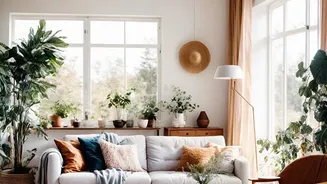
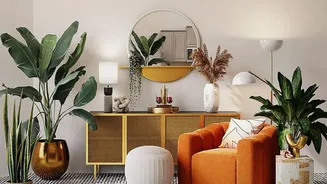
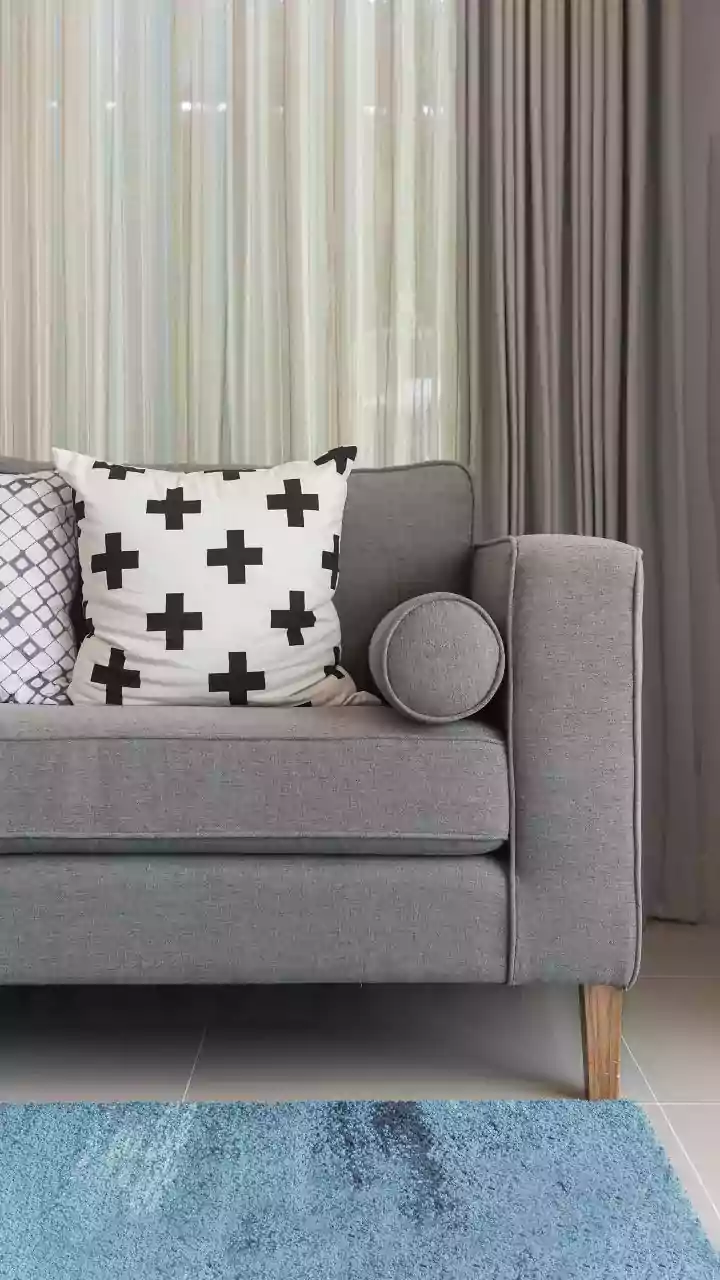
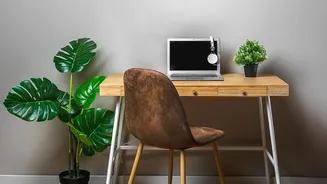
Where you place your plant is just as important as the plant itself. The goal is to create a focal point that draws the eye and anchors the room. An empty corner is a classic and effective location, as a tall plant can soften the sharp architectural lines and make the space feel fuller and more intentional. Placing a large plant next to a major piece of furniture, like a sofa or a desk, helps to frame the area and integrate the greenery into your living space. You can also use two matching tall plants to flank a doorway, a large window, or a fireplace, creating a sense of symmetry and grandeur. The key is to give the plant enough space to be appreciated, turning it into a deliberate design element rather than an afterthought.
Mastering Scale and Proportion
To create a harmonious look, the size of your plant must be in proportion to your room and furniture. A towering plant can make a room with a low ceiling feel taller by drawing the eye upward. In a large, open-plan space, a substantial plant like a Monstera Deliciosa or a mature Ficus can hold its own and prevent the room from feeling empty. Conversely, a plant that's too small for a large space can look lost and insignificant. A good rule of thumb is to ensure the plant and its pot occupy the space confidently without overwhelming it or obstructing pathways. The plant should complement, not compete with, your existing furniture.
The Perfect Pot Completes the Look
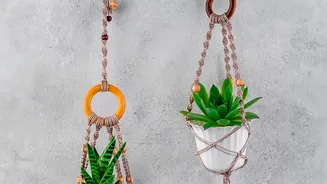
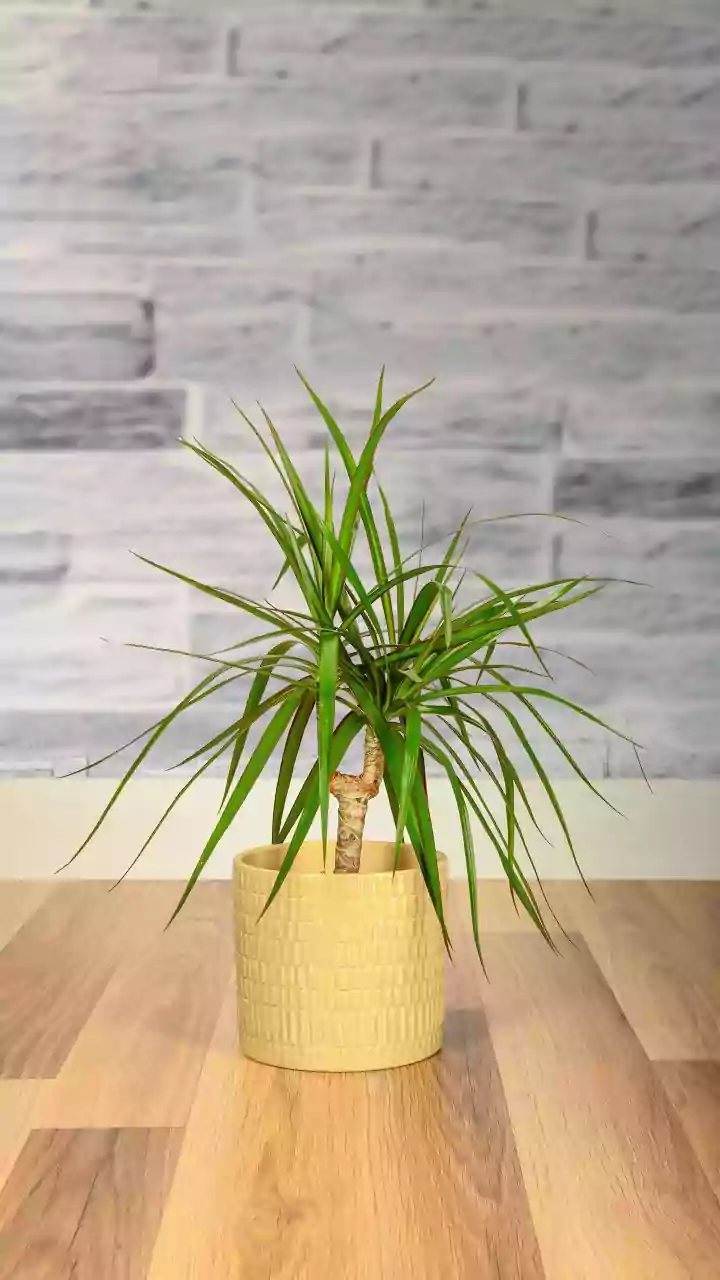
The container you choose is a critical part of the overall aesthetic. The pot is not just a holder; it's a piece of decor in its own right. For a minimalist or modern look, opt for sleek ceramic or metal planters in neutral colours like white, black, or grey. If your style is more bohemian or rustic, a woven basket or a textured terracotta pot can add warmth and organic appeal. It's important to choose a pot that is the right size—generally about 5 to 10 cm wider in diameter than the plant's current pot to allow room for growth without risking root rot from excessive soil. Also, ensure your chosen pot has drainage holes to keep your plant healthy.
Styling the Surrounding Space
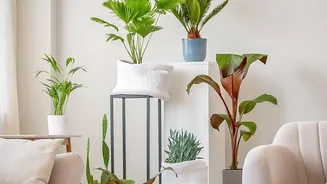
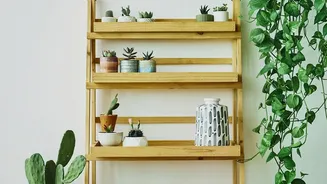
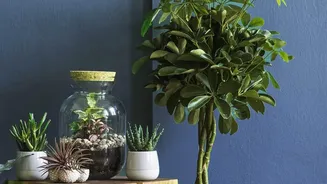
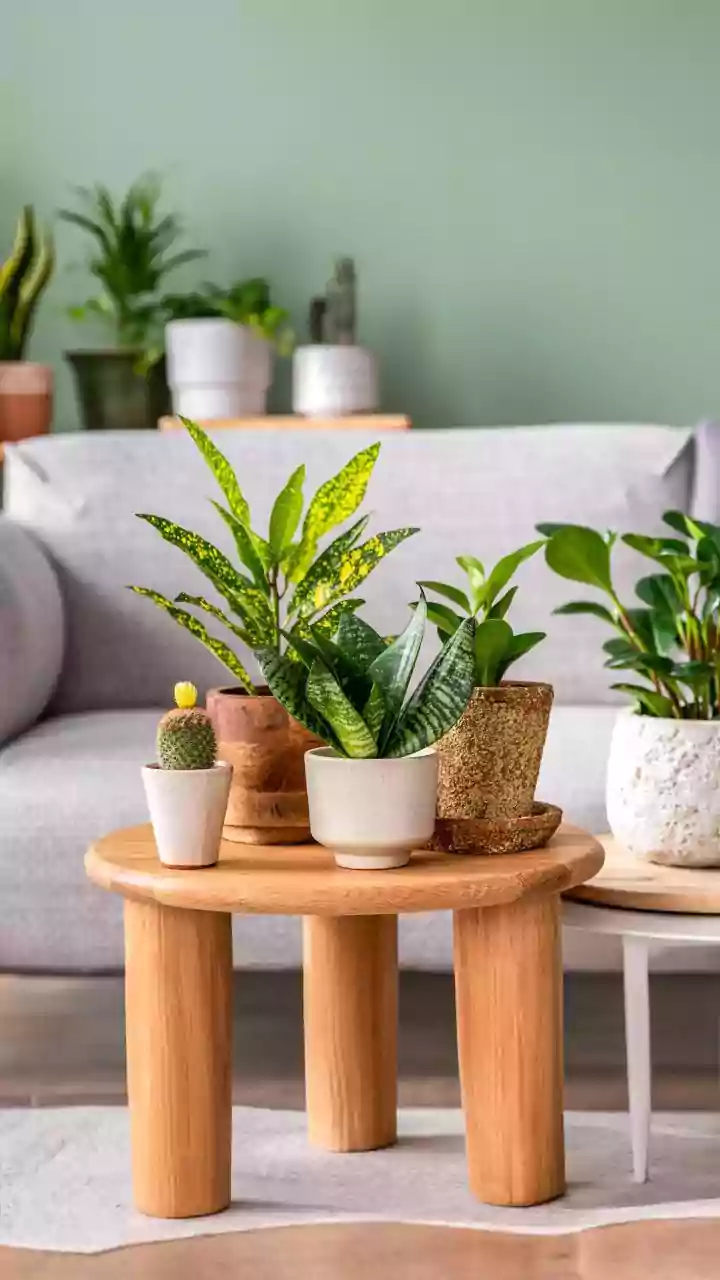
Once your focal plant is in place, you can enhance its impact by styling the area around it. One powerful technique is to layer plants of varying sizes. You can place smaller potted plants on a nearby table or a plant stand to create a lush, multi-level 'plant cluster'. This adds depth and makes the arrangement feel more dynamic. Playing with textures can also elevate the look; pair the glossy leaves of your plant with a soft rug, linen curtains, or wooden furniture to create a rich, tactile experience. The idea is to create a small vignette where the tall plant is the undisputed star, supported by complementary elements.