

In the vast expanse of the cosmos, some objects defy easy labels. Brown dwarfs are one such mystery—too small to be stars, too massive to be planets. Now, a new study using NASA's SPHEREx telescope is peeling back the layers on these cosmic misfits.
Meet the 'Failed Stars'
Imagine
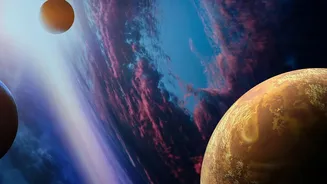
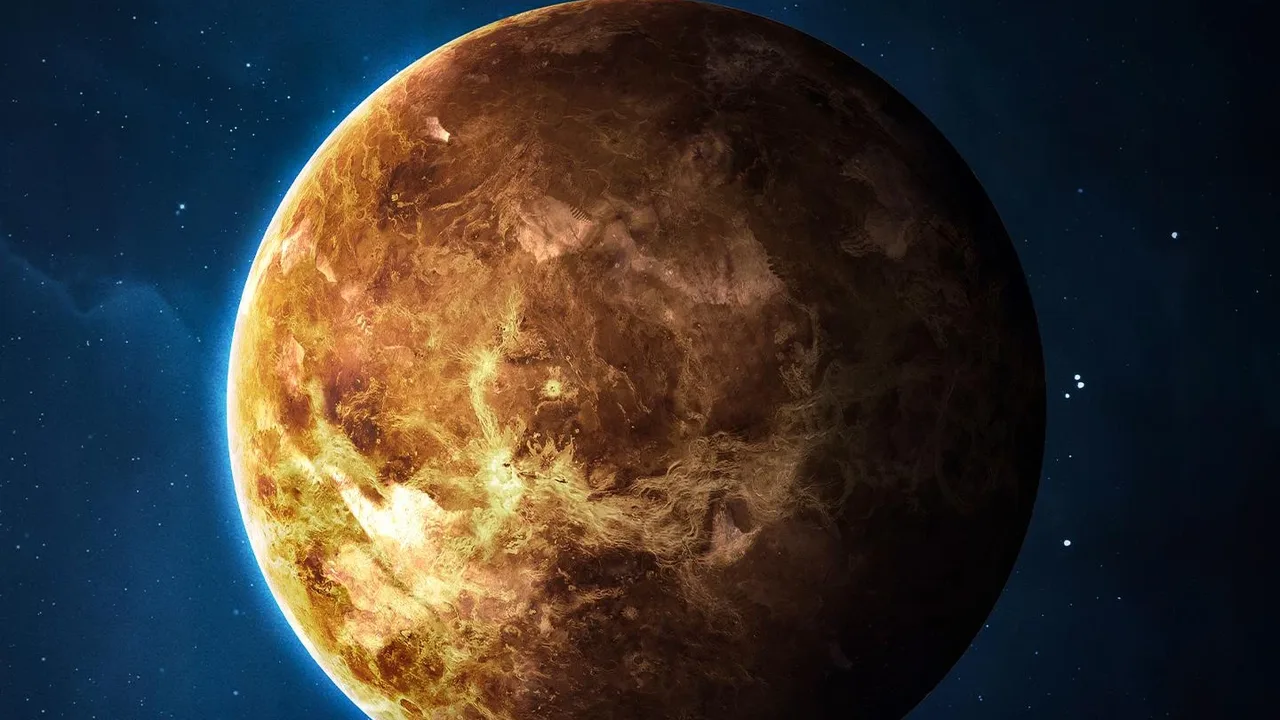
an object that forms just like a star, from a collapsing cloud of gas and dust, but never quite makes it. That’s a brown dwarf. They don't accumulate enough mass to kickstart the sustained hydrogen fusion that makes stars like our sun shine brightly. Instead, after a brief initial burn of other elements like deuterium, they spend billions of years slowly cooling and dimming, earning them the nickname 'failed stars'. These celestial bodies occupy a fascinating middle ground, with masses somewhere between 13 and 75 times that of Jupiter. They aren't quite stars, but they're much more than giant planets, making them a crucial link for understanding how both are formed.
SPHEREx: A New Eye on the Sky
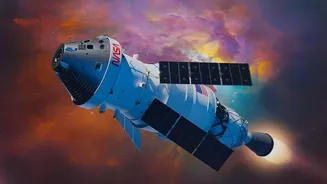
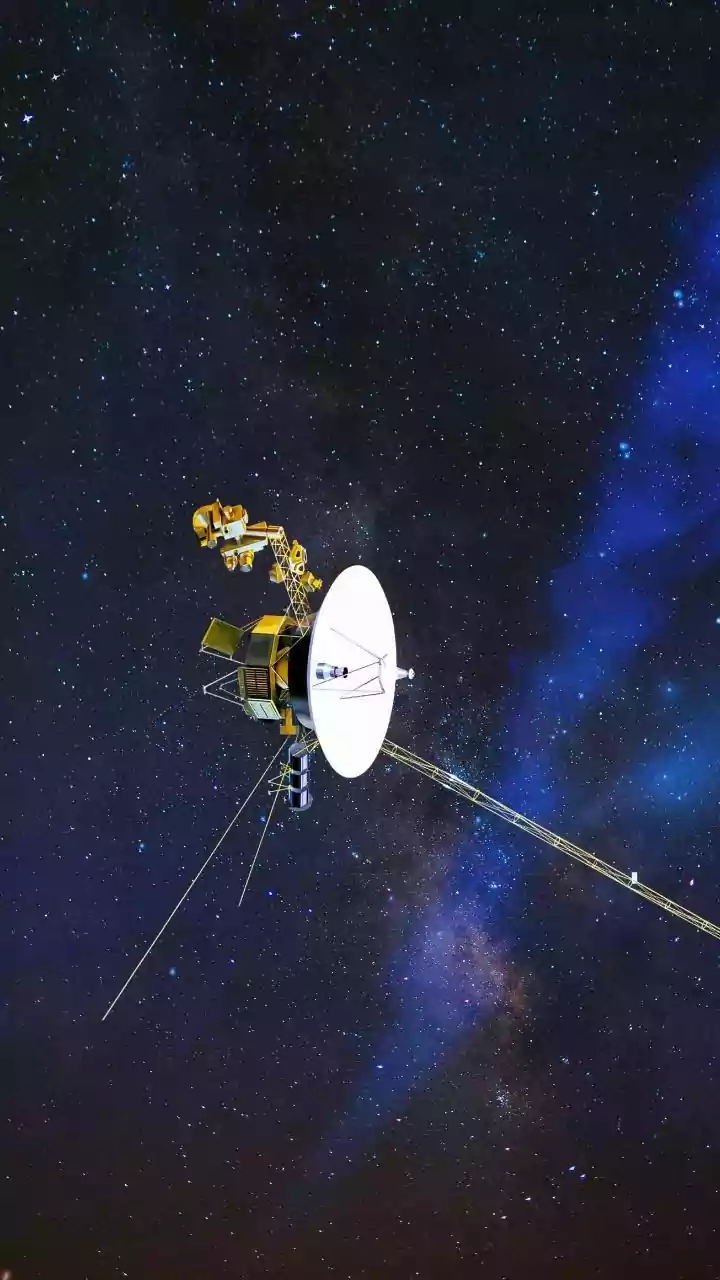
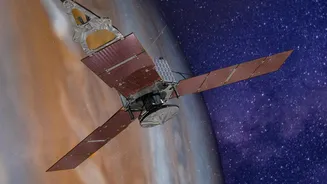
To study these dim objects, astronomers need powerful tools. Enter NASA's SPHEREx (Spectro-Photometer for the History of the Universe, Epoch of Reionization, and Ices Explorer). Launched in March 2025, this space telescope is on a mission to map the entire sky in infrared light. While its main goals involve studying the origins of the universe, SPHEREx is also perfectly suited to investigate the faint glow of brown dwarfs. It does this by measuring the brightness of objects across 102 different colours of light, creating a detailed chemical fingerprint, or spectrum, for each one. This allows scientists to identify the specific molecules present in their atmospheres, something that is difficult to do from Earth because our own atmosphere absorbs much of this light.
A Surprising Chemical Cocktail
The latest study, published in The Astrophysical Journal, analysed SPHEREx data from 37 nearby brown dwarfs. These objects spanned the full temperature range for brown dwarfs, from a scorching 2,200 degrees Celsius to a frigid minus 20 degrees Celsius. The telescope's sensitive instruments detected a rich chemical cocktail in their atmospheres, including water, methane, carbon monoxide, and carbon dioxide. This wasn't entirely a surprise, as these molecules are expected. The truly remarkable finding was the sheer variety. According to the study's lead author, Zafar Rustamkulov, 'No two brown dwarfs are alike. Even at the same temperature, their spectra look quite distinct'.
Why This Diversity Matters
This unexpected diversity is a puzzle for astronomers. Current atmospheric models, which are used to predict the chemistry and weather on these objects, struggled to match the new data perfectly. This suggests that brown dwarf atmospheres are more complex than previously thought. The findings are particularly challenging for models of brown dwarfs that are in a transitional phase, where their exotic atmospheric clouds are thinning out. This discovery forces scientists to reconsider the factors that shape these worlds, from their formation history to their internal weather patterns. As study coauthor J. Davy Kirkpatrick put it, the work has turned the research team into 'accidental meteorologists' for these strange worlds.
A Bridge to Understanding Planets
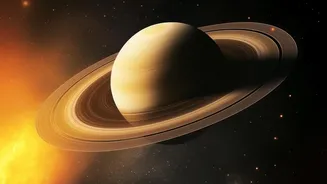
Studying brown dwarfs isn't just about understanding these specific objects. Because they are often found floating freely in space, unattached to a bright star, they provide a clean laboratory for studying atmospheric physics. The light from a host star can often blind telescopes to the faint light of an orbiting exoplanet. By studying the complex, planet_like atmospheres of brown dwarfs, scientists can test and refine the models they use to understand the atmospheres of gas giants in our own solar system, like Jupiter and Saturn, and the thousands of exoplanets being discovered around other stars. This new data from SPHEREx shows there is a wider range of possibilities for atmospheric conditions than we knew, hinting that the variety among exoplanets could be even greater.