







More Than Just Robot Waiters
When you hear 'AI in restaurants,' you might picture a robot delivering your food, like those seen in a few spots in Noida or Chennai. While robotic servers exist, the real revolution is far more subtle and widespread. It's in the AI-powered chatbots
that handle your reservation queries 24/7, the smart kiosks that never get an order wrong, and the recommendation engines on apps like Zomato and Swiggy that know you want to try a new biryani place. These systems enhance customer service by reducing wait times and providing personalised suggestions based on your past orders, making the whole experience smoother and more convenient.
The Smart Kitchen
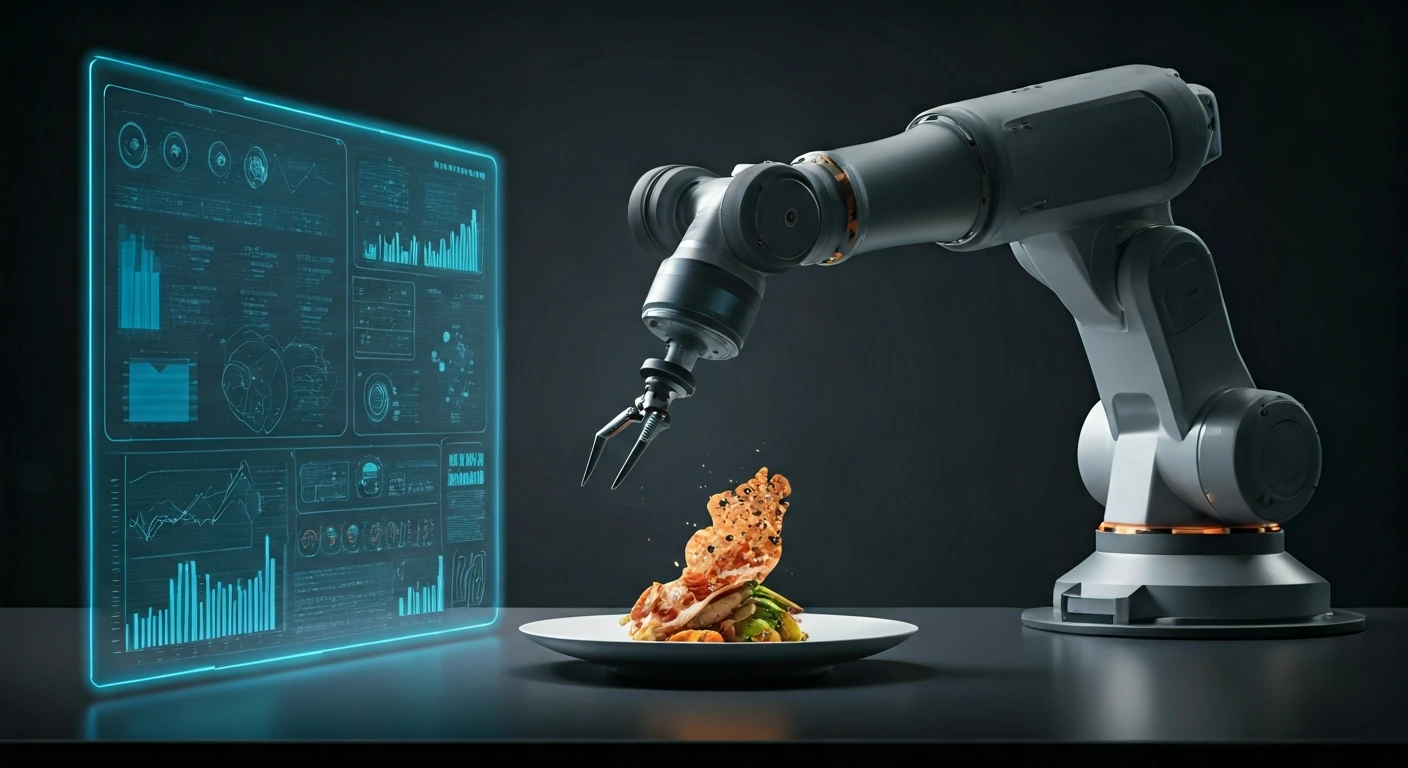
The biggest changes are happening behind the kitchen doors. AI is a master of efficiency, tackling one of the industry's biggest challenges: waste. Predictive analytics, fuelled by AI, can forecast demand with incredible accuracy by analysing sales data, weather patterns, and even local events. This means a restaurant in Mumbai can predict a surge in demand for cold beverages during a heatwave and order supplies accordingly, cutting food waste significantly. These systems help manage inventory, suggesting exactly how much of each ingredient to order and when. This data-driven approach reduces costs from over-ordering and ensures your favourite dish is never sold out.
A Personalised Plate for You
AI is also becoming a powerful marketing tool, allowing restaurants to connect with customers in a more personal way. By analysing your dining habits, AI can help restaurants send you tailored promotions. If you frequently order vegetarian dishes, the system might send you a special offer for a new paneer creation. This level of personalisation builds customer loyalty and makes diners feel valued. It's a shift from mass marketing to individualised engagement, ensuring the offers you receive are relevant to your tastes, which can even extend to tracking preferences for spice levels in Indian cuisine.
What About the Human Touch?
The rise of automation naturally raises concerns about job displacement. However, many experts believe AI won't replace human staff but will instead change their roles for the better. By automating repetitive and tedious tasks like taking inventory, processing orders, or managing schedules, AI frees up human employees to focus on what they do best: hospitality. This means staff can spend more time interacting with guests, providing excellent service, and handling complex situations that require a human touch. The future likely involves a hybrid model where humans work alongside AI, using it as a tool to enhance their skills and improve the overall dining experience.
India's Growing Appetite for AI
The Indian food industry is rapidly adopting these new technologies. From cloud kitchens in Delhi using predictive analytics to manage staffing, to Quick Service Restaurants in Bangalore automating tasks to improve speed, the change is underway. Food delivery giants like Swiggy and Zomato are at the forefront, using sophisticated AI to optimise everything from restaurant recommendations to delivery routes. Even creating new fusion dishes, like Gulab Jamun Cheesecake or Paneer Tikka Tacos, is being explored with AI. While the initial cost can be a barrier, the potential benefits in efficiency, cost savings, and customer satisfaction are proving too significant for many businesses to ignore.