





The Shifting Festive Calendar
For generations, the Indian retail calendar was anchored by a few key festivals. Diwali, in particular, marked the pinnacle of consumer spending, a time for new clothes, gifts, electronics, and home upgrades. But that predictable cycle is evolving. Today,
the festive season is no longer a concentrated burst of activity but a continuous, year-long wave of spending. Young consumers, particularly Gen Z and millennials, are finding new reasons to celebrate and shop, effectively rewriting the rules for retailers and brands. This shift shows that the festive mindset has detached from the traditional calendar and is now influenced by a wider range of cultural and commercial triggers.
Meet the New Shopper: Digital-Native and Spontaneous
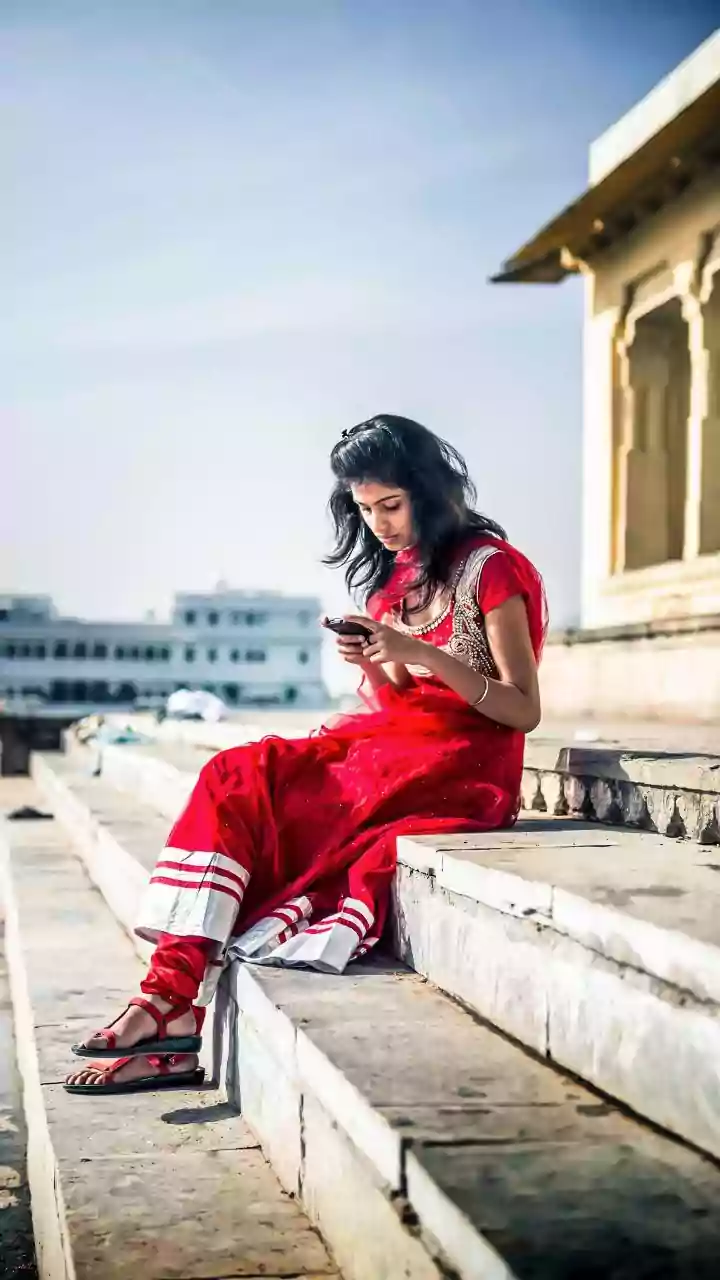
At the heart of this trend are India's Gen Z and millennial consumers, who now drive a significant portion of all retail spending. This demographic, comprising hundreds of millions of shoppers, grew up with smartphones and social media. Their path to purchase is fundamentally different from previous generations. Product discovery happens on Instagram and YouTube, where influencers and targeted ads create instant demand. Unlike their parents who may have planned major purchases, this cohort is more prone to spontaneous buying, driven by flash sales, limited-time offers, and the desire to participate in trending moments. This has led to the rise of what some call a 'fun fund,' where money is specifically budgeted for experiences and the products that complement them.
From Global Sales to Personal Milestones
The new shopping calendar is dotted with a mix of global and personal events. What started as a niche, digital-only trend a decade ago, Black Friday has now become one of India's biggest shopping moments after Diwali, especially for electronics, fashion, and beauty. Data shows a significant year-over-year surge in transaction volumes during this period, with Indian shoppers actively seeking value-driven deals. Beyond these global sales, smaller, more personal occasions are also becoming triggers for spending. Consumers are now purchasing new outfits for a weekend trip, upgrading their homes for a small get-together, or buying jewellery that can be worn for daily self-expression rather than just for major festivals. Even regional festivals like Teej and Ekadashi are seeing increased commercial attention from brands.
The Social Media and Experience Economy Effect
Social media is the engine driving much of this expanded shopping. Influencers have become powerful figures, capable of shaping purchase decisions with a level of authenticity that traditional advertising often lacks. Their recommendations can turn a niche product into a must-have item overnight. Furthermore, there's a significant shift towards an 'experience economy'. A recent report noted that 78% of Indian consumers now prefer spending on experiences over physical products. This doesn't mean they are buying less, but rather that their purchases are often in service of an experience. For example, instead of just buying a new dress, a young consumer might plan a trip and then buy a new wardrobe for it, effectively linking product purchases to a memorable event.
How Brands Are Keeping Pace
Retailers and e-commerce platforms have been quick to adapt. They are no longer concentrating their marketing efforts solely around major festivals. Instead, they are creating a steady drumbeat of sales events, from Valentine's Day promotions to Monsoon sales and, of course, the massive Black Friday extravaganzas. Brands are using AI and data analytics to offer personalised recommendations and run dynamic ad campaigns that target shoppers based on their real-time behaviour and regional preferences. Quick commerce platforms are also capitalising on this trend, expanding beyond groceries to offer festive-specific items for a host of smaller occasions, catering to the modern consumer's demand for convenience and immediacy.