
A New Era for Off-Planet Living
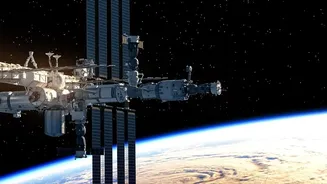
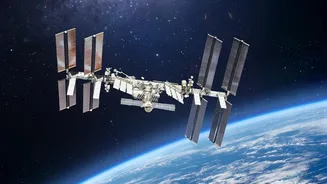
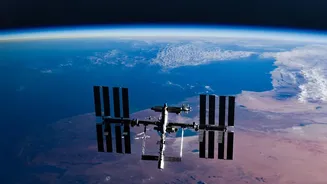
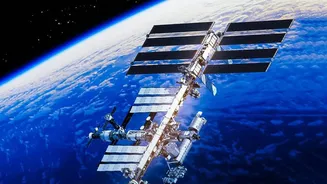
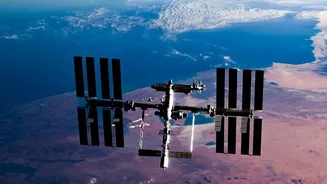
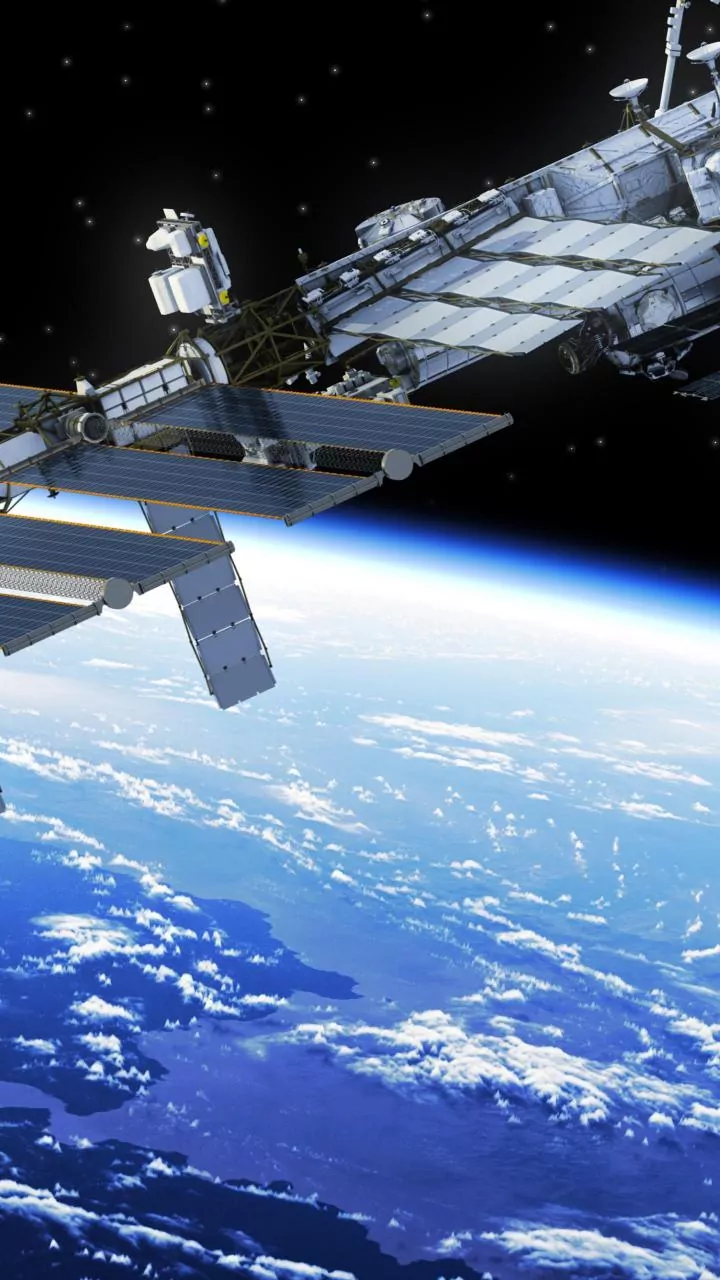
For over two decades, the International Space Station (ISS) has been humanity's only home in orbit, a testament to global cooperation and scientific achievement. But the venerable station is nearing the end of its operational life, with decommissioning
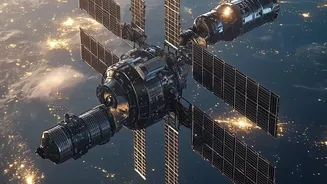
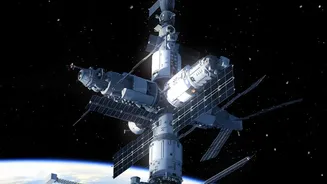
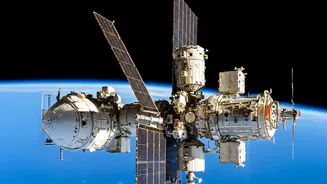
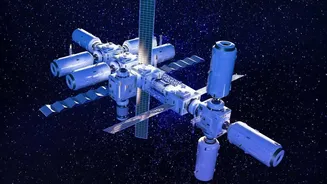
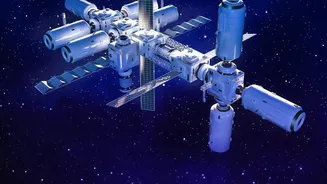
planned for around 2030. Rather than build a government-funded successor, NASA is turning to the private sector to create a new ecosystem of commercially owned and operated destinations in low-Earth orbit (LEO). This shift marks a pivotal moment, opening the door for companies like Axiom Space, Blue Origin, Sierra Space, and Vast to design and build the next generation of space stations. These are not just replacements for the ISS; they are conceived as versatile platforms for a burgeoning orbital economy, intended to serve a diverse clientele of national astronauts, private tourists, researchers, and in-space manufacturers.
From Cans to Inflatable Palaces
Early space stations were marvels of engineering but were fundamentally cramped and utilitarian. The next generation of habitats is rethinking this paradigm with a focus on volume, efficiency, and scalability. A key innovation is the use of expandable or inflatable modules. Sierra Space, a partner in the Orbital Reef station project with Blue Origin, is developing the Large Integrated Flexible Environment (LIFE) habitat. These modules launch in a compressed state, fitting within a standard rocket fairing, and then inflate in orbit to create vast interior spaces. A single LIFE module is expected to offer roughly one-third of the entire pressurized volume of the ISS, providing ample room for living quarters, science labs, and even gardens to grow fresh food. This approach dramatically increases the usable real estate per launch, which is crucial for making orbital operations more cost-effective.
Designing for a New Breed of Astronaut
Unlike the career astronauts of the past, the new inhabitants of LEO will include private citizens on short-term visits and corporate researchers focused on commercial goals. Their needs are different, and habitat designs reflect this. Axiom Space, which is building the world's first commercial space station by initially attaching its modules to the ISS, has partnered with renowned designer Philippe Starck. Their goal is to create comfortable living quarters with modern amenities and large windows for breathtaking views of Earth. Similarly, the Orbital Reef station, described as a "mixed-use business park" in space, is being designed to support up to 10 people in a human-centered environment that is inspiring and practical. These stations plan to offer an experience that goes beyond pure function, recognizing that comfort and quality of life are essential for both tourism and long-duration professional stays.
A Laboratory and Factory in the Sky
A primary driver for these new stations is the demand for orbital research and manufacturing. The unique microgravity environment offers immense potential for breakthroughs in medicine, materials science, and technology. The new commercial stations are being designed as flexible, full-service laboratories. They will feature modular research racks, advanced automation, and robotic assistants to reduce the workload on human crews and increase scientific output. This will allow universities, pharmaceutical companies, and tech firms to conduct experiments more easily and affordably than ever before. Some companies are pushing the boundaries even further. Vast, for instance, is developing stations with the goal of generating artificial gravity, which could mitigate the negative health effects of long-term spaceflight and enable entirely new fields of research.
The Challenges Ahead
While the vision for a vibrant LEO economy is compelling, significant hurdles remain. The companies developing these habitats must prove their designs are not only functional but also safe and reliable for long-term human occupation. Inflatable structures, for example, have undergone rigorous ground testing, including being pressurized until they burst, to validate their strength far beyond required safety margins. Beyond the engineering, the business case must also be proven. These ventures depend on a steady stream of customers for tourism, research, and other commercial activities. The success of these next-generation habitats will ultimately hinge on their ability to create a self-sustaining market in orbit, transforming low-Earth orbit from an outpost of exploration into a thriving extension of the global economy.