







Why Monsoon Speeds Up Fermentation
The key to perfect idlis and dosas is well-fermented batter. This process relies on naturally occurring yeasts and bacteria, which break down starches and proteins in the rice and dal mixture. During fermentation, these microbes produce carbon dioxide,
which makes the batter rise and gives it a light, airy texture, and lactic acid, which imparts a characteristic tangy flavour. The ideal temperature for this process is between 25°C and 32°C. During the Indian monsoon, ambient temperatures and high humidity create the perfect breeding ground for these microbes, causing them to work overtime. This hyperactivity can cause the batter to over-ferment in just a few hours, long before the typical 8 to 12-hour window, leading to a taste that is excessively sour and a texture that is difficult to work with.
Introducing 'Refrigeration Breaks'
Instead of letting your batter sit on the counter and hoping for the best, you can take control with a technique called 'refrigeration breaks'. This isn't about stopping fermentation entirely but rather about pausing it at strategic intervals. The cold temperature of a refrigerator dramatically slows down the activity of the yeast and bacteria without killing them. By alternating between room temperature fermentation and chilling, you can manage the speed and achieve the perfect level of rise and tanginess, even in the most humid conditions. This method gives you precise control, ensuring your batter is ready when you are, not when the weather dictates.
The Initial Fermentation Window
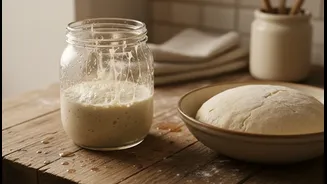
The first step is to allow your freshly ground batter to begin fermenting at room temperature, but for a much shorter period than you normally would. Instead of leaving it overnight, start checking it after just 3 to 4 hours. You are looking for the very first signs of life: a slight increase in volume and the appearance of a few tiny bubbles on the surface. The batter will not have doubled in size yet, but you will notice it's no longer dense and flat. This initial, shorter period at room temperature is crucial to kick-start the microbial activity needed for flavour and texture development. Catching it at this early stage is the key to preventing it from going too far, too fast.
Taking The First Cold Break
Once you see those initial signs of fermentation, it's time for the first refrigeration break. Cover your container securely—an airtight lid is best to prevent the batter from drying out or absorbing other smells—and place it in the fridge. The cold will put the brakes on the fermentation process almost immediately. You can leave the batter in the refrigerator for several hours or even overnight. This long, slow chill period allows the flavours to develop more subtly without producing the excessive sourness that comes from rapid, high-heat fermentation. The batter will continue to ferment, but at a glacial pace, giving you a much wider margin of error.
Bringing It Back to Life
When you are ready to make your dosas or idlis, take the batter out of the refrigerator. It might appear dense and inactive, but the microbes are simply dormant. Allow it to sit at room temperature for about 1 to 2 hours before you plan to cook. This gives the batter time to warm up and for the yeast and bacteria to become active again, restoring its light and airy texture. Give the batter a gentle stir to ensure the texture is consistent, but avoid vigorous whisking, as this can knock out the precious air bubbles you've worked to create. If the batter is too thick, you can add a tablespoon or two of water to reach the desired consistency.
Reading the Signs of Perfect Batter
Perfectly fermented batter will have a pleasant, mildly sour aroma, not a sharp, vinegary smell. It will have visibly risen and be full of tiny air pockets. A great way to test it is to drop a small spoonful into a bowl of water; if it floats, it’s perfectly aerated and ready to go. Signs of over-fermentation include a very strong, unpleasant sour or even alcoholic smell, a frothy or bubbly texture that collapses easily, and a watery consistency. If your batter has separated with a layer of water on top, it has likely gone too far. Mastering refrigeration breaks will help you consistently hit that sweet spot for delicious results.