


As winter's chill sets in, our bodies naturally crave warmth and comfort. Indian culinary wisdom, rooted in Ayurveda, has long used specific spices to provide that inner heat. Here are seven delicious foods that do more than just taste good.
1. Masala Chai
A quintessential
Indian beverage, Masala Chai is the perfect start to a cold day. This spiced tea is a brew of strong black tea with a potent mix of warming spices. The most common ingredients include crushed ginger, cloves, cardamom, cinnamon, and a hint of black pepper. According to Ayurvedic tradition, these spices are known to stimulate circulation and create a lasting sense of warmth from within. Ginger is particularly prized for its ability to aid digestion and soothe a winter chill, while cloves and cinnamon add layers of aromatic heat. It’s more than just a cup of tea; it’s a comforting ritual that energises the body and spirit on a frosty morning.
2. Gajar ka Halwa
This beloved winter dessert is a rich pudding made from seasonal red carrots, milk, ghee, and sugar. What makes Gajar ka Halwa a winter specialty are the fragrant spices used to flavour it, primarily cardamom and sometimes a touch of cinnamon or nutmeg. Cardamom is a classic warming spice that not only adds a sweet, complex aroma but is also believed to aid digestion. The dish is slow-cooked, allowing the carrots to absorb the richness of the milk and ghee, which itself is considered a warming food in Ayurveda. Garnished with nuts, this comforting dessert provides energy and a deep sense of satisfaction.
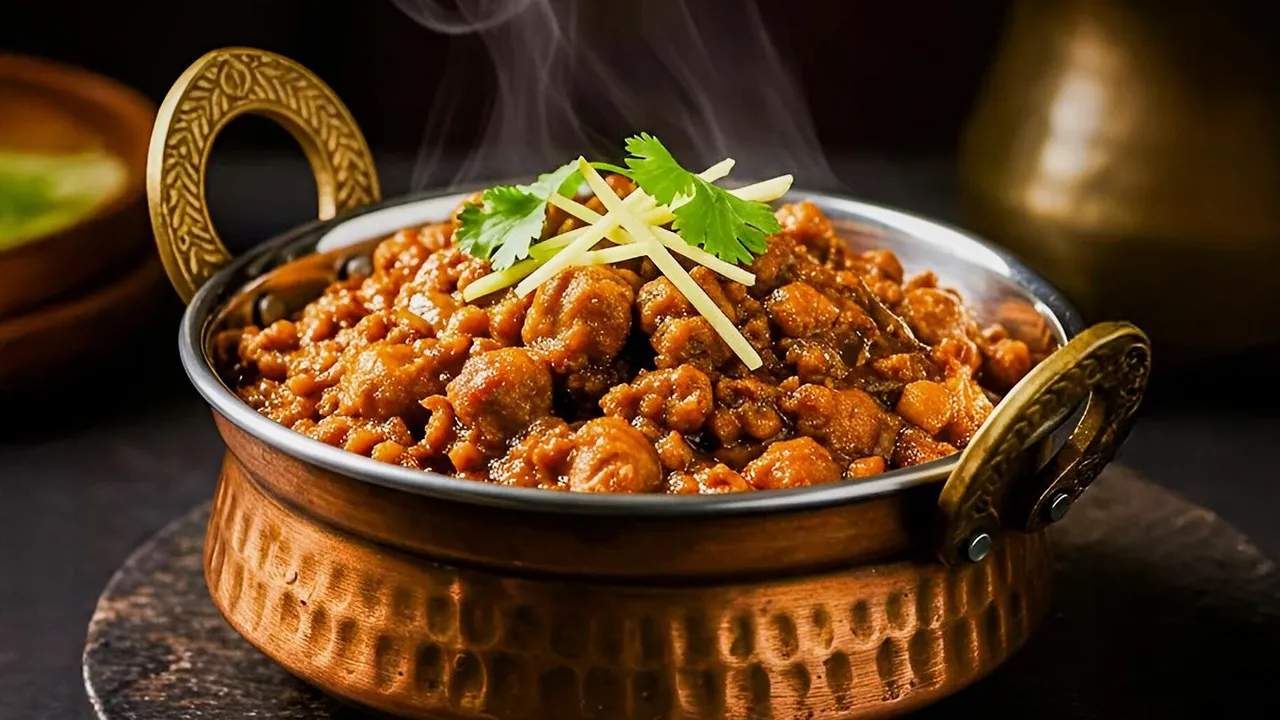
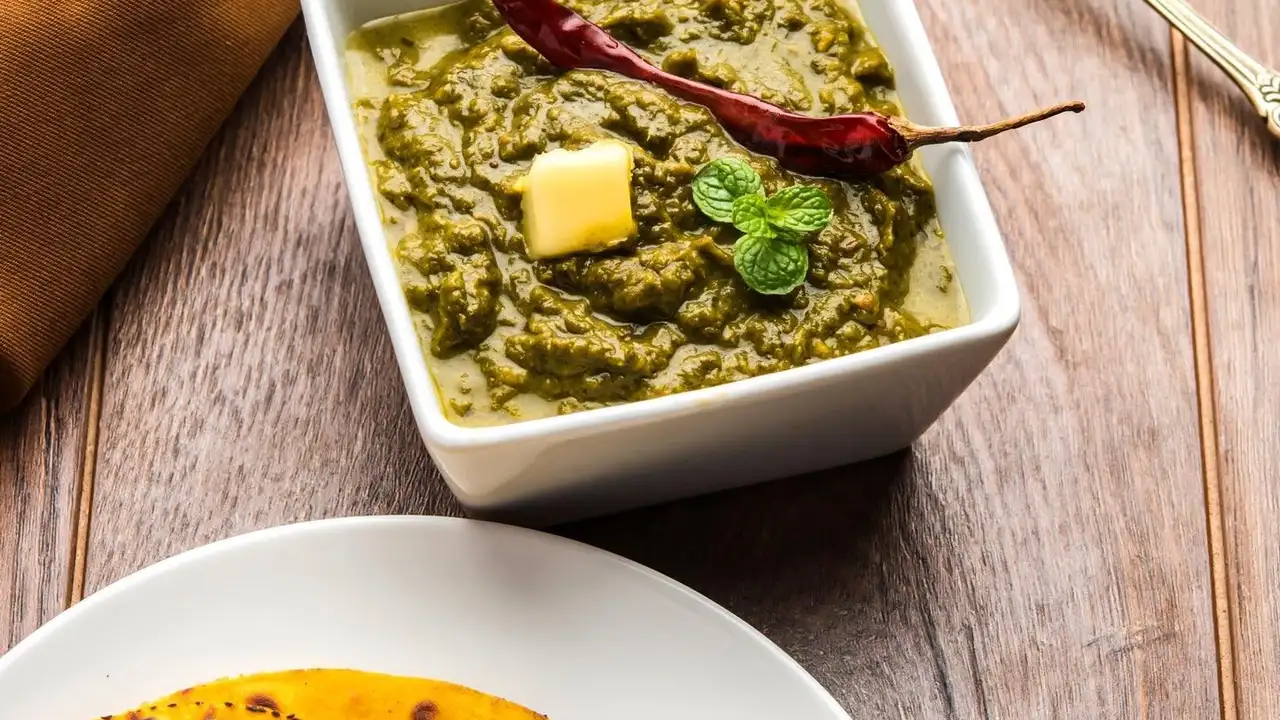
3. Sarson ka Saag
A winter delicacy from Punjab, Sarson ka Saag is a hearty dish made primarily from mustard greens (sarson), often blended with other greens like spinach and bathua. Mustard greens are naturally pungent and are considered to generate heat in the body. The dish's warming properties are further amplified by a generous tempering (tadka) of ghee with finely chopped ginger, garlic, and onions. This combination creates a rich, flavourful, and deeply warming curry. Traditionally served with makki di roti (cornmeal flatbread) and a dollop of white butter, it’s a wholesome meal that embodies the soul of North Indian winter comfort food.
4. Gond ke Laddoo
These energy-dense sweet balls are a traditional winter powerhouse. The star ingredient is 'gond' (edible acacia gum), which is known for its heating properties when fried in ghee. The gond is combined with whole wheat flour, a generous amount of ghee, nuts, and sweetened with jaggery. Often, the mix is enhanced with warming spices like powdered dry ginger (sonth), nutmeg, and cardamom. Gond ke Laddoo is traditionally consumed to build immunity, lubricate joints, and provide sustained energy during the cold, sluggish months. One or two laddoos with a glass of warm milk is a classic winter breakfast in many Indian homes.
5. Rasam
This tangy and spicy South Indian soup is a perfect antidote to cold weather and seasonal sniffles. While recipes vary, the foundation of a classic rasam is a tamarind and tomato base, brought to life with a potent spice blend. The key warming ingredient is black pepper, which is known to help relieve congestion and works as a natural antibiotic. It's often complemented by cumin, turmeric, garlic, and asafoetida (hing), all of which contribute to its flavour and therapeutic properties. Whether enjoyed as a light soup or mixed with rice, Rasam is a comforting, fluid dish that hydrates and provides immediate warmth.
6. Panjiri
Similar to Gond ke Laddoo but with a crumbly texture, Panjiri is another North Indian winter staple made to nourish and warm the body. It consists of whole wheat flour or semolina roasted in ghee and mixed with sugar, nuts, seeds, and edible gum. The mixture often includes warming spices like ginger powder, cardamom, and sometimes turmeric. Panjiri is traditionally given to new mothers to help regain strength and is also consumed by all family members during winter to boost energy and immunity. Its nutrient-dense ingredients are known to generate heat and help ward off seasonal colds.
7. Undhiyu
Hailing from Gujarat, Undhiyu is a slow cooked mixed vegetable casserole that is a winter specialty. Its name comes from the Gujarati word 'undhu', meaning upside down, referring to the traditional method of cooking it underground in earthen pots. The dish features a medley of winter vegetables like surti papdi (hyacinth beans), purple yam, sweet potatoes, and baby eggplants. These are cooked in a flavourful and aromatic green masala made from fresh coconut, peanuts, sesame seeds, and a blend of warming spices, including ginger, garlic, green chillies, and garam masala. The combination of seasonal vegetables and heat generating spices makes it a perfect hearty one pot meal for a cold day.