




Know Your Pantry's Enemies
Before you can protect your food, you need to understand what you're up against. Three main culprits are responsible for spoiling your dry goods: heat, moisture, and pests. Heat, especially from a nearby stove or direct sunlight, can degrade the essential
oils in spices, turn the oils in whole grains and flours rancid, and speed up general decay. Moisture is equally damaging, particularly in a humid climate. It causes clumping in powders like flour and spices, encourages mould growth, and can ruin the texture of grains and lentils. Finally, pests like weevils, moths, and beetles are drawn to improperly stored food. They don't just eat your staples; they contaminate them with droppings and webbing, making them unsafe to eat.
The Right Container is Your First Defence
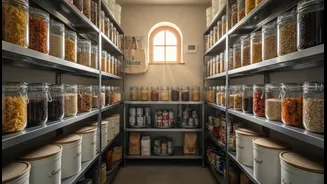
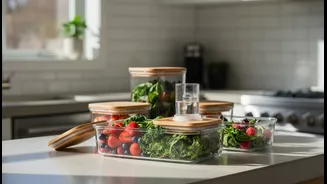
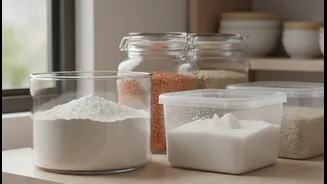
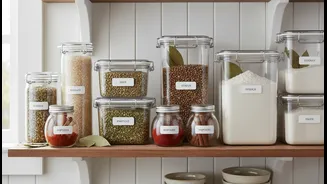
The single most effective step you can take is to get your staples out of their original paper or thin plastic bags. These offer little protection from pests, which can easily chew through them. Instead, invest in airtight containers. Glass jars are an excellent choice because they don't absorb odours and allow you to see the contents easily. Food-grade steel containers, a staple in many Indian homes, are also fantastic for blocking out light and keeping pests at bay. If you use plastic, ensure it is thick, durable, and has a tight-sealing lid to create a formidable barrier against both moisture and insects. Transferring items to these containers as soon as you bring them home is a crucial habit.
Location, Location, Location
Where you store your food is just as important as what you store it in. The ideal environment for most pantry staples is a cool, dark, and dry place. This means the popular cabinet directly above the stove is one of the worst possible spots due to constant exposure to heat and steam. Similarly, a shelf that gets direct afternoon sun will degrade your food quality. Opt for a pantry, cupboard, or drawer away from heat sources and windows. Always store containers off the floor, especially concrete floors, which can leech chemicals and moisture. By choosing a stable, cool environment, you significantly extend the shelf life and preserve the nutritional value of your ingredients.
Special Care for Flours and Grains
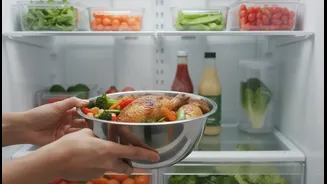
Rice, dals, and various flours form the foundation of our daily meals. For rice and lentils, an airtight container in a cool, dark place is usually sufficient. For extra protection against pests, adding a dried bay leaf to the container is a traditional, chemical-free method that can help deter weevils and other insects. Flours, especially whole wheat atta, have a shorter shelf life because the natural oils in the grain can go rancid. During hot and humid weather, consider buying flour in smaller quantities. For longer-term storage of any flour, the refrigerator or even the freezer is an excellent option to maintain freshness and prevent pest infestations.
Protecting the Potency of Your Spices
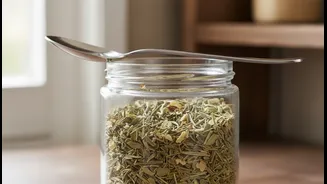
Indian cooking relies on the vibrant aroma and flavour of spices, but these are incredibly sensitive to their environment. Heat, light, and air are the primary enemies of a good masala. Storing spices in clear containers on an open rack next to the stove is a recipe for faded colour and diminished flavour. The best practice is to store them in airtight, and preferably opaque, containers inside a dark cabinet. The traditional steel masala dabba is great for daily-use spices due to its convenience, but ensure it's kept away from the stove's direct heat. Whole spices will always retain their potency longer than ground ones, so consider grinding spices like cumin and coriander in small batches as needed for the best flavour.
Winning the War Against Pests
Even with the best containers, pests can sometimes find a way in, often hitching a ride from the grocery store. Regular pantry maintenance is key. Once a month, take the time to wipe down your shelves with a simple solution of vinegar and water to remove any spills or debris that might attract pests. Practice the 'first-in, first-out' (FIFO) method, placing newer items at the back and older ones at the front to ensure you're using them before they expire. If you buy items in bulk, consider freezing the package for a few days before transferring it to your storage container; this can kill any hidden eggs or larvae. A clean, organised system is your best long-term strategy for a pest-free kitchen.