

From Passive Viewing to Active Doing
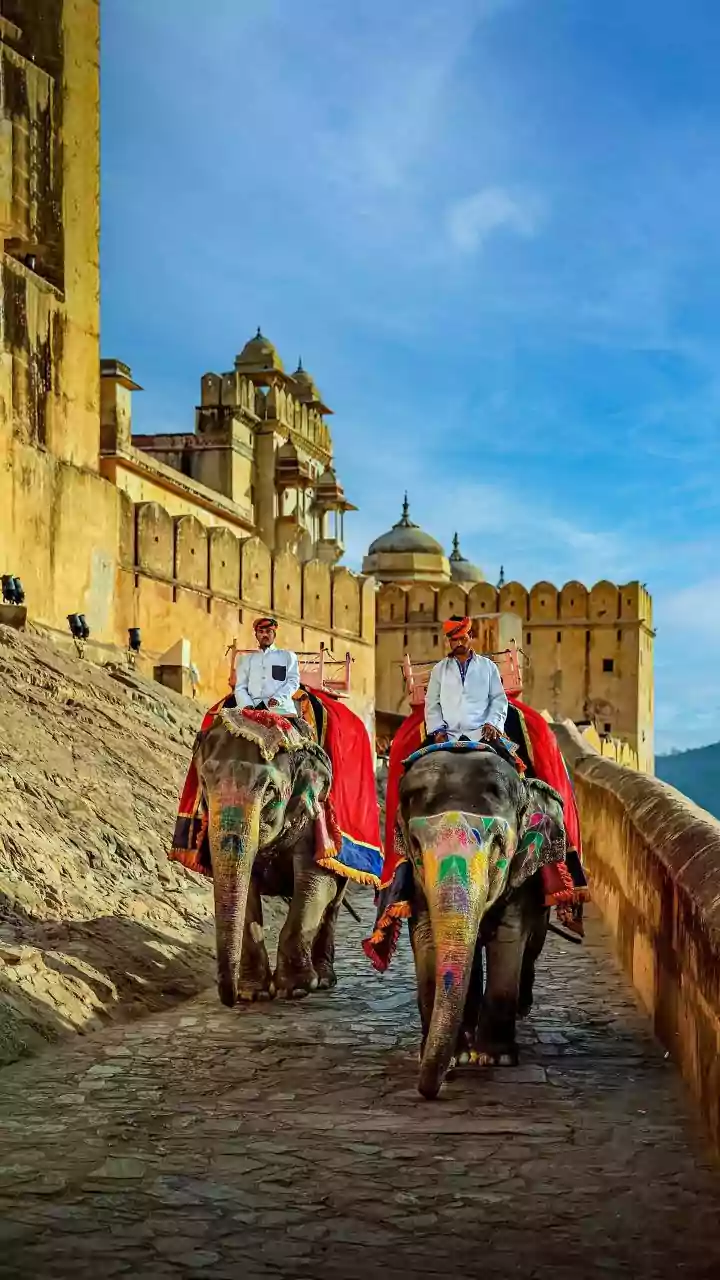
The travel checklist for young Indians is changing. Where it once featured famous monuments and popular photo spots, it now includes things like pottery workshops, surfing lessons, and culinary classes. This shift from passive consumption to active participation
is defining a new era of travel, often called 'hobbycations' or 'skillcations'. Instead of simply seeing a place, travellers want to experience it by learning something new. This trend is driven by a desire for more meaningful and personal journeys. After years of digital overload and routine work schedules, many are seeking trips that offer more than just an escape; they want a chance to reconnect with themselves, build tangible skills, and create lasting memories. According to one report, 74% of Indian travellers are planning to pursue a hobby or sport during their holidays. This move towards purpose-driven travel shows that for many, the best souvenir is a newfound ability or a deepened passion.
What's on the Itinerary?
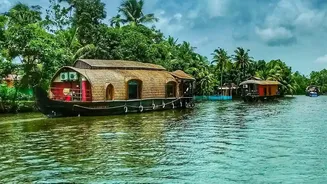
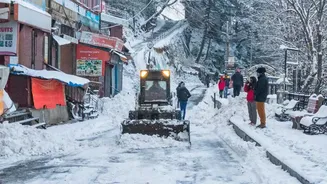
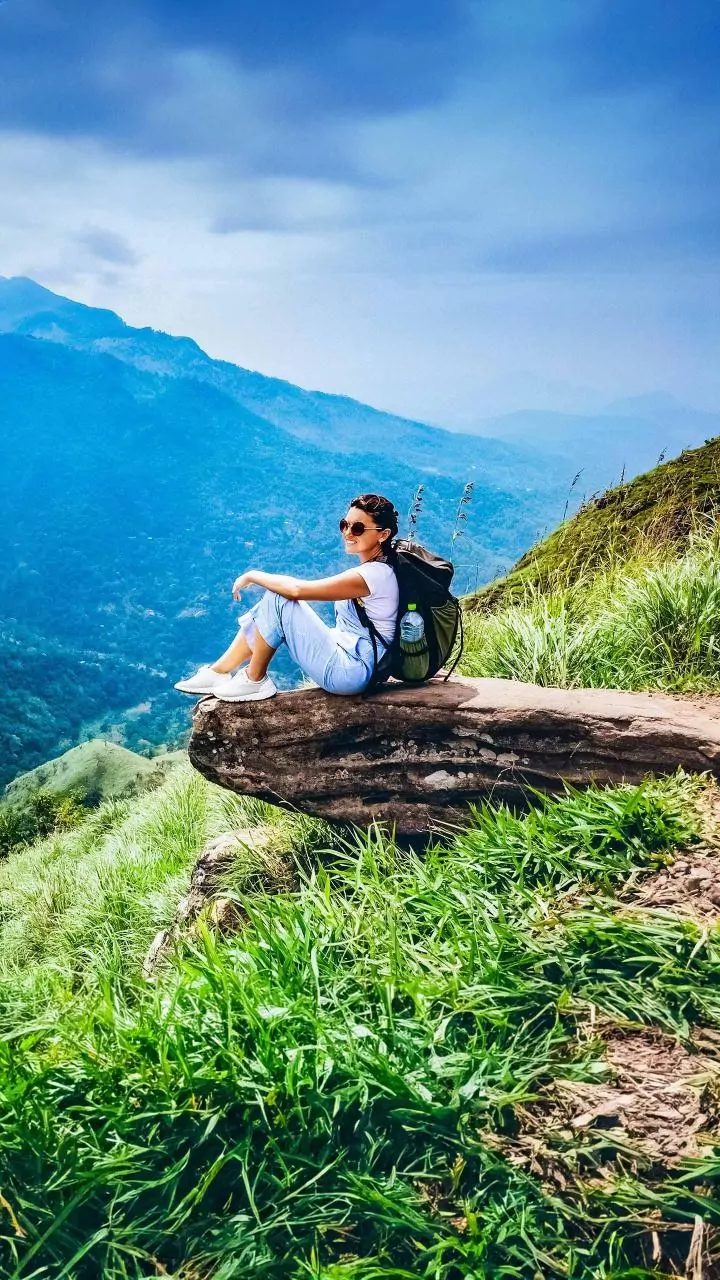
The range of hobbies being pursued is as diverse as India itself. Adventure sports remain a huge draw, but with a twist. It's less about extreme conquest and more about the experience. Coastal towns like Varkala, Udupi, and Kovalam are becoming hubs for surf schools. In the mountains, it’s no longer just about reaching the summit; it’s about enjoying serene trails, with trekking, paragliding in Bir Billing, and skiing in Gulmarg gaining immense popularity. Creative pursuits are also a major driver. Travellers are heading to Rajasthan for block-printing and pottery workshops, to the Himalayas for writing retreats, and to Kerala for yoga teacher training. Food has become a destination in itself. Young travellers are exploring cities not just for restaurants but for authentic culinary experiences, like local food walks, cooking classes, or even 'snackpacking'—hunting for unique local snacks. This reflects a broader trend where experiences are being booked before hotels, indicating a fundamental shift in travel priorities.
The Search for Authenticity and Community
So, what's fuelling this change? One of the biggest drivers is the search for authenticity. Young travellers are increasingly avoiding overcrowded tourist hotspots in favour of quieter, more genuine alternatives. Learning a local craft or skill provides a direct connection to the culture of a place. It's a way to interact with local communities and understand their way of life on a deeper level. Another key factor is the desire for mental well-being. In a world of constant connectivity and burnout, these hobby-focused trips offer a chance to reset and recharge. Engaging in a hands-on activity can be a form of mindfulness, providing a much-needed break from the digital world. These trips also foster a sense of community. Whether it's a group of strangers learning to surf together or artists collaborating at a retreat, these shared experiences create strong bonds. It’s no longer just about where you go, but who you experience it with.
How to Plan Your Own Hobby Holiday
Planning a trip around a hobby is easier than ever. The rise of niche travel companies and online communities makes it simple to find workshops, retreats, and courses across the country. Social media platforms, particularly Instagram, have become powerful tools for discovering everything from remote pottery studios to specialised surf instructors. Many operators now offer curated packages that combine learning with leisure, catering to various skill levels and interests. This trend is also boosting tourism in lesser-known regions, as people are willing to travel to offbeat destinations for a unique learning experience. The focus is on flexibility and personalisation, allowing travellers to build an itinerary that truly reflects their interests.