






Safety First: Assess the Lighting and Parking
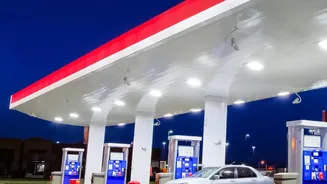
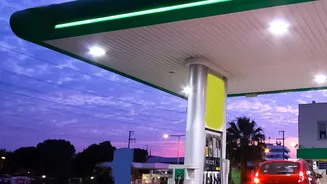
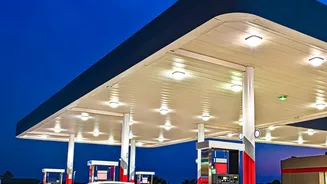
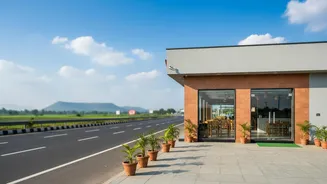
Your first impression of a roadside dhaba or restaurant begins before you even step out of your car. Take a moment to observe the surroundings. A well-lit establishment, especially at night, is a strong indicator of a proactive owner. Good lighting improves
security, deters crime, and allows both drivers and pedestrians to see each other clearly, reducing the risk of accidents in the parking area. Look for ample, bright lighting that covers the parking lot and the entrance. Dark, shadowy corners can be a red flag. A busy, organised parking area, preferably with cars from other families and travellers, suggests that the stop is popular and trusted by others, which is often a good sign.
The Ultimate Hygiene Test: The Washroom
Many experienced travellers will tell you this is the golden rule: the state of the washrooms reflects the state of the kitchen. A restaurant that invests in keeping its toilets clean, dry, and well-stocked with soap and water is likely to apply the same standards of hygiene elsewhere. Before you commit to a meal, make a quick trip to the restroom. If you are met with overflowing bins, unpleasant odours, or a lack of basic cleaning, it is a serious warning sign. A clean washroom indicates that the management cares about the comfort and health of its customers, and is a strong proxy for overall cleanliness and food safety practices behind the scenes.
Follow the Crowd: The Importance of Turnover
The term 'turnover' has two important meanings here. The first is customer turnover. A busy restaurant with a steady stream of customers, especially local truckers and families, is one of the best indicators of a good place to eat. A high number of customers means the food is in constant demand. This directly relates to the second meaning: food turnover. High customer traffic ensures that the kitchen has to frequently replenish its ingredients, meaning the food you are served is more likely to be made from fresh stock rather than items that have been sitting for days. A perpetually empty restaurant, on the other hand, may be cutting corners or using older ingredients to minimise waste, which can increase the risk of foodborne illness.
Reading the Menu: How to Order Smart
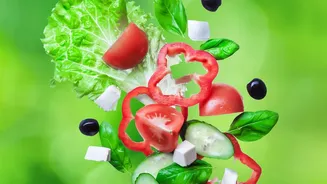
Once you've decided a place is promising, what you order also matters. The safest bet at a highway eatery is to order food that is cooked fresh and served piping hot. The heat helps to kill most harmful bacteria. Items like freshly made parathas, hot dals, tandoori rotis, and well-cooked sabzis are generally safe choices. Be wary of dishes that can be pre-cooked and left sitting, or those containing ingredients that spoil quickly without refrigeration. It’s also wise to be cautious with raw foods like salads or chutneys, as they may have been washed with unsafe water or have been sitting out for a while. Sticking to the popular, fast-moving items on the menu is a strategy that rarely fails.
Look for Visual and Olfactory Clues
Your senses are your best guide. A clean restaurant should smell like good food, not of stale oil or unpleasant odours from the washroom or garbage area. Take a look at the dining area. Are the tables wiped clean? Are the floors free of dirt and grime? Observe the staff. Do they look presentable and maintain good personal hygiene? These small details provide a bigger picture. Another clue is the FSSAI (Food Safety and Standards Authority of India) license, which should be displayed in the establishment. This shows the business is registered and subject to food safety regulations.