





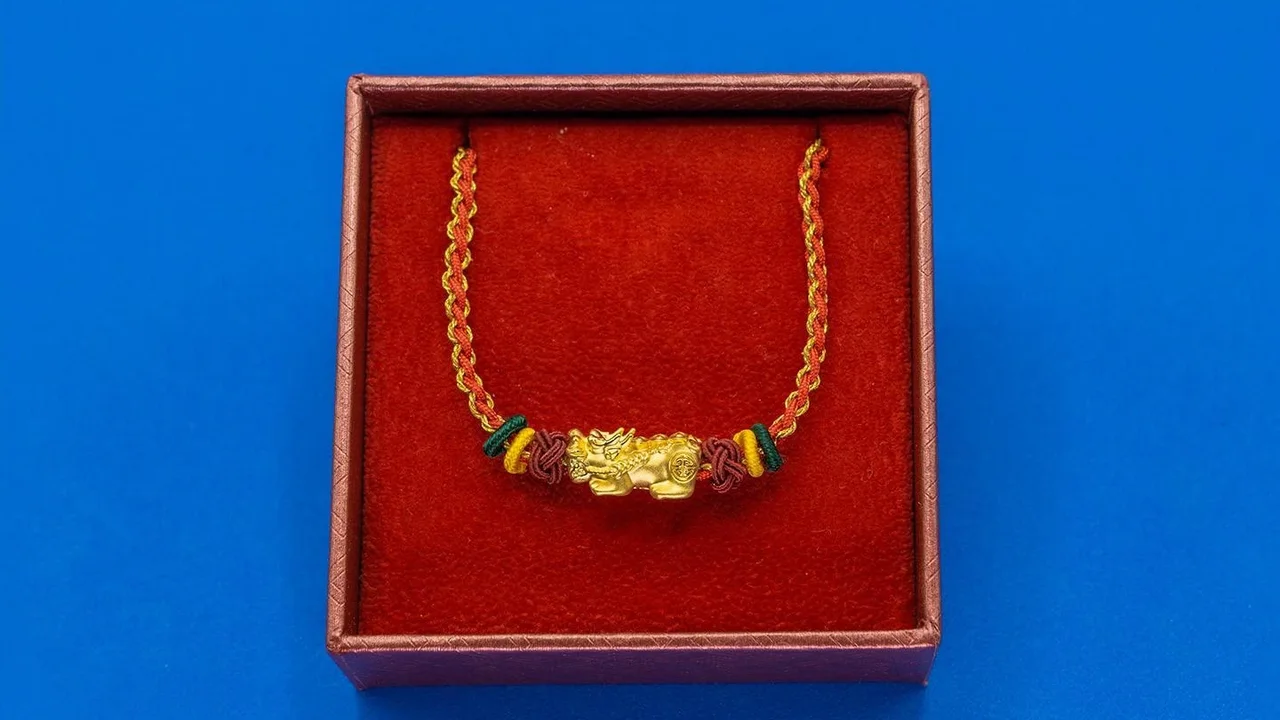

The Purity Question: 24K vs. 22K
The most significant difference lies in purity. Gold coins are almost always made of 24-karat (24K) gold, which is 99.9% pure. This is gold in its finest investment-grade form. Gold jewellery, on the other hand, is typically made from 22-karat (22K) gold, which has
a purity of 91.6%. The remaining 8.4% consists of other metals like copper or silver, which are added to make the gold harder and more durable for everyday wear. While this makes jewellery practical, from a pure investment standpoint, you are getting less gold for every gram you purchase compared to a 24K coin. This purity difference is a foundational factor in determining resale value.
The Hidden Cost: Making Charges
Here is where the costs begin to diverge significantly. When you buy a gold coin, the 'making charges'—the cost of manufacturing—are minimal. They are usually a small percentage of the gold's value, sometimes charged as a flat fee per gram. However, with jewellery, making charges are much higher, as they cover the intricate labour, craftsmanship, and design involved. These charges can range from 6% to over 25% of the value of the gold, depending on the complexity of the design. Handcrafted bridal pieces will have substantially higher making charges than simple, machine-made chains. Critically, these charges are a sunk cost; you do not get this money back when you sell the item.
Understanding GST on Your Purchase
The Goods and Services Tax (GST) is another layer of cost to consider. In India, the value of the gold itself—whether in a coin or jewellery—attracts a 3% GST. This rate is applied uniformly regardless of purity, so 24K coins and 22K ornaments are taxed the same on their gold value. However, there's an additional tax component for jewellery. The making charges on jewellery are subject to a separate 5% GST. Since coins have negligible to no making charges, this extra 5% tax is largely avoided when you opt for investment coins. This makes the upfront cost of jewellery even higher.
When You Sell: Liquidity and Resale Value
From a pure investment perspective, the goal is to recover as much value as possible. This is where coins have a distinct advantage. When you sell a gold coin, you typically receive a price very close to the prevailing market rate for pure gold, as its value is based almost entirely on weight and purity. Selling jewellery is a different story. The jeweller will only pay for the net weight of the gold at the day's rate for that purity (e.g., 22K). The significant making charges you paid at the time of purchase are completely lost. If the piece contains any stones, their weight is also deducted. This means the resale value of jewellery as a percentage of its original purchase price is significantly lower than that of a gold coin.
The Verdict: Investment vs. Utility
The choice between gold coins and jewellery ultimately boils down to your primary goal. If your objective is purely financial—to store wealth and achieve the best possible return on your investment—gold coins are the clear winner. They offer higher purity, lower upfront costs, and a much better resale value. Gold jewellery, while also an asset, should be seen as a hybrid purchase. You are paying a premium for its aesthetic and cultural value—the joy of wearing it. It serves a dual purpose of adornment and investment, but the financial return is compromised by high making charges and lower purity. For a disciplined investor focused on wealth creation, coins are the more efficient and logical choice.