


Why Enrichment Is Not a Luxury
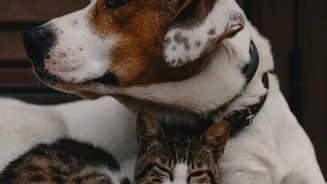
Enrichment is the process of creating a stimulating environment that allows pets to perform their natural behaviours like sniffing, foraging, and problem-solving. It's more than just fun and games; it's a fundamental need. Without it, pets often become
bored, anxious, and stressed, which can lead to destructive habits like chewing furniture, excessive barking, or scratching. By providing engaging activities, you are feeding a different kind of hunger—their mental and emotional needs. A stimulated pet is often calmer, more confident, and less likely to create their own (often destructive) entertainment.
Puzzle Toys: A Meal with a Mission
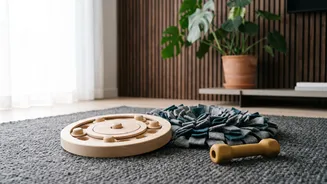
One of the easiest ways to introduce enrichment is by ditching the food bowl. Puzzle feeders and treat-dispensing toys require your pet to think, paw, and problem-solve to get their meal. This not only mimics their natural instinct to forage and hunt but also slows down fast eaters, which can improve digestion and reduce the risk of bloat. For cats, puzzle feeders provide a way to 'hunt' for their food indoors, decreasing boredom and stress. Start with a beginner-level toy and gradually increase the difficulty as your pet gets the hang of it.
Scent Work: Tapping Into a Superpower
A pet's sense of smell is extraordinary, and putting it to work is one of the most satisfying activities you can offer. Scent games, or 'nose work', are incredibly engaging and can be done easily at home. Start simply by hiding high-value treats in one of several cardboard boxes and encouraging your dog to 'find it'. You can also scatter kibble in a 'snuffle mat' or even just in the grass outside. As they get better, you can hide treats around a room—behind furniture legs or under a rug—to make the game more challenging. These activities are mentally tiring and can help calm an energetic or anxious dog.
DIY Fun on a Budget
You don't need expensive gadgets to keep your pet entertained. Many effective enrichment toys can be made with items you already have. Try hiding treats inside a rolled-up towel for your dog to unravel. A muffin tin with tennis balls covering kibble in each cup makes a great puzzle. For a fun shredding activity, fill a cardboard box with crumpled paper, empty toilet paper rolls, and treats, then let your pet dig and forage. These DIY options provide novelty and prevent boredom without breaking the bank.
Training as a Two-Way Street
Short, positive training sessions are a fantastic form of cognitive enrichment. Teaching your dog a new trick, or even reinforcing old ones, forces them to think and focus. This not only works their brain but also strengthens your bond. Keep sessions short, fun, and rewarding—around 5 to 10 minutes is perfect for beginners. This kind of focused interaction can be just as tiring as physical exercise and leaves your pet feeling accomplished and connected to you.
Safety First, Always
While enrichment is crucial, safety should always be the top priority. Always supervise your pet with a new toy to ensure they don't ingest any non-edible parts. Choose toys that are appropriate for your pet's size and chewing style; a toy that is too small can be a choking hazard. Regularly inspect all toys for wear and tear, and discard any that are broken or have loose pieces. Enrichment should be a positive experience, and supervision is the key to keeping it that way.