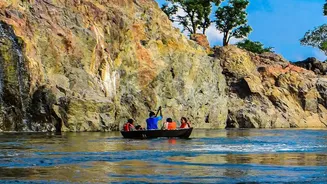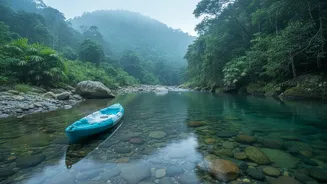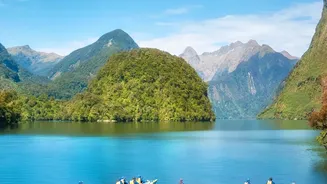


The Paradise of Shnongpdeng
Deep in the Jaintia Hills of Meghalaya, the Umngot River winds its way through lush landscapes, creating a haven for nature lovers in villages like Shnongpdeng and Dawki. The river is the region's main attraction, famous for its surreal transparency,
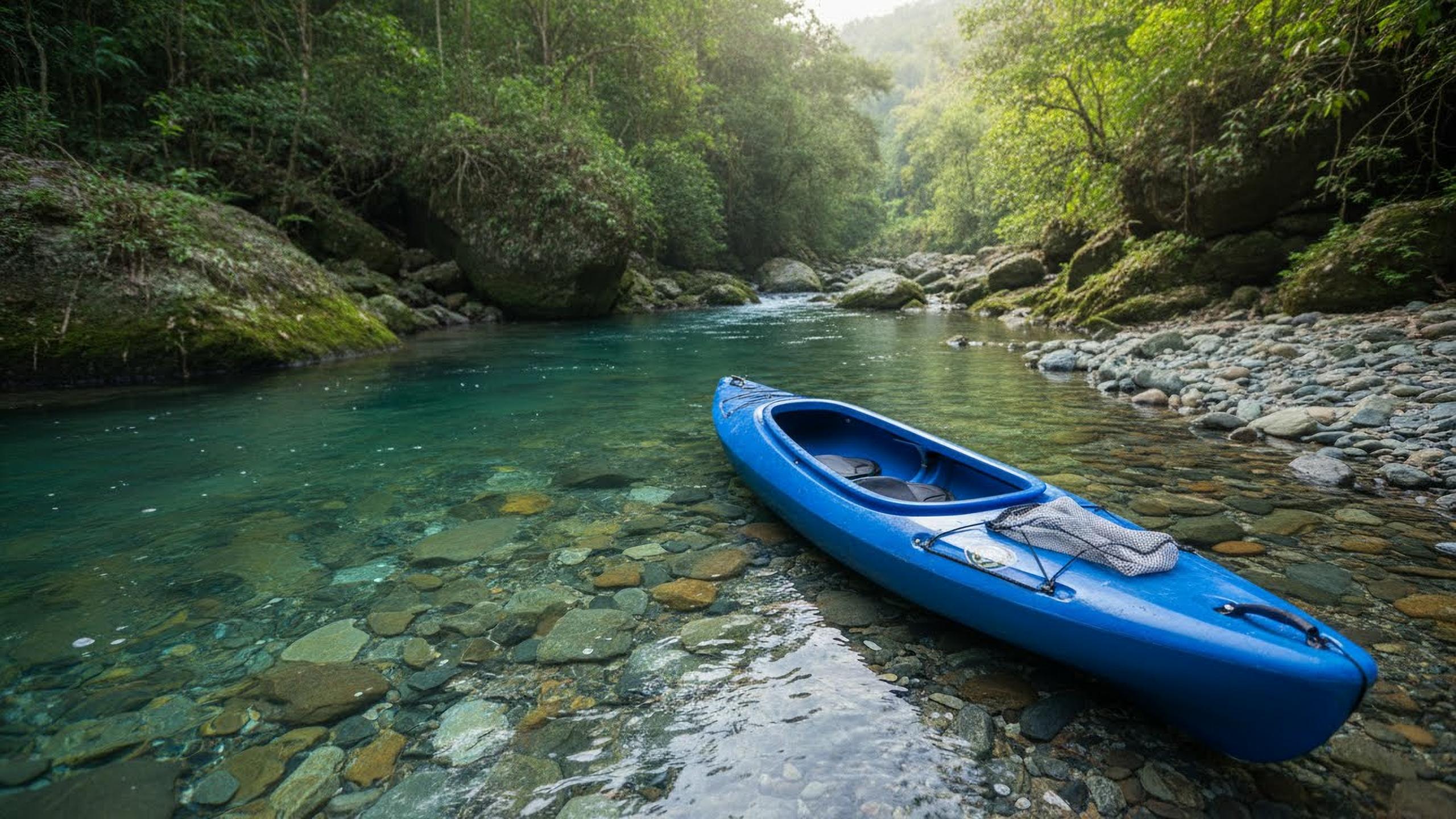
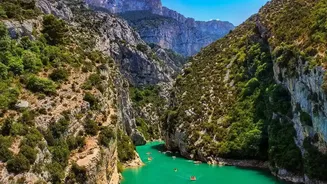
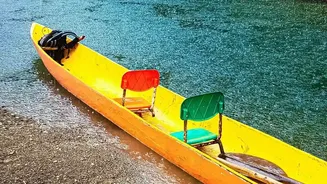
which allows visitors to see the riverbed pebbles and fish with startling clarity. Every year, travellers flock here to experience this natural wonder, gliding across the emerald-green water in colourful boats. This influx of tourism has become a vital source of income for local Khasi communities, supporting boatmen, homestay owners, and small businesses that offer everything from camping to cliff jumping.
An Unwelcome Intrusion
But with popularity comes peril. The very thing that makes the Umngot special—its pristine nature—is under threat. Increased footfall has inevitably led to a rise in pollution, particularly plastic waste like bottles and wrappers left behind by visitors. Even in these remote areas, litter finds its way into the water, spoiling the view and posing a long-term risk to the delicate aquatic ecosystem. While Meghalaya has seen several community-led cleanup drives on other rivers, such as the Umshait and Umkaliar, the challenge in tourist hotspots like Shnongpdeng requires a continuous effort, not just a one-time event.
Paddling with a Purpose
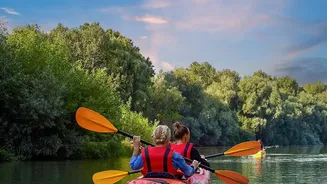
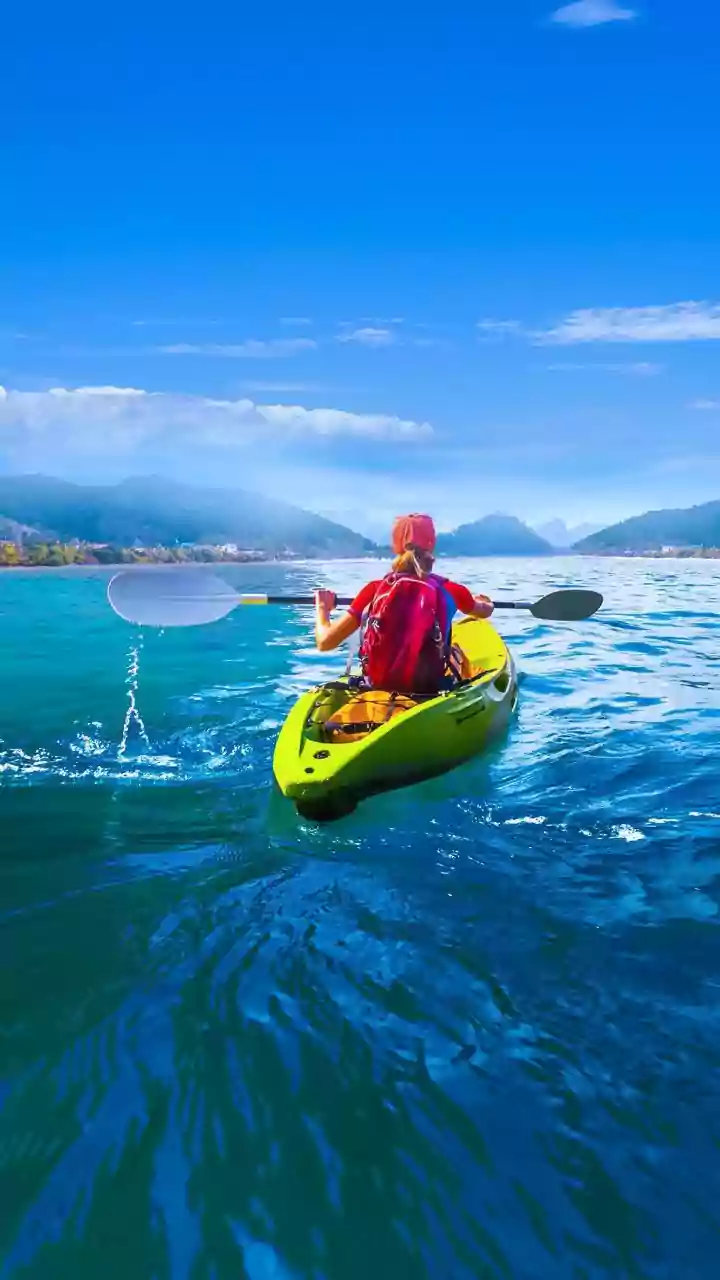
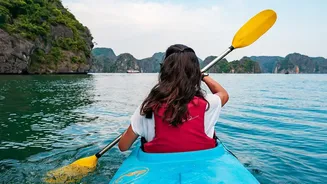
In response, a remarkable model of sustainable tourism has emerged, driven by the local communities who depend on the river for their livelihood. Instead of seeing tourism as the problem, they have turned it into part of the solution. Local tour operators and guides have begun integrating river cleanups directly into their adventure offerings. When travelers sign up for a kayaking trip, they are not just handed a paddle, but also a net or a bag. As they explore the serene waters, they are encouraged to become active custodians of the environment they are enjoying.
How the Initiative Works
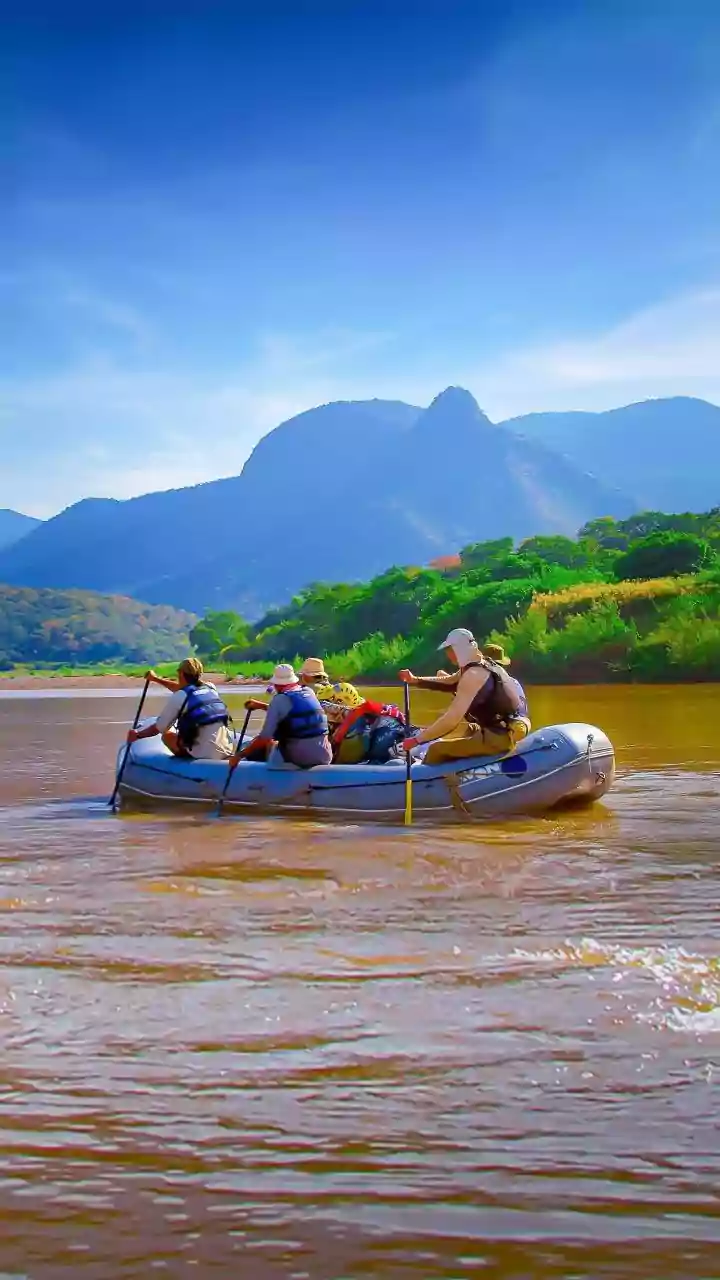
The process is simple but effective. During guided kayaking tours, travelers paddle alongside local guides who point out not only the scenic beauty but also any litter that needs to be collected. This collaborative effort transforms a simple recreational activity into a meaningful act of conservation. It’s not presented as a chore, but as a shared responsibility. The guides, who are members of the local community, educate visitors about the importance of keeping the river clean, fostering a sense of respect and partnership. This approach has been championed by various local operators who see it as essential for long-term sustainability.
More Than Just a Clean River
The impact of these community-led tours goes far beyond the immediate removal of waste. By involving tourists directly, the initiative raises environmental awareness in a powerful, hands-on way. Travelers leave with not just beautiful photos, but also a deeper appreciation for the effort required to preserve such places. For the local community, it reinforces a sense of ownership and pride, empowering them as guardians of their natural heritage. This model proves that adventure travel and environmental stewardship can go hand-in-hand, creating a system where tourism revenue directly supports the conservation of the very asset it relies on. It turns the visitor from a passive consumer into an active participant in preserving paradise.