



The Science Behind the Smell
The root cause of that unpleasant, musty odour is the growth of microscopic organisms. Even a tiny, invisible amount of water left in a sealed container creates the perfect dark, damp environment for bacteria and mould to thrive. As these microbes multiply,
they release gases that produce the funky smell you notice when you unseal the lid. Plastic containers are particularly susceptible. Their surfaces are porous, meaning they have microscopic crevices that can trap not only water but also oils and odour molecules from pungent foods like curries or garlic. While glass is less porous, its seals can still harbour moisture and bacteria if not dried properly. Essentially, if a container isn't bone-dry when you store it, you're setting the stage for a microbial party.
Banish Odours from Your Containers
If your containers already have a persistent smell, a simple wash with soap and water might not be enough. You need to deep clean to neutralize the source of the odour. One of the most effective methods involves baking soda. Fill the container with warm water and add a tablespoon of baking soda, letting it soak for several hours or overnight before rinsing. Alternatively, you can create a thick paste of baking soda and water, coat the inside of the container, and let it sit for a day before washing. Another powerful, natural deodorizer is white vinegar. A soak in a solution of equal parts water and white vinegar can disinfect and cut through stubborn smells. For a final assault, harness the power of the sun. UV light naturally breaks down odour-causing compounds, so leaving a clean container in direct sunlight for a day or two can work wonders.
The Art of Thorough Drying
Prevention is always the best strategy, and it all comes down to ensuring your containers are completely dry before you put them away. Simply running them through a dishwasher and immediately stacking them is a common mistake. Heat cycles can leave residual condensation. The most effective method is air drying. Once washed, place containers and lids separately on a drying rack in a well-ventilated area to allow air to circulate freely. If you're in a hurry, use a clean, dry cloth to wipe every surface, paying special attention to the rims, grooves, and silicone seals where water loves to hide. It may seem tedious, but this extra step is the single most important thing you can do to prevent moisture from getting trapped.
Store Smarter, Not Harder
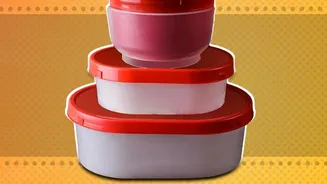
How you store your containers matters almost as much as how you dry them. The best practice is to store the bases and lids separately. Storing containers without their lids allows any lingering moisture to evaporate rather than getting trapped inside. This also prevents the container from developing a stale, plastic-y smell over time. While it might seem less organized, nesting the container bases together and filing the lids vertically in a separate basket or drawer is a far better strategy for keeping them fresh. This method not only prevents odours but also saves a significant amount of cabinet space. If you absolutely must store them with the lids on, tossing a pinch of salt inside can help absorb trace amounts of moisture and odours.