

A Return to Traditional Sweetness
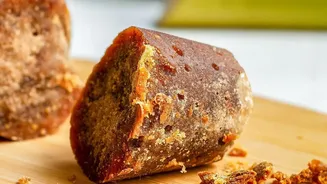
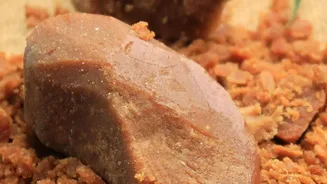
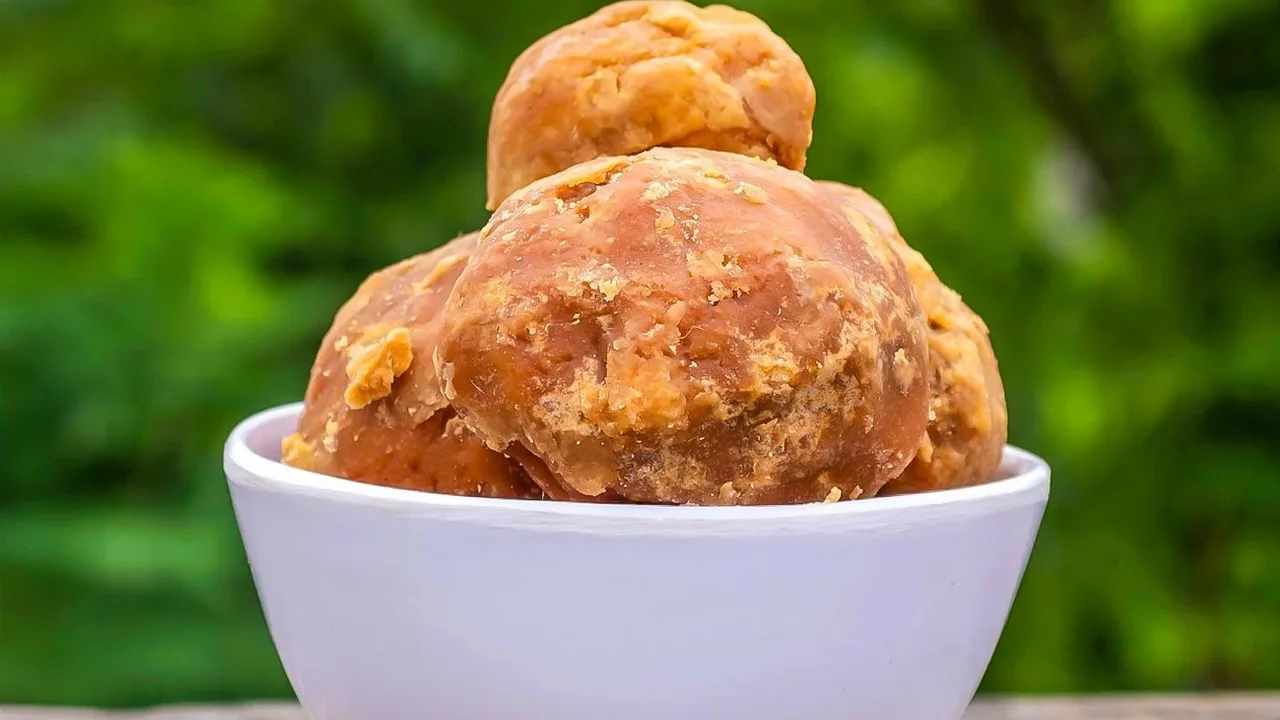
Step into any health-conscious kitchen today, and you are likely to find a block or jar of dark, crumbly palm jaggery. Known as Karupatti in Tamil Nadu or Nolen Gur in West Bengal, this sweetener is not new; it's an ancient staple making a major comeback.
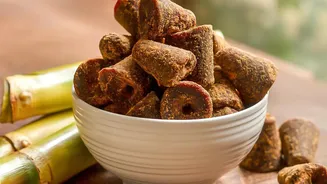
Unlike refined white sugar, which is processed from sugarcane, palm jaggery is made from the sap of palm trees like palmyra, date, or coconut palms. The process is beautifully simple: the collected sap is boiled, traditionally over firewood, until it thickens and solidifies. This minimal processing means it’s free from the chemicals and bleaching agents used to produce pristine white sugar.
The Health Halo: Jaggery vs. Sugar
The primary driver of this shift is wellness. While white sugar offers empty calories, palm jaggery retains many of the minerals and vitamins from its natural source. It's a notable source of iron, which is crucial for preventing anaemia, and also contains potassium, magnesium, and B vitamins. One of its most significant advantages is its lower glycemic index (GI), which is around 35-45 compared to white sugar's 60-65. This means it releases energy more slowly, preventing the sharp blood sugar spikes associated with refined sugar. However, it’s important to remember that jaggery is still a form of sugar. While it is a more nutritious choice, it should be consumed in moderation, especially by those monitoring their blood sugar levels.
A Baker’s New Best Friend
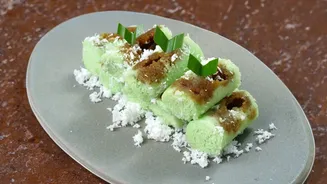
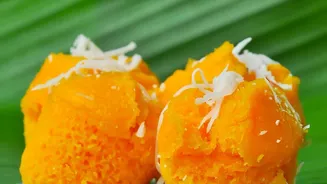
Beyond health, home bakers are falling in love with palm jaggery for its unique flavour and texture. It imparts a rich, complex taste with notes of caramel, molasses, and a hint of smokiness that white sugar cannot replicate. This flavour profile works exceptionally well in dense cakes, cookies, brownies, and traditional Indian sweets. When baking, palm jaggery adds moisture, resulting in softer, fudgier textures. Its dark colour gives bakes a beautiful, rustic brown hue. The home baking trend in India has seen a wonderful fusion of western techniques with traditional Indian ingredients, and palm jaggery is at the forefront of this creative movement.
Making the Switch: Practical Tips
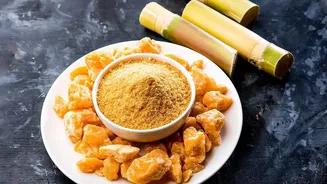
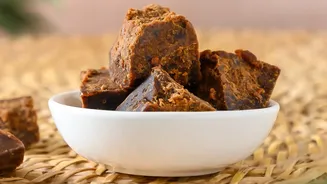
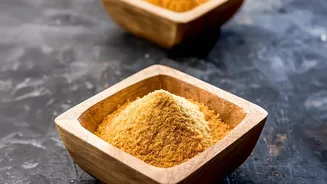
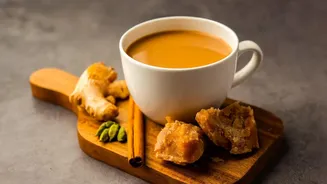
Thinking of joining the revolution? Switching from sugar to palm jaggery is simple, but it's not always a direct one-to-one swap. Jaggery is often considered slightly less sweet than refined sugar, so a common rule of thumb is to use about 1.25 cups of jaggery for every cup of sugar a recipe calls for. It's available in solid blocks or as a more convenient powder. If you're using a block, you can grate it or melt it with a little water to create a syrup. Straining the melted syrup is a good practice to remove any fine impurities. Start by substituting it in recipes where its deep flavour can shine, such as in spice cakes, oat cookies, or a warming cup of chai.