

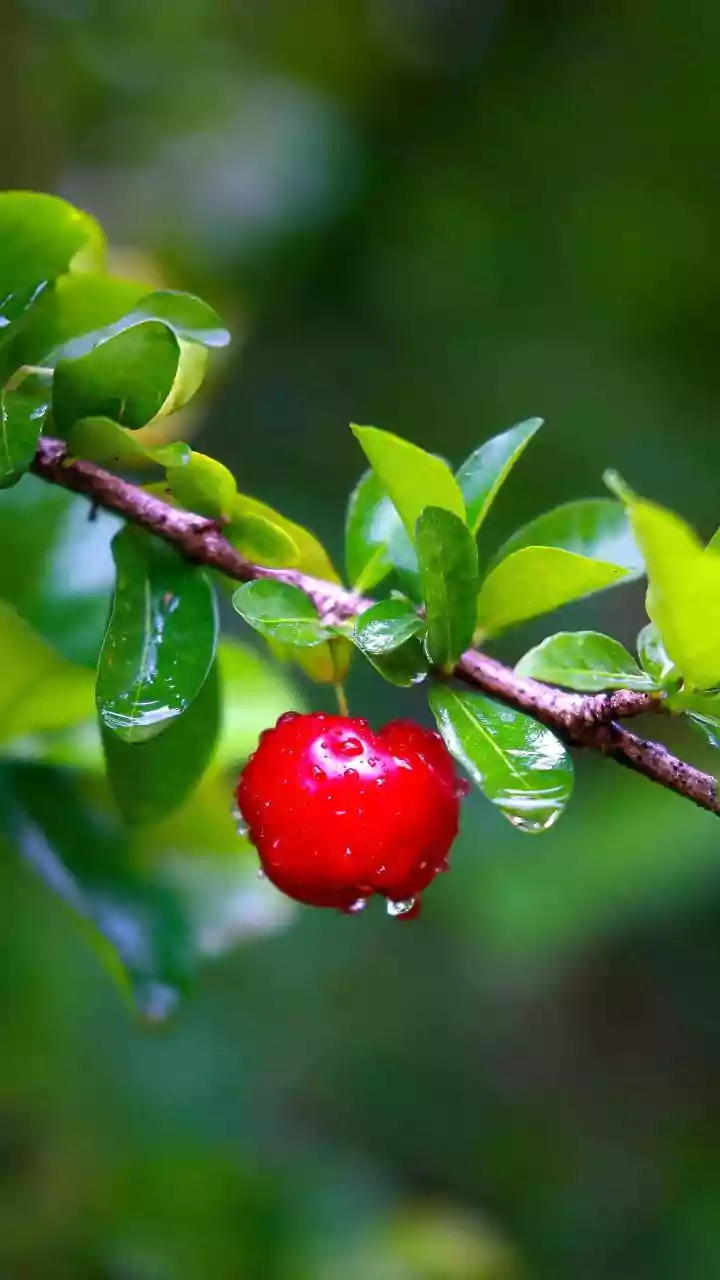






Jamun (Indian Blackberry)
This deep purple fruit is a quintessential monsoon delight, and for good reason. Jamun is loaded with Vitamin C and iron, two essential nutrients for a robust immune system. Vitamin C helps in the production of white blood cells, which are the body's
primary defence against infections. Iron is crucial for maintaining healthy haemoglobin levels, preventing the fatigue and weakness that can make you more susceptible to illness. Jamun also has diuretic and astringent properties, which can help with water retention and digestive issues—common complaints during the rainy season. Its low-calorie count makes it a guilt-free snack for satisfying sweet cravings.
Bhutta (Corn on the Cob)
The smell of roasted bhutta is synonymous with rainy days in India. Beyond being a delicious and comforting snack, corn is a powerhouse of nutrition. It is rich in dietary fibre, which is vital for maintaining a healthy digestive system. The high humidity of the monsoon can slow down digestion, and a fibre-rich diet helps prevent issues like bloating and constipation. Corn is also packed with antioxidants, particularly lutein and zeaxanthin, which are beneficial for eye health. The B vitamins found in corn, including thiamine and niacin, are essential for energy metabolism, helping you stay active and energetic even on gloomy, overcast days.
Gourds (Lauki and Karela)
The gourd family, especially bottle gourd (lauki) and bitter gourd (karela), should be a staple in your monsoon diet. Lauki has a very high water content (about 92%), making it excellent for hydration. It is also extremely easy to digest and gentle on the stomach. On the other hand, karela, despite its bitter taste, is revered for its potent medicinal properties. It is packed with antiviral compounds and Vitamin C, which significantly enhance the body's ability to fight off infections. Its antibacterial nature can help combat skin problems like acne and boils, which often flare up during the humid monsoon weather.
Pomegranate (Anaar)
The jewel-like seeds of a pomegranate are not just beautiful; they are bursting with health benefits that are particularly useful during the monsoon. Pomegranates are one of the most powerful antioxidant-rich fruits. These antioxidants, especially punicalagins and punicic acid, help reduce inflammation in the body and fight free radical damage, strengthening your overall immunity. Regular consumption can help protect you from common colds, flu, and other seasonal infections. The fruit is also a good source of fibre and vitamins K and C, supporting everything from gut health to blood clotting and skin vitality.
Plums and Peaches
These juicy stone fruits arrive in the market just as the monsoon begins and offer a sweet dose of wellness. Both plums and peaches are excellent sources of dietary fibre, which aids digestion and prevents the sluggishness associated with the season. They are also rich in antioxidants like phenols and Vitamin C, which help bolster the immune system and protect the body from cell damage. Their high water content contributes to hydration, while their natural sweetness can curb cravings for processed, unhealthy sugars. Enjoy them fresh as a snack or add them to your morning bowl of yoghurt or oatmeal.
Ginger and Turmeric
While not fruits or vegetables, these root spices are indispensable during the monsoon. Ginger is a well-known remedy for sore throats, colds, and indigestion. Its active compound, gingerol, has powerful anti-inflammatory and antioxidant effects. A warm cup of ginger tea can provide immense relief from a cough or congestion. Similarly, turmeric contains curcumin, a compound with potent anti-inflammatory, antiseptic, and immunity-boosting properties. Adding a pinch of turmeric to milk (haldi doodh) or your daily cooking can help keep infections at bay and promote overall wellness during the damp and dreary weather.