


From Spectator to Participant
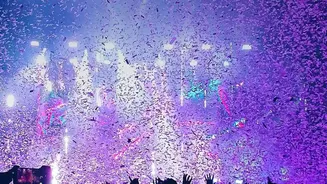
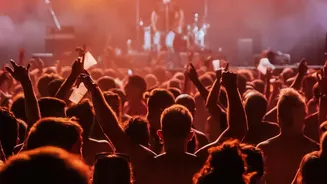
The traditional concert model was simple: artists perform, and audiences listen. Today, that one-way street is becoming a bustling intersection of interaction. Fans are no longer content to just watch from afar; they want to be part of the show. This
shift is turning passive listeners into active participants. We see this in small but meaningful ways, like artists responding to crowd energy, and in more structured formats, like live-streamed shows where fans can vote on the next song or join Q&A sessions. It's a fundamental change driven by a desire for a more personal and memorable experience, moving beyond just hearing the music to feeling a part of its creation. This creates a stronger sense of community and loyalty, transforming a ticket into a token of belonging.
Technology as the Bridge
Smart technology is the engine driving much of this change. Dedicated artist apps, for instance, create digital fan clubs with exclusive content and early ticket access. During the show itself, technologies like augmented reality (AR) and virtual reality (VR) are creating entirely new ways to engage. Imagine using your phone to unlock 3D animations on stage or attending a virtual concert as a digital avatar, interacting with the artist and other fans from your living room. Travis Scott's concert within the video game 'Fortnite' is a prime example, where a giant avatar of the artist performed in a changing animated world. These tools are breaking down the physical barriers of a venue, allowing for deeper, more immersive connections that were previously impossible.
The Rise of the VIP Experience
Beyond technology, the very concept of a premium ticket is evolving. The 'VIP experience' once meant a better seat and maybe a free drink. Now, it's a gateway to genuine connection. Superfans are increasingly willing to invest in packages that offer soundcheck access, pre-show Q&As, and intimate acoustic sets reserved for a small group. These curated moments provide a level of proximity that a stadium show can't offer, turning a massive event into a personal memory. This trend reflects a broader shift in the music economy; with streaming revenues being what they are, artists and labels are focusing on live shows and premium offerings as a significant revenue stream built on fan loyalty.
An Indian Perspective: Authenticity and Access
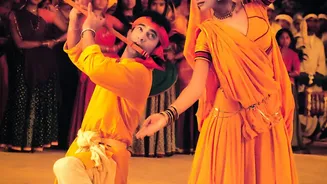
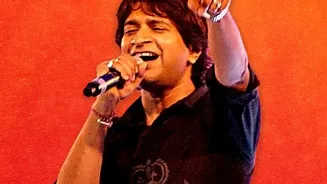
In India, the desire for authentic connection often plays out in spontaneous, heartfelt moments. During his recent tours, Diljit Dosanjh has become known for his direct interactions with fans, from bringing a fan in a Rajasthani turban on stage to celebrate local pride, to gifting his jacket to another who left a family function to be there. Similarly, when a fan jumped on stage during a Sonu Nigam concert, the singer calmly stopped security, handed the fan the mic to sing, and turned a potentially chaotic moment into a wholesome interaction. While he also warned of the dangers, the incident highlighted the deep respect and emotional connection fans feel. These unscripted events, amplified by social media, show that the Indian audience craves not just a performance, but a genuine exchange with the artists they admire.
More Than a Show, It's a Community
Ultimately, the evolution of live shows is about building a community, not just an audience. Artists are using social media to continue the conversation long after the encore, sharing behind-the-scenes content and responding directly to comments. They are also using data analytics to understand what their fans want, from popular songs to preferred merchandise. This feedback loop helps tailor experiences and strengthens the bond between artist and fan. The goal is no longer just to sell out a venue for one night, but to foster a sustained, loyal following that feels seen, heard, and valued. It’s a move from a temporary event to a lasting relationship.