



The Gateway: Understanding ISRO Recruitment
The primary entry point for engineering graduates into ISRO is through the ISRO Centralised Recruitment Board (ICRB) exam. This competitive exam is typically followed by an interview, with selections based on performance in both. While ISRO recruits from
various disciplines, the highest demand is often for Mechanical, Electronics & Communication, and Computer Science engineers. However, aerospace, electrical, and civil engineering graduates also find numerous opportunities. The initial position for most engineers is Scientist/Engineer 'SC', a Level 10 post that offers a competitive salary and numerous government allowances. From this starting point, a well-defined career progression path allows for significant growth based on performance and experience, with opportunities to rise to the level of 'Distinguished Scientist'.
Propulsion and Launch Vehicle Engineering
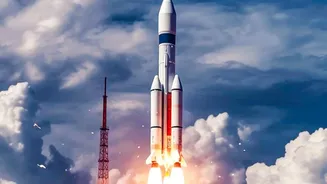
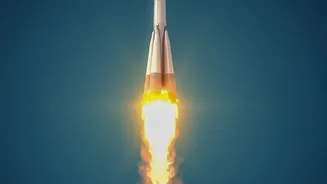
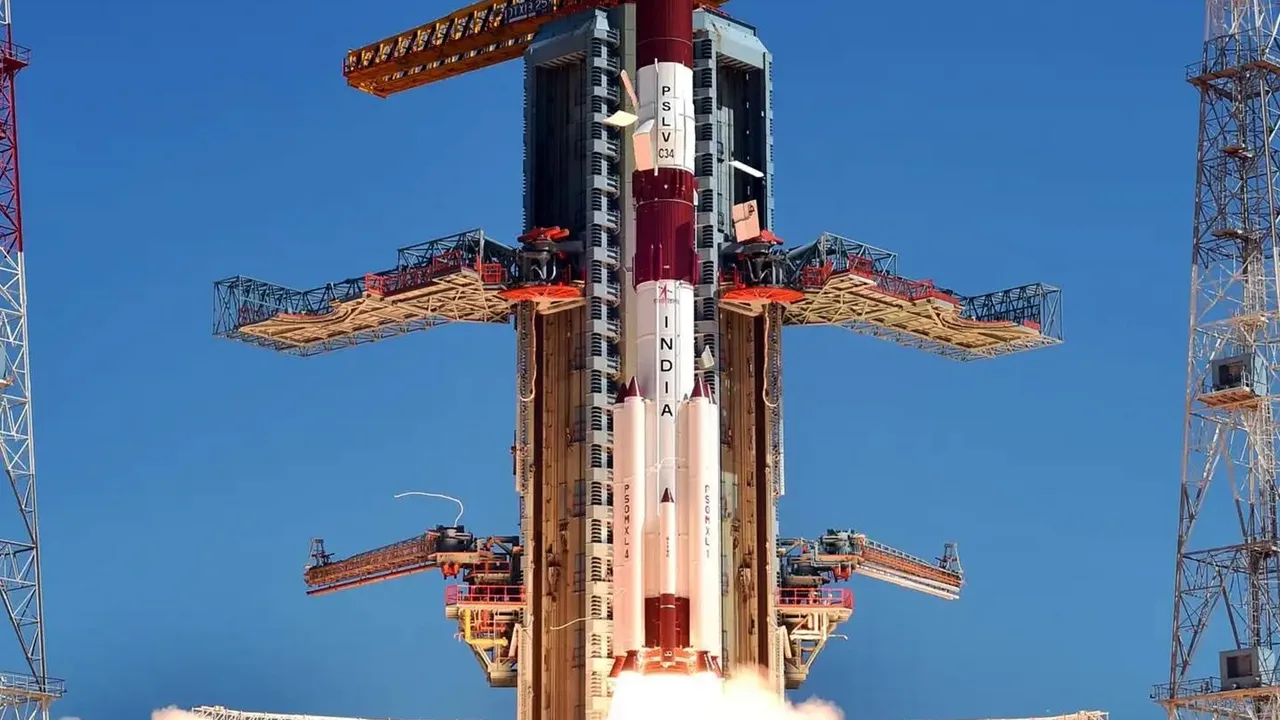
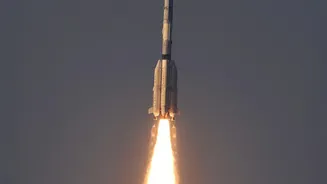
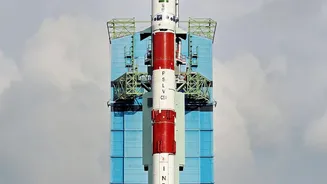
The very foundation of any space mission is the rocket that carries it beyond Earth's atmosphere. This makes launch vehicle technology and propulsion systems a perennial high-growth area within ISRO. With the development of next-generation and reusable launch systems being a key strategic focus, engineers in this domain are crucial. This field involves working on everything from solid and liquid propellants to advanced cryogenic engines. Mechanical and aerospace engineers are at the forefront here, designing, developing, and testing the powerful engines that are the workhorses of missions like Gaganyaan and future heavy-lift rockets. As ISRO aims to increase its launch frequency and capability, the demand for experts in propulsion will only intensify.
AI, Robotics, and Computer Science
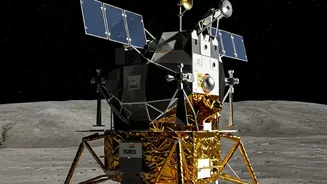
The future of space exploration is intelligent and autonomous. This is where engineers specializing in Artificial Intelligence (AI), Machine Learning (ML), Robotics, and Computer Science come in. These technologies are critical for a wide range of applications, from the autonomous navigation and operations of lunar and planetary rovers to analysing the vast amounts of data sent back from satellites. Upcoming missions, including potential successors to Chandrayaan and Mars Orbiter Mission, will rely heavily on these advanced computational capabilities. Computer science engineers are needed to develop mission-critical software, ground control systems, and data processing tools, making this one of the most dynamic and rapidly evolving fields at ISRO.
Satellite Technology and Communications
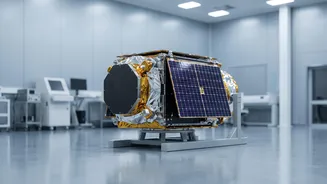
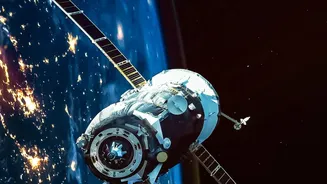
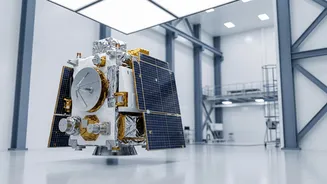
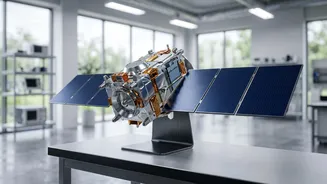
Satellites are the backbone of India's communication, navigation, weather forecasting, and remote sensing infrastructure. This makes satellite technology a consistently high-growth career path. ISRO's plans include expanding its satellite constellations, including the NAVIC navigation system, and developing more advanced payloads for various applications. Engineers in Electronics and Communication are vital in this domain. They work on designing and integrating complex communication systems, sensors, and payloads that are the heart of every satellite. As ISRO also looks to enable private sector participation in scaling mature technologies, expertise in satellite manufacturing and operations will become even more valuable.
Advanced Materials and Manufacturing
Building spacecraft and rockets that are both lighter and stronger is a constant challenge. This is the domain of materials scientists and mechanical engineers who specialize in advanced materials. Developing new alloys, composites, and heat-resistant materials is essential for creating more efficient and durable space hardware. This field is crucial for human spaceflight missions and deep-space exploration where reliability is paramount. Furthermore, ISRO is increasingly leveraging advanced manufacturing techniques like 3D printing to create complex components with greater precision and speed. Engineers with expertise in materials science and modern manufacturing processes are thus in a position to make a fundamental impact on the future of space technology.