





A Change in the Air
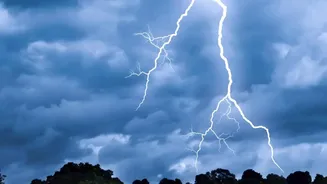
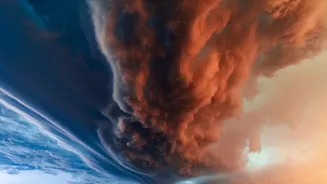
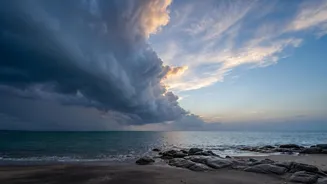
The most immediate change will be the weather itself. While the formal withdrawal is a gradual process that typically begins in the northwest around mid-September, its effects are already being felt. Satellite images show reduced cloud cover, signaling
weaker monsoon activity. This translates to lower humidity, clearer skies, and a drop in widespread, continuous rainfall for many regions. However, this doesn't mean the rain will stop everywhere at once. The retreat is staggered, so while northern and central parts may begin to dry out, eastern and northeastern India could still experience significant rainfall. Temperatures are also expected to rise in many areas as the cloud cover dissipates, leading to warmer days before the gentler autumn weather sets in.
The Harvest Season Begins
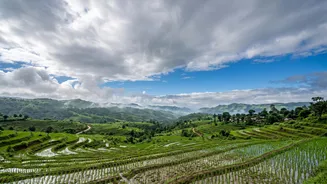
For India's vast agricultural sector, the monsoon's retreat is a critical time. It marks the end of the Kharif or monsoon cropping season and the beginning of the harvest. Farmers who sowed crops like rice, maize, cotton, and soybean at the start of the rains in June and July will now be preparing to reap their produce between September and October. The success of this harvest is heavily dependent on the monsoon's performance. A timely retreat with adequate soil moisture allows crops to mature fully. This period is crucial for the rural economy, as a good harvest boosts farmer incomes and has a ripple effect on related industries and overall economic sentiment. It also sets the stage for the next agricultural cycle: the Rabi season, where crops like wheat and mustard are sown in winter.
A Shift in Health Concerns
The end of heavy rains brings a change in public health priorities. The monsoon months are notorious for water-logged streets and stagnant puddles, which become breeding grounds for mosquitoes. This leads to a spike in vector-borne diseases like dengue, malaria, and chikungunya. As the water recedes, the risk for these particular illnesses may gradually decrease, though vigilance is still required as long as stagnant water remains. Simultaneously, the shift towards a drier, dustier environment can lead to an increase in respiratory issues and allergies for some. The transition period requires a continued focus on public health, from clearing potential mosquito breeding sites to being mindful of changing air quality.
Festivals Under Clearer Skies
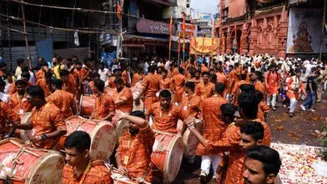
Culturally, the post-monsoon period is one of the most vibrant times of the year. The clearer, more pleasant weather provides the perfect backdrop for a series of major festivals across the country. Ganesh Chaturthi immersions often mark the tail-end of the rainy season in many parts of western India. This is followed by the nine nights of Navratri, famous for its energetic Garba and Dandiya Raas dances, and Dussehra, which celebrates the victory of good over evil with the burning of effigies. In eastern India, this period is synonymous with Durga Puja, an elaborate five-day festival. These festivals, celebrated with outdoor festivities, processions, and community gatherings, are made all the more joyous by the retreat of the heavy rains.