




An Eight-Day Cultural Spectacle
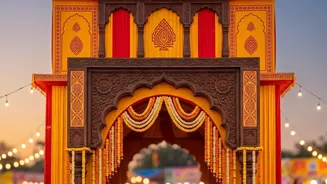
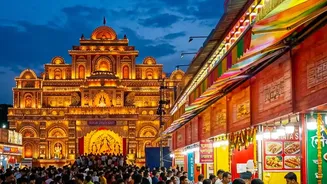
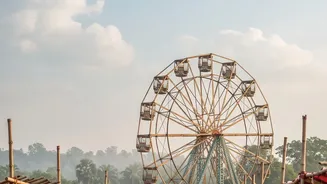
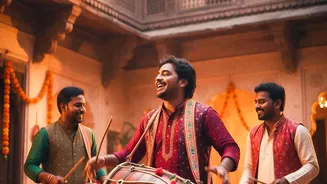
Running from November 17 to November 24, the Pushkar Fair is an eight-day event that transforms the desert landscape into a kaleidoscope of colour, commerce, and culture. The festival officially commenced with a flag-hoisting ceremony and the resonant
sounds of Nagada drums at the Mela Ground. This annual event, one of the world's largest camel and livestock fairs, draws traders, tourists, and spiritual seekers from across the globe. The fair is ingeniously structured in two parts: the initial days focus on livestock trading, while the latter half is dedicated to cultural events and religious ceremonies.
The Heart of the Fair: Livestock Trading
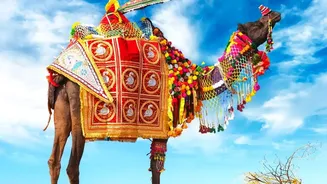
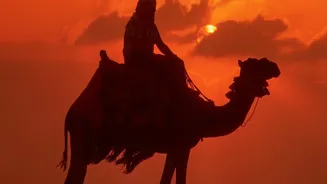
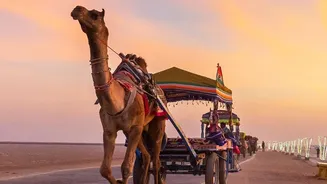
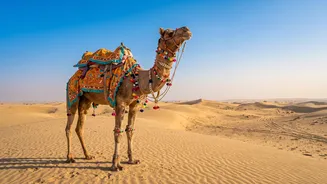
The first few days of the Mela, from November 17 to around November 20, are the busiest for animal trading. Thousands of camels, horses, and cattle are brought to the dunes, where herders negotiate deals that have been a cornerstone of this gathering for centuries. This period offers an authentic glimpse into the raw, rustic lifestyle of Rajasthani pastoralists. For visitors, the sight of more than 25,000 camels, many intricately decorated for competitions, is a photographer's dream and the traditional soul of the fair. The opening days are when the energy of commerce is most palpable, with deals often sealed over morning chai as the sun rises over the desert.
A Carnival of Competitions and Culture
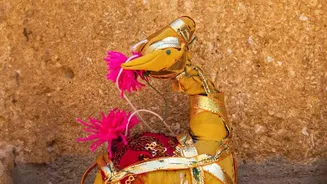
As the trading activities begin to wind down, the fair's focus shifts to a spectacular array of cultural programmes sponsored by Rajasthan Tourism. The schedule is packed with unique and entertaining contests. Highlights include the famed moustache competition, where contestants display facial hair grown with years of pride, and a turban-tying competition, often with a special category for international visitors. Other events include camel decoration contests, horse dancing, and traditional rural sports like matka phod (pot breaking) and kabaddi matches. A 'Lagaan-style' cricket match between locals and tourists is also a recurring favourite, adding a modern, friendly rivalry to the historic proceedings.
Music, Dance, and Handicrafts
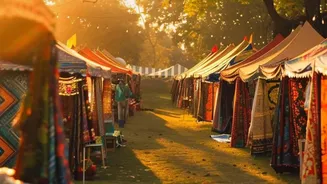
Evenings at the Pushkar Mela are filled with the sounds of Rajasthani folk music and the sight of enchanting dance performances like the Kalbelia. Acclaimed artists and local troupes take to the stage, their performances exploring themes of love and life against the backdrop of the starlit desert sky. The fair also features a Shilpgram (crafts village), which opened on November 20, where artisans from across the region sell textiles, jewellery, leather goods, and other handicrafts. It's an ideal place for visitors to find authentic souvenirs and witness the rich artistic traditions of Rajasthan firsthand.
The Spiritual Climax
The Pushkar Mela is deeply intertwined with spirituality, coinciding with the holy month of Kartik. The fair culminates on Kartik Purnima, the full moon night, which falls on November 24 this year. On this auspicious day, thousands of pilgrims flock to the sacred Pushkar Lake to take a holy dip in its 52 ghats, an act believed to cleanse sins and bestow blessings. The evening Maha Aarti at the ghats, where countless flickering oil lamps are floated on the water, creates a mesmerising and deeply spiritual atmosphere. This confluence of commerce and devotion is what makes the Pushkar Fair a truly unique experience.