

Instead of Kyoto, Try Kanazawa
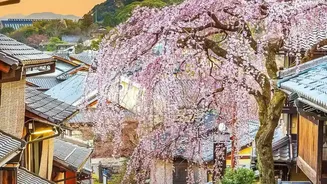
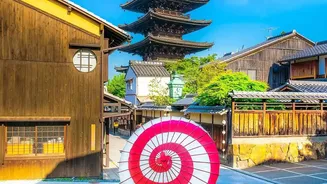
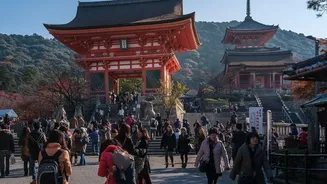
Kyoto is the cultural heart of Japan, but its fame brings intense crowds, especially in Gion and Arashiyama. For a similar atmosphere with a fraction of the visitor pressure, consider Kanazawa. Often called 'Little Kyoto', Kanazawa boasts beautifully
preserved geisha districts, such as Higashi Chaya, where you can explore traditional wooden teahouses. It's home to Kenrokuen, one of Japan's three most beautiful landscape gardens, and the Nagamachi samurai district, which offers a glimpse into the lives of ancient warriors. While Kanazawa has fewer major temple complexes than Kyoto, its compact, walkable layout and celebrated fresh seafood from the Sea of Japan provide a more relaxed and equally rewarding cultural experience.
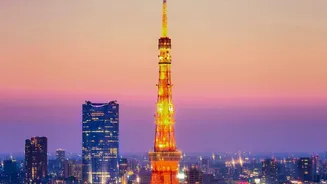
Instead of Tokyo's Buzz, Try Fukuoka's Vibe
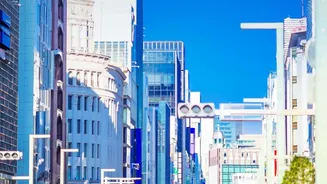
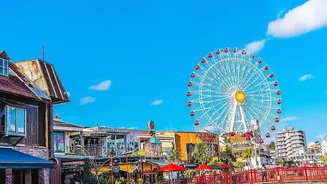
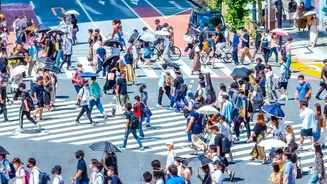
Tokyo is an electrifying metropolis, but for a city that combines urban energy with a more laid-back feel, Fukuoka on the island of Kyushu is an excellent choice. Known as one of Japan's most underrated cities, Fukuoka is celebrated for its exceptional food scene, particularly its Hakata-style tonkotsu ramen and the famous 'yatai'—open-air food stalls that line the streets at night. The city is compact and easy to navigate, with an airport just minutes from the city center. Beyond the food, you can explore the historic Kushida Shrine, relax in Ohori Park, or take day trips to nearby attractions like the Dazaifu Tenmangu Shrine. Fukuoka offers the vibrancy of a major Japanese city without the overwhelming scale of Tokyo.
Instead of Arashiyama Bamboo Grove, Try a Quieter Path
The Arashiyama Bamboo Grove in Kyoto is iconic, but the experience can be spoiled by crowds. For that magical, serene bamboo experience, there are several wonderful alternatives. In Kamakura, the Hokoku-ji Temple, often nicknamed the 'Bamboo Temple', features a stunning grove of around 2,000 bamboo stalks with a path leading to a teahouse where you can enjoy matcha. Even within Kyoto, quieter options exist. Adashino Nenbutsu-ji, a temple with a small but dense bamboo grove, offers a tranquil and atmospheric alternative away from the main tourist trail. Another great option is the Take-no-Michi, a 1.8-kilometer path in Muko City, just outside Kyoto, that provides a much more immersive and local bamboo walk.
Instead of Miyajima Island, Try the Setouchi Art Islands
The floating torii gate of Miyajima is a breathtaking sight, but it draws huge numbers of visitors. For a unique island-hopping experience that combines stunning sea views with contemporary art, head to the Seto Inland Sea. Here, islands like Naoshima, Teshima, and Inujima have been transformed into world-class art destinations. Naoshima is famous for its museums, including the Benesse House and Chichu Art Museum, and iconic outdoor sculptures like Yayoi Kusama's yellow pumpkin. You can travel between the islands by ferry, exploring art installations set against the backdrop of tranquil fishing villages and beautiful coastlines. This area offers a completely different, yet equally memorable, island adventure.
Instead of Hakone, Try the Japan Alps
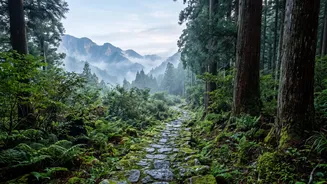
Hakone is the go-to spot from Tokyo for views of Mount Fuji and onsen (hot springs), but it can be extremely busy. For equally spectacular mountain scenery and a deeper sense of nature, venture into the Japan Alps in regions like Nagano. The mountain town of Matsumoto serves as a gateway to the Alps and features one of Japan's most beautiful original castles. From there, you can access Kamikochi, a pristine highland valley renowned for its crystal-clear rivers and dramatic peaks, offering some of Japan's best hiking trails. While you may trade a direct view of Fuji, you'll gain access to a vast, untouched wilderness with far fewer people.