


What Exactly Is a 'Planet Parade'?
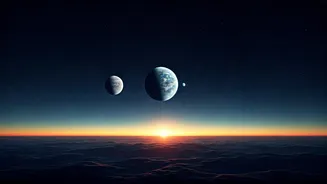
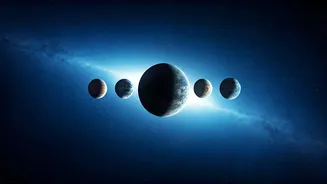
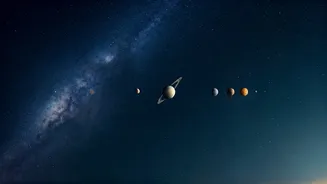
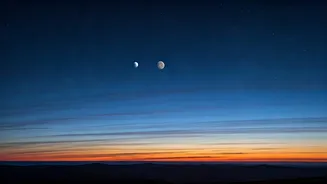
First, let's clear up the terminology. While 'planet parade' or 'alignment' sounds like the planets are forming a perfect straight line in space, that's not quite what happens. From our vantage point on Earth, it simply means that several planets appear
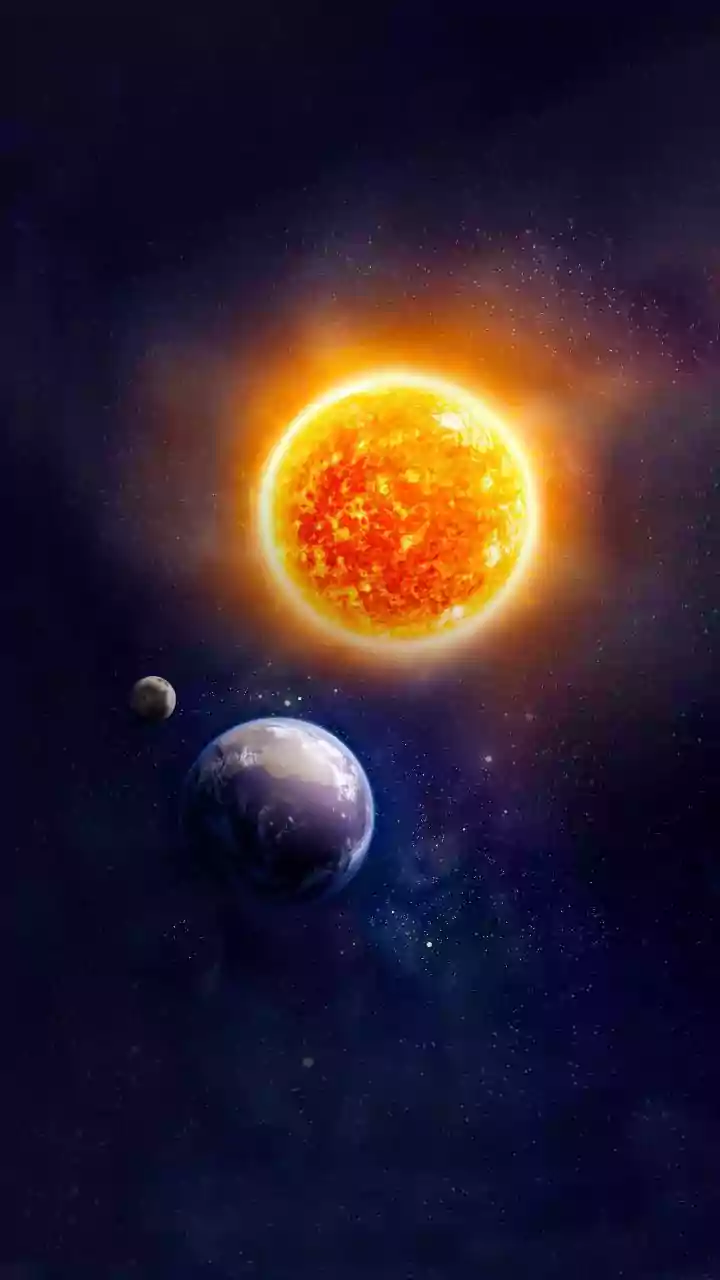
in the same small sector of the night sky. Think of it less like a military parade and more like friends gathering in the same corner of a large room. These events happen because all the planets in our solar system orbit the Sun on a relatively flat plane, called the ecliptic. Occasionally, a few of them end up on the same side of the Sun at the same time, creating a beautiful string of bright 'stars' for us to see. While not astronomically cataclysmic, it’s a stunning visual reminder of the grand, clockwork motion of our solar system.
Meet the Celestial Trio
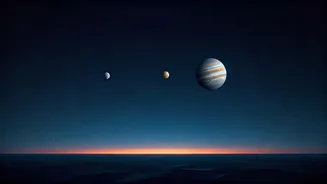
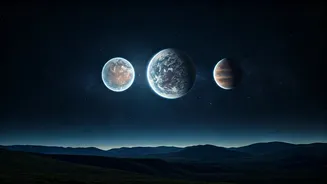
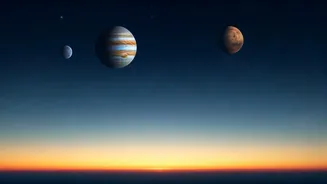
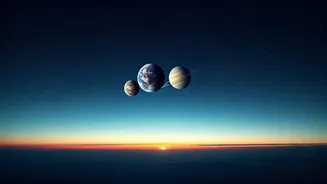
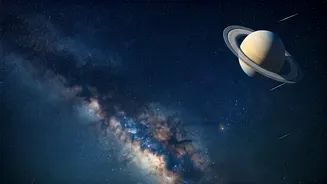
Tonight's main attractions are three distinct and fascinating worlds: Mars, Jupiter, and Saturn. Mars, the 'Red Planet', will be identifiable by its distinct reddish-orange hue. It’s our second-closest planetary neighbour and a world of intense scientific curiosity. The undisputed king of the show is Jupiter, the largest planet in our solar system. It will shine brilliantly, outshining every star in the sky. Even with basic binoculars, you might be able to spot its four largest moons—Io, Europa, Ganymede, and Callisto—as tiny pinpricks of light huddled close. Finally, there's Saturn, the ringed jewel. While its famous rings aren't visible to the naked eye, it will appear as a steady, bright yellowish-white point of light. Seeing these three celestial giants grouped together is a truly special experience.
Your Guide to Watching From India
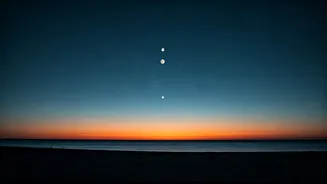
The best part about this event is its accessibility. You won’t need any fancy equipment. For the best view from anywhere in India, find a spot with a clear, unobstructed view of the eastern horizon, away from bright city lights if possible. The show begins in the pre-dawn hours. Plan to be outside around 4:30 AM IST. As the sky begins to lighten, you'll see the planets rise. Jupiter will be the most dazzlingly bright object, making it your anchor point. Mars will be nearby with its signature reddish tint, and Saturn will be a bright, steady point of light completing the trio. They will be visible for about an hour before the rising sun washes them out. Just give your eyes a few minutes to adjust to the darkness, and the planetary gathering will reveal itself.
Do I Need a Telescope?
Absolutely not! Mars, Jupiter, and Saturn are three of the five 'naked-eye planets' that have been observed by humans for millennia. Their brightness makes them easy to spot without any aid. However, if you have a pair of binoculars, you'll get an even better experience. Point them at Jupiter, and you might just resolve its Galilean moons. A small amateur telescope will elevate the show even further, potentially revealing Saturn's iconic rings or even some cloud bands on Jupiter. But don't let a lack of equipment stop you. The simple act of spotting these distant worlds with your own eyes is where the real magic lies. It's a direct connection to the vastness of space, available to everyone.
More Than Just a Pretty Sight
While it's easy to get caught up in the visual spectacle, take a moment to appreciate what you're seeing. This isn't an astrological sign or a cosmic omen; it's a beautiful consequence of orbital mechanics. You are witnessing a fleeting moment in the grand, silent dance of our solar system. Earth is in just the right place in its own orbit to see these other worlds seemingly clustered together. These alignments have inspired awe and wonder in humans for thousands of years, helping our ancestors map the seasons and understand the heavens. When you look up tonight, you're part of that long, unbroken tradition of human curiosity.