








The Wisdom in Your Kitchen
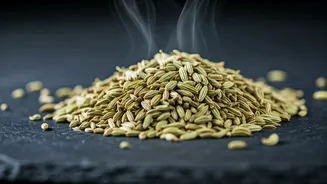
In every Indian household, the humble coriander seed, or dhaniya, is a culinary workhorse. It forms the base of countless masalas, adds a warm, citrusy aroma to curries, and garnishes our favourite dishes. But beyond its flavour, dhaniya holds a revered
place in traditional wellness practices, from Ayurveda to the simple home remedies passed down by our grandmothers. For generations, these tiny seeds have been the go-to solution for digestive woes. This isn't just folklore; it's a piece of practical wisdom rooted in observing how certain foods affect our bodies. Reaching for coriander seed water is like tapping into an ancient, accessible pharmacy that has always been right in our own kitchens.
Why Coriander Helps Soothe Your Gut
The headline's promise of 'fixing' bloating sounds bold, but there's a gentle science to back up dhaniya's soothing reputation. Coriander seeds are known for their carminative properties, which means they can help prevent the formation of gas in the gastrointestinal tract and facilitate its expulsion. This action directly tackles the root cause of that swollen, gassy feeling. Furthermore, compounds within the seeds, such as linalool and borneol, are believed to aid in digestion by stimulating the liver to produce more bile and encouraging the secretion of digestive enzymes. This helps your body break down food more efficiently, reducing the chances of indigestion and the subsequent bloating that often follows a heavy meal. So, while it may not be a magic cure, it provides tangible support to your body’s natural digestive processes.
How to Make This Simple Tonic
Creating this gut-soothing tonic is incredibly simple and requires no special equipment. You likely have everything you need already. Here’s the most common and effective method: 1. Gather Your Ingredients: You will need 1 tablespoon of whole coriander seeds and about 1.5 glasses of water. 2. The Boiling Method: In a small saucepan, bring the water to a boil. Add the coriander seeds. Let the mixture simmer on low heat for 5-7 minutes, or until the water reduces slightly and takes on a pale, yellowish-brown hue. The kitchen will fill with a wonderfully earthy aroma. 3. Strain and Serve: Turn off the heat and let it sit for a minute. Strain the water into a cup, discarding the seeds. Your tonic is ready to drink. For a no-cook alternative, you can also soak 1 tablespoon of seeds in a glass of water overnight. In the morning, simply strain and drink the infused water.
When and How to Drink It
For the best results, timing and temperature matter. It's most beneficial to drink the coriander seed tonic warm, as warm liquids are generally gentler on the digestive system. Many people find it most effective when consumed first thing in the morning on an empty stomach. This can help kick-start your digestive system for the day and set a calm foundation for your gut. Alternatively, drinking a warm cup about 30 minutes after a particularly heavy or rich meal can work wonders to prevent bloating and that feeling of sluggishness from setting in. Consistency is key; incorporating this into your daily or post-meal routine can offer more sustained relief than using it sporadically. Listen to your body and see which timing works best for you.
Beyond Bloating: Other Gentle Benefits
While easing bloating is its most celebrated benefit, coriander water is a multi-tasking tonic. The seeds are a good source of antioxidants, which help fight free radicals in the body. Traditional beliefs also hold that coriander has a 'cooling' effect on the system, making it beneficial for managing acidity and excess body heat. Some also find it helpful for regulating menstrual cycles and improving skin health due to its anti-inflammatory and antibacterial properties. It's also a natural diuretic, which can help your body flush out excess water and sodium, further contributing to a less bloated feeling. Think of it not just as a fix for one problem, but as a gentle, holistic addition to your overall wellness.