








The Familiar Tatkal Scramble
For years, the Tatkal booking window has been a digital battlefield. Millions of users descend upon the IRCTC website at 10 AM for AC classes and 11 AM for non-AC, all vying for a limited pool of last-minute tickets. The result is often a frustrating
experience marked by a slow-loading website, server timeouts, endless CAPTCHA puzzles, and payment gateway failures. On popular routes, tickets vanish within seconds, leaving countless travellers with nothing but a waitlisted PNR and a sense of defeat. This daily digital rush has made booking an emergency train ticket a test of internet speed, quick reflexes, and sheer luck.
A Major Upgrade in Horsepower
The centrepiece of the July 15th update is a massive boost to the website's core infrastructure. According to Indian Railways, the new system can handle over 1,50,000 bookings per minute, a nearly five-fold increase from the previous capacity of around 32,000. Furthermore, it can process 40 lakh enquiries per minute, up from just 4 lakh previously. In simple terms, this means the website is now far better equipped to handle the immense traffic surge during Tatkal hours. The goal is to drastically reduce the chances of the site slowing down or crashing, which has long been the primary obstacle for users during the critical first few minutes of the booking window. This backend enhancement is the most significant change aimed directly at stabilising the Tatkal booking experience.
A Cleaner and Faster Interface
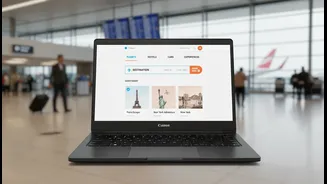
Beyond raw power, the user interface has received a much-needed facelift. The redesigned website is cleaner, with fewer distracting advertisements and pop-ups that often interrupted the booking flow. One of the most welcomed changes is the reduction in CAPTCHA verifications. These security puzzles, while necessary, were a major source of delay, and simplifying them saves precious seconds when every moment counts. The booking process itself has been streamlined, allowing users to see seat availability across all classes—like Sleeper, AC 3-Tier, and AC 2-Tier—on a single screen, eliminating the need to search each class individually.
New Features for Smarter Booking
The updated platform also introduces several passenger-friendly features that bring the IRCTC portal more in line with modern travel websites. A new 'Fare Calendar' allows travellers with flexible dates to easily compare ticket prices and find cheaper options. Perhaps more importantly for those who are particular about their journey, the site now allows for preferred seat selection during the booking process, rather than relying on automatic allocation. The platform has also been made more accessible with the inclusion of multilingual support, catering to users across India. These features not only improve the general booking experience but also help in making quicker, more informed decisions.
Will This Finally Solve the Tatkal Problem?
While the upgrades are substantial and address many long-standing grievances, it is important to manage expectations. The fundamental challenge of Tatkal remains: demand far outstrips the limited supply of tickets on popular routes. The new website does not create more seats, but it does aim to make the race to book them fairer and less prone to technical failure. By increasing server capacity and streamlining the user journey, the platform gives every user a better chance of completing their transaction without being foiled by a crash or a lagging interface. The hassle may be reduced, but the competition will remain intense. The 'could' in the headline is key; the new system provides better tools, but the high demand for Tatkal tickets is a constant.